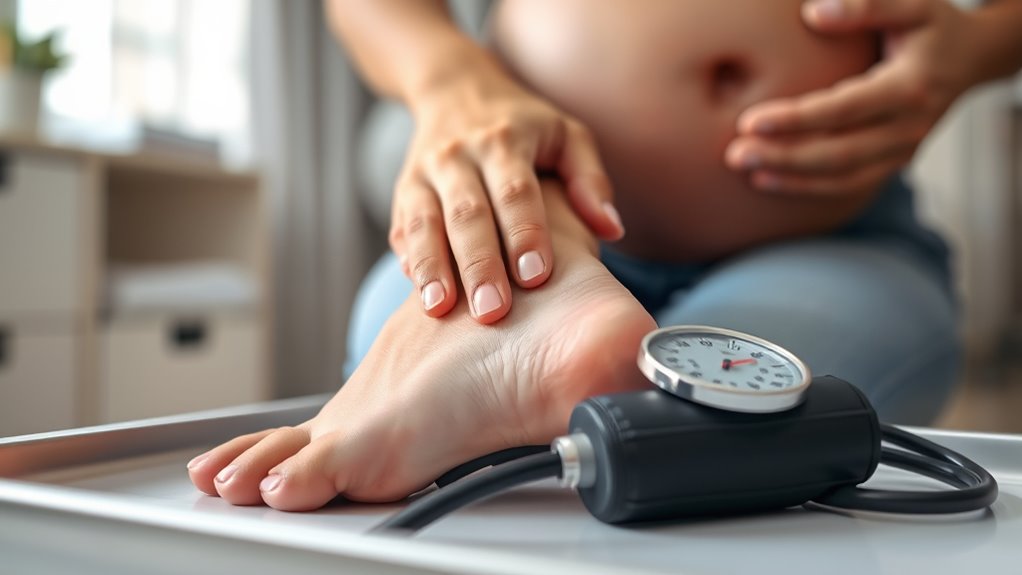

If you notice high or suddenly spiking blood pressure, severe headaches, swelling in your face, hands, or feet, or sudden vision changes, you should contact your doctor immediately. Other warning signs include upper right abdominal pain, nausea, or vomiting. These symptoms can signal preeclampsia, which develops quickly and can be dangerous. Staying alert to these signs is essential—continue with us to learn more about protecting yourself and your baby.
Key Takeaways
- Monitor blood pressure regularly; persistent high or spiking readings require medical attention.
- Seek urgent care if experiencing severe, unrelieved headaches or visual changes like spots or blurriness.
- Watch for sudden or excessive swelling in the face, hands, or feet, especially with other symptoms.
- Be alert to upper right abdominal pain, nausea, or vomiting, which may indicate worsening preeclampsia.
- Contact your healthcare provider promptly if you notice any warning signs to ensure timely diagnosis and management.

Preeclampsia is a serious pregnancy complication that requires early detection to protect both your health and your baby’s. One of the key warning signs to watch for is blood pressure changes. During pregnancy, your blood pressure naturally fluctuates, but if it becomes consistently high or suddenly spikes, it could signal preeclampsia. Regular prenatal visits include blood pressure checks, so it’s imperative to attend all appointments and report any noticeable increases. Elevated blood pressure can damage your organs and restrict blood flow to your baby, making timely intervention essential.
Monitoring blood pressure is vital for early preeclampsia detection and safeguarding your pregnancy.
Another common symptom you shouldn’t ignore is severe headaches. While occasional headaches can happen during pregnancy, persistent or intense headaches that don’t respond to usual remedies are worrisome. These headaches may be a sign that your blood pressure is dangerously high, which is characteristic of preeclampsia. If you experience a headache that’s different from your typical migraines or one that’s accompanied by visual disturbances, nausea, or vomiting, seek medical attention promptly. Severe headaches associated with preeclampsia can indicate increased pressure inside your head or damage to blood vessels, both of which require immediate evaluation.
Beyond blood pressure changes and headaches, other warning signs include sudden swelling in your face, hands, or feet. Although some swelling is normal during pregnancy, rapid or excessive swelling, especially when it’s painful or accompanied by headaches, can be a sign of preeclampsia. You should also be alert for changes in vision, such as seeing spots, flashes of light, or blurred vision. These symptoms may point to blood vessel issues related to the condition. Additionally, if you notice abdominal pain, particularly in the upper right side, or experience nausea and vomiting, these could be signs that preeclampsia is worsening and needs urgent attention. Recognizing that some symptoms may be linked to medical conditions like preeclampsia emphasizes the importance of timely medical evaluation.
It’s important to trust your body and communicate any new or unusual symptoms to your healthcare provider immediately. Early detection and management of preeclampsia can markedly reduce risks for both you and your baby. Don’t wait until symptoms become severe; proactive care can make all the difference. Remember, while some symptoms may seem minor, they might indicate a serious issue that requires medical intervention. Always err on the side of caution and consult your doctor if you’re uncertain about any changes you experience during pregnancy.
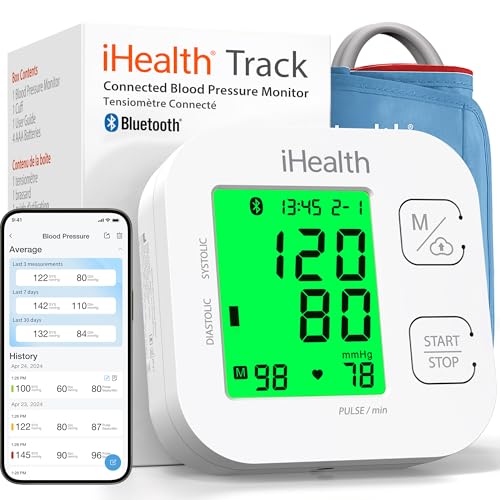
iHealth Track Smart Upper Arm Blood Pressure Monitor with Wide Range Cuff that fits Standard to Large Adult Arms, Bluetooth Compatible for iOS & Android Devices
Clinically Accurate: Easy Operation by two buttons, Advanced Accuracy, No Calibration required.
As an affiliate, we earn on qualifying purchases.
As an affiliate, we earn on qualifying purchases.
Frequently Asked Questions
Can Preeclampsia Develop Without Noticeable Symptoms?
Yes, preeclampsia can develop without noticeable symptoms, often called silent symptoms. That’s why regular risk assessments are vital, especially if you have risk factors like high blood pressure or a history of preeclampsia. Even if you feel fine, your healthcare provider monitors your blood pressure and tests your urine to catch any early signs. Staying vigilant and attending all prenatal appointments helps guarantee your health and your baby’s safety.
Are There Specific Risk Factors That Increase Preeclampsia Likelihood?
Certain risk factors increase your chances of developing preeclampsia. These include a genetic predisposition, meaning if your family has a history, you’re at higher risk. Other factors are first pregnancy, age over 35, obesity, and pre-existing health conditions like hypertension or diabetes. Being aware of these risk factors helps you stay vigilant and consult your healthcare provider early for proper monitoring and care during pregnancy.
How Early in Pregnancy Can Preeclampsia Occur?
Preeclampsia can sneak in early, sometimes as soon as 20 weeks, like a shadow creeping in unnoticed. Early detection is key, so pay attention to symptom onset, which can include high blood pressure and protein in your urine. If you notice these signs, don’t wait—early action can make all the difference. Keep regular prenatal visits to catch any issues before they grow into bigger problems.
What Are Long-Term Health Effects of Preeclampsia?
After experiencing preeclampsia, you might face long-term health effects, including increased cardiovascular risks like hypertension and heart disease. These risks can persist for years, so it’s essential to stay vigilant about your health. Regular check-ups, maintaining a healthy lifestyle, and managing blood pressure can help reduce these risks. Understanding these long-term effects encourages you to prioritize ongoing care and monitor your health closely.
Is Preeclampsia Hereditary or Genetic?
Preeclampsia can have a genetic component, meaning your genetic predisposition and hereditary factors may increase your risk. If women in your family have experienced preeclampsia, you might be more likely to develop it too. While it’s not solely determined by genetics, understanding your family history can help you and your healthcare provider monitor your health closely during pregnancy. Stay informed and communicate any concerns to reduce potential risks.

TheraICE Headache Relief Cap, Migraine Ice Pack Mask Products, Women Cooling Gel Hat, Face Cold Compress Head Wrap for Her Stress. Great Birthday Gift for Mom, Sister, Grandma, Girlfriend, & Teacher
ULTIMATE COMFORT & MIGRAINE RELIEF: Experience the soothing comfort of TheraICE Headache Hat migraine relief cap for women,…
As an affiliate, we earn on qualifying purchases.
As an affiliate, we earn on qualifying purchases.
Conclusion
So, next time your ankles swell or your headaches feel like a migraine marathon, remember, your body’s giving you a warning. It’s almost funny how something as simple as a sudden headache or vision changes can be a cry for help. Don’t ignore those signs—they might just save you and your baby from a serious surprise. After all, who knew that the biggest alarm bells come with such tiny symptoms? Stay vigilant!

Compression Socks for Plantar Fasciitis, Achilles Tendonitis, Arthritis Relief, Ankle Brace Compression Sleeve with Foot Arch Support, Ankle Wrap for Women, Men, Swelling & Heel Pain Black L-XL
Plantar Fasciitis & Ankle Pain Relief: Our ankle brace provides effective plantar fasciitis relief, reducing foot and ankle…
As an affiliate, we earn on qualifying purchases.
As an affiliate, we earn on qualifying purchases.

Clearblue Rapid Detection Pregnancy Test, Home Pregnancy Kit, 2 Count
RAPID DETECTION PREGNANCY TEST: Includes two (w) Clearblue Rapid Detection Home Pregnancy Tests that can give you a…
As an affiliate, we earn on qualifying purchases.
As an affiliate, we earn on qualifying purchases.