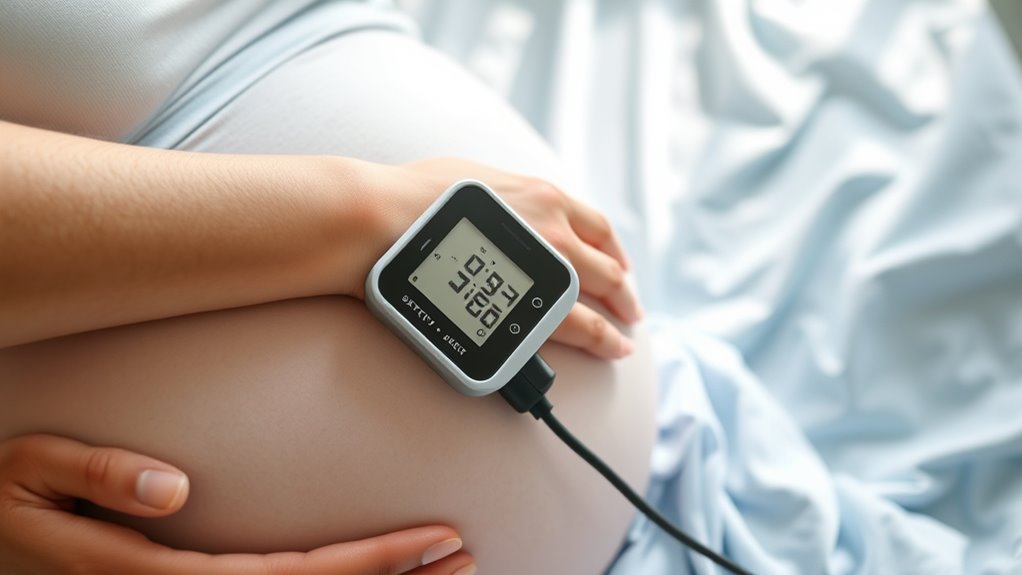

To manage hypertension and prevent preeclampsia, you should monitor your blood pressure regularly with a reliable home monitor. Make sure to measure at the same times daily, record your results, and report any elevated readings to your healthcare provider promptly. Follow a balanced diet, stay active with approved exercises, and manage stress effectively. Staying vigilant and adhering to your doctor’s advice can make a big difference—keep going to learn more about keeping yourself and your baby safe.

Turn the school run and nap time into listening time
- Thousands of audiobooks, podcasts and originals
- Listen on your phone, tablet or Echo — also offline
- Cancel anytime
Key Takeaways
- Regularly monitor blood pressure at home using a reliable device to detect early signs of hypertension or preeclampsia.
- Take consistent readings at the same times daily, recording results for healthcare review.
- Follow healthcare provider advice on lifestyle changes, diet, and medication to manage blood pressure effectively.
- Attend all prenatal appointments for professional assessments and early intervention if blood pressure issues arise.
- Recognize symptoms of preeclampsia and seek immediate medical attention if blood pressure readings are elevated or symptoms occur.
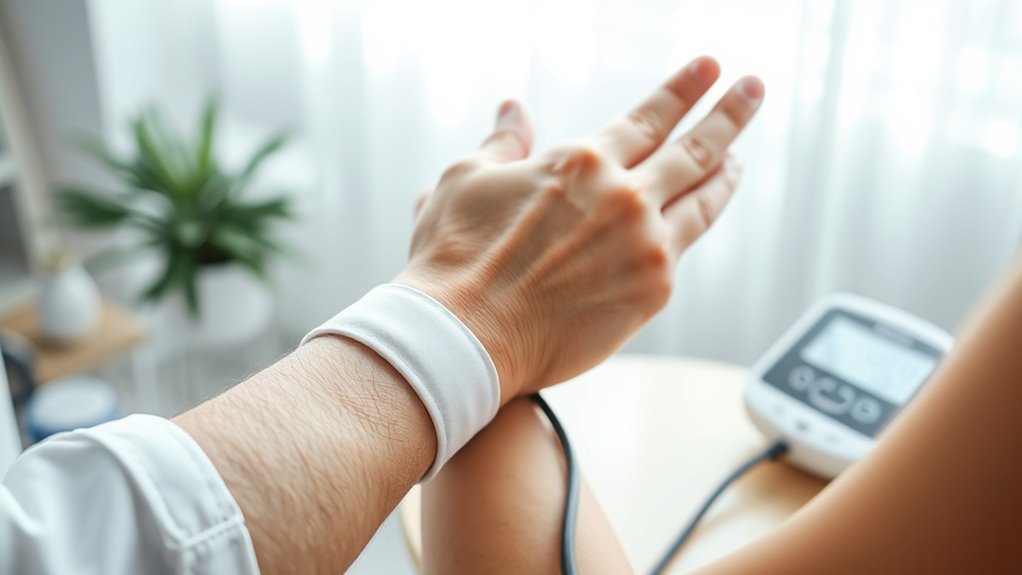
Hypertension and preeclampsia are serious health conditions that can affect pregnant women and their babies. Managing your blood pressure is essential to ensure a healthy pregnancy, so understanding how to monitor and control it should be a top priority. When it comes to blood pressure management, regularly checking your blood pressure at home and during prenatal visits helps catch any problems early. This proactive approach allows you to work closely with your healthcare provider to develop a personalized plan that keeps your blood pressure within safe limits. It’s important to remember that healthy blood pressure levels are critical for preventing complications like preeclampsia, which can lead to serious risks for both mother and child.
Monitoring blood pressure regularly is essential for a healthy pregnancy and preventing complications like preeclampsia.
To effectively monitor your blood pressure, you should invest in a reliable home monitor and learn how to use it correctly. Take your readings at the same times each day, preferably in the morning and evening, and record the results to share with your healthcare team. Consistent monitoring not only reassures you but also provides valuable data that can signal when your blood pressure is rising or becoming unstable. If you notice elevated readings, don’t ignore them—reach out to your doctor promptly. Early detection means your healthcare provider can intervene sooner, whether through medication adjustments or additional tests, to prevent the progression of preeclampsia.
Incorporating pregnancy health tips into your routine can notably help in maintaining ideal blood pressure levels. Focus on a balanced diet rich in fruits, vegetables, lean proteins, and whole grains. Reducing salt intake can also make a noticeable difference, as excess salt can elevate blood pressure. Staying well-hydrated and avoiding processed foods high in sodium and unhealthy fats are simple yet effective strategies. Regular, moderate exercise—like walking or prenatal yoga—can strengthen your cardiovascular health, but always consult your doctor before starting any new activity. Managing stress through relaxation techniques, such as deep breathing or meditation, can further support healthy blood pressure levels. Additionally, understanding blood pressure management is crucial in preventing preeclampsia and ensuring a safe pregnancy.
Lastly, it’s essential to attend all prenatal appointments and follow your healthcare provider’s advice diligently. They might prescribe medications if your blood pressure is too high, and you should never stop or alter your medication without medical guidance. By actively participating in your pregnancy health tips and maintaining vigilant blood pressure management, you’re taking critical steps to safeguard your health and your baby’s development. Remember, early intervention and consistent monitoring are your best tools to prevent complications associated with hypertension and preeclampsia.
digital blood pressure monitor for home use
As an affiliate, we earn on qualifying purchases.
As an affiliate, we earn on qualifying purchases.
Frequently Asked Questions
Can Hypertension Affect Future Pregnancies?
Yes, hypertension can affect your future pregnancies. It may increase the risk of complications during family planning and pregnancy, such as preeclampsia or preterm birth. Genetic factors can also play a role, making some women more prone to high blood pressure. Monitoring and managing hypertension early on helps reduce risks, so discuss your health history with your healthcare provider to plan safe pregnancies ahead.
Are There Natural Remedies to Lower Blood Pressure?
Yes, you can try natural remedies to lower blood pressure. Focus on diet modifications like reducing salt intake, eating more fruits and vegetables, and limiting processed foods. Herbal supplements such as garlic, hibiscus tea, and omega-3s might help, but consult your healthcare provider first. Combining these approaches with regular exercise and stress management can effectively support healthy blood pressure levels naturally.
How Does Stress Impact Preeclampsia Risk?
Stress is like a storm brewing inside, increasing your risk of preeclampsia. When stress levels rise, your body releases hormones that tighten blood vessels and elevate blood pressure. Prioritizing stress management and emotional health acts as a calming breeze, reducing this risk. By keeping your mind and emotions balanced, you help safeguard your pregnancy, allowing your body to stay steady amid life’s turbulence.
What Are Early Signs of Hypertension During Pregnancy?
You might notice early signs of hypertension during pregnancy through symptoms like headaches, vision changes, or swelling in your hands and face. Regular blood pressure monitoring is essential to catch these signs early. Pay attention to pregnancy symptoms such as sudden weight gain, nausea, or abdominal pain, which can indicate developing hypertension. Staying vigilant helps make certain of timely medical care and reduces risks for both you and your baby.
Is Medication Safe During Breastfeeding?
Medication safety during breastfeeding depends on the specific drug. You should always discuss your medication concerns with your healthcare provider, as they can recommend options that are safe for your baby. Many hypertension medications are compatible with breastfeeding, but some may require adjustments or monitoring. Never stop or change medication without professional guidance, and prioritize open communication to ensure both your health and your baby’s safety.
automatic upper arm blood pressure cuff
As an affiliate, we earn on qualifying purchases.
As an affiliate, we earn on qualifying purchases.
Conclusion
Remember, your blood pressure is the steady drumbeat guiding your journey. Keep it in check, like a lighthouse shining through stormy seas, to protect both you and your baby. Each healthy reading is a stepping stone, a gentle whisper of safety amid life’s uncertainties. Trust your vigilance, stay attentive, and let your care be the steady hand steering you toward calm waters. Together, you can navigate this path with strength and hope.
pregnancy blood pressure monitor
As an affiliate, we earn on qualifying purchases.
As an affiliate, we earn on qualifying purchases.
best blood pressure monitor for preeclampsia
As an affiliate, we earn on qualifying purchases.
As an affiliate, we earn on qualifying purchases.
Evergreen bestsellers Picks
bestsellers
As an affiliate, we earn on qualifying purchases.