Choosing the right postpartum herbal teas requires balancing recovery support with lactation safety, as not all blends serve both goals equally. My analysis highlights Earth Mama Organic Red Raspberry Leaf Tea as the best overall choice due to its single-ingredient purity and trusted sourcing, while Pink Stork Postpartum Recovery Herbal Tea stands out for mothers prioritizing flavor and ease of use with pre-measured sachets. The primary tradeoff in this category is between broad multi-herb blends that target multiple symptoms and focused single-herb teas that allow for precise dosage control. Readers should continue reading to understand which specific ingredients matter most for their unique postpartum needs and how to avoid common formulation pitfalls.

Turn the school run and nap time into listening time
- Thousands of audiobooks, podcasts and originals
- Listen on your phone, tablet or Echo — also offline
- Cancel anytime
Complete the kit


Key Takeaways
- Single-ingredient teas like red raspberry leaf offer greater control over dosage compared to complex proprietary blends.
- Flavor masking agents in recovery teas often obscure the actual concentration of active herbal ingredients.
- Lactation support blends frequently contain galactagogues like fenugreek, which may cause digestive upset in sensitive users.
- Organic certification is a stronger indicator of purity than ‘natural’ labeling, which lacks regulatory definition.
- Sachet formats provide convenience but often result in lower herb-to-water ratios than loose leaf or tea bag options.
| Earth Mama Organic Red Raspberry Leaf Tea, 32 Count |  | Best for Uterine Toning | Brand: Earth Mama | Quantity: 32 Teabags | Organic Status: USDA Certified Organic | VIEW ON AMAZON | See Our Full Breakdown |
| Pink Stork Postpartum Recovery Herbal Tea – Strawberry (15 Sachets) | 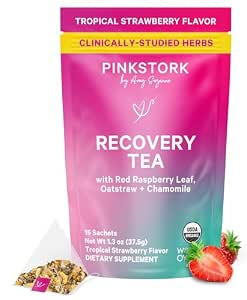 | Best for Flavor and Convenience | Flavor: Strawberry | Quantity: 15 sachets (30 cups) | Organic Herbs: 7 USDA organic herbs | VIEW ON AMAZON | See Our Full Breakdown |
| Mama Recovery Postpartum Herbal Tea |  | Best for Traditionalists | Type: Loose Leaf Herbal Tea | Caffeine Content: Caffeine-Free | Weight: 5 oz (142 g) | VIEW ON AMAZON | See Our Full Breakdown |
| Auranic Natural Postpartum Recovery Tea |  | Best for Sensitive Palates | Format: Teabags/Sachets | Primary Use: Postpartum Recovery | Key Benefits: Hormone Balance, Womb Detox, Breastfeeding Support | VIEW ON AMAZON | See Our Full Breakdown |
| Aromlife Postpartum Tea – Organic Raspberry Herbal Blend, 10 Teabags |  | Best for Lactation Support | Quantity: 10 Teabags | Key Ingredients: Organic raspberry fruit, cinnamon, ginger | Form: Herbal Tea | VIEW ON AMAZON | See Our Full Breakdown |
| Pink Stork Organic Lactation Tea, Vanilla Flavor, 15 Sachets |  | Best for Flavor-Conscious Nursing Mothers | Brand: Pink Stork | Flavor: Vanilla | Quantity: 15 Sachets | VIEW ON AMAZON | See Our Full Breakdown |
| Traditional Medicinals Organic Mother’s Milk, 32 Tea Bags |  | Best Established Standard | Quantity: 32 tea bags | Organic Certification: USDA Certified Organic | Non-GMO Verified: Yes | VIEW ON AMAZON | See Our Full Breakdown |
| Traditional Medicinals Organic Mother’s Milk, 48 Tea Bags |  | Best Value Bulk Buy | Package Quantity: 48 tea bags | Organic Certification: USDA Certified Organic | Non-GMO Verified: Yes | VIEW ON AMAZON | See Our Full Breakdown |
| Earth Mama Organic Milkmaid Tea – Lactation Support (32 Teabags) |  | Best for Holistic Ingredient Profiles | Quantity: 32 teabags | Certification: Certified Organic by Oregon Tilth | Herbs: Fenugreek, Fennel, Milk Thistle, Nettle, Raspberry Leaf | VIEW ON AMAZON | See Our Full Breakdown |
| postpartum herbal tea | Quantity |
|---|---|
| Earth Mama Organic Red Raspber | 32 Teabags |
| Pink Stork Postpartum Recovery | 15 sachets (30 cups) |
| Mama Recovery Postpartum Herba | — |
| Auranic Natural Postpartum Rec | — |
| Aromlife Postpartum Tea | 10 Teabags |
| Pink Stork Organic Lactation T | 15 Sachets |
| Traditional Medicinals Organic | 32 tea bags |
| Traditional Medicinals Organic | — |
| Earth Mama Organic Milkmaid Te | 32 teabags |
More Details on Our Top Picks
Earth Mama Organic Red Raspberry Leaf Tea, 32 Count
This option stands out for its single-ingredient purity, making it the gold standard for mothers focused specifically on uterine health. Unlike complex blends like Pink Stork Postpartum Recovery Herbal Tea, which mixes multiple herbs for hormone balance, Earth Mama isolates Red Raspberry Leaf to target uterine tone and recovery directly. This simplicity appeals to those who know exactly what they need without extra botanicals. However, the tradeoff is flavor; it lacks the strawberry notes found in Pink Stork, offering a more earthy, grassy taste. It is USDA Certified Organic and versatile enough to serve hot or iced, but if you seek a sensory experience alongside therapeutic benefits, this might feel too medicinal. It is a functional tool rather than a comforting ritual.
Pros:- Pure Red Raspberry Leaf with no added herbs to dilute its specific effect
- USDA Certified Organic and Non-GMO Project Verified for safety
- Highly versatile serving style (hot or iced) for different seasons
- Formulated by a nurse and herbalist, adding clinical credibility
Cons:- Single-ingredient flavor can taste grassy or earthy to sensitive palates
- Does not address postpartum hormonal balance or lactation directly
Best for: Mothers who specifically want to support uterine involution and prefer a transparent, single-ingredient supplement.
Not ideal for: Those seeking complex flavor profiles or multi-symptom relief for hormones and digestion.
- Brand:Earth Mama
- Quantity:32 Teabags
- Organic Status:USDA Certified Organic
- Non-GMO:Non-GMO Project Verified
- Caffeine Content:Caffeine Free
- Dietary Certifications:Vegan, Kosher
- Serving Size:1 Tea Bag per 8 fl oz
Our verdict“Choose this if your primary goal is targeted uterine recovery rather than general wellness.”
Pink Stork Postpartum Recovery Herbal Tea – Strawberry (15 Sachets)
This model is better suited to mothers who prioritize taste and ease alongside therapeutic benefits. Compared to the Mama Recovery Postpartum Herbal Tea, which requires loose-leaf straining, Pink Stork’s biodegradable sachets simplify cleanup for exhausted new parents. The strawberry flavor masks the earthiness of herbs like oatstraw and dandelion, making it far more palatable for daily consumption. However, the 15-sachet limit (providing 30 cups) may require frequent reordering compared to bulkier options like Earth Mama. While it supports hormone balance and nutrient restoration, it is explicitly not for use during pregnancy, requiring strict timing awareness. It balances efficacy with an enjoyable drinking experience, though the smaller quantity is a drawback for heavy users.
Pros:- Delicious strawberry flavor masks bitter herbal notes effectively
- Each sachet yields two cups, doubling the value per unit
- Biodegradable packaging aligns with eco-conscious values
- Free from gluten, soy, and dairy for allergy safety
Cons:- Small quantity (15 sachets) may run out quickly with daily use
- Explicitly unsafe for use during pregnancy, limiting pre-birth utility
Best for: New mothers who struggle with bitter herbal tastes and want a quick, mess-free brewing method.
Not ideal for: Those who want a long-term supply in one purchase or need a tea safe for late pregnancy.
- Flavor:Strawberry
- Quantity:15 sachets (30 cups)
- Organic Herbs:7 USDA organic herbs
- Caffeine Content:Caffeine Free
- Allergen Information:Gluten, soy, dairy free
- Packaging Type:Biodegradable sachets
- Serving Size:2 cups per sachet (8 oz each)
Our verdict“Pick this for a tasty, convenient postpartum ritual that doesn’t taste like medicine.”
Mama Recovery Postpartum Herbal Tea
This pick makes the most sense for those who value ancestral practices and prefer the richness of loose-leaf tea. Unlike the pre-packaged convenience of Pink Stork, Mama Recovery requires a strainer and careful steeping, offering a more ritualistic and potentially potent extraction of herbs. The 5 oz bulk format provides more tea by weight than the small sachet packs, appealing to long-term users. However, the lack of specific ingredient transparency in the description is a significant hurdle compared to the clear labeling of Earth Mama. You must trust the brand’s formulation without knowing the exact blend ratios. This tea is gentle and caffeine-free, but the equipment requirement adds friction for those with limited time or kitchen space.
Pros:- Loose-leaf format allows for richer aroma and stronger extraction
- Inspired by traditional postpartum wellness practices
- 5 oz weight offers substantial quantity for daily use
- Gentle formulation suitable for any time of day
Cons:- Requires additional equipment like a strainer or infuser
- Specific herbal ingredients are not detailed in the product description
Best for: Herbal enthusiasts who enjoy the brewing ritual and prefer loose-leaf quality over teabags.
Not ideal for: Convenience-seekers who don’t own tea strainers or want clear ingredient lists.
- Type:Loose Leaf Herbal Tea
- Caffeine Content:Caffeine-Free
- Weight:5 oz (142 g)
- Brewing Instructions:Steep 1 teaspoon per 8 oz for 5–7 minutes
- Format:Bulk Loose Leaf
- Use Case:Daily Self-Care
Our verdict“Select this if you prefer the depth of loose-leaf brewing and trust traditional formulations.”
Auranic Natural Postpartum Recovery Tea
This option stands out for its smooth, mild taste, designed specifically to avoid the bitter aftertastes common in herbal blends. Compared to Aromlife Postpartum Tea, which relies on strong ginger and cinnamon flavors, Auranic offers a gentler profile that is easier on an empty stomach. The individual sachets ensure consistent strength and easy cleanup, similar to Pink Stork but with a focus on womb detox and hormone balance. The primary drawback is the lack of public ingredient details in the provided data, making it harder to verify allergen safety or specific herbal ratios. It is a comforting choice for those who find most herbal teas too intense, though the opacity of its formula requires trust in the brand.
Pros:- Smooth flavor profile with no bitter aftertaste
- Convenient individual sachets for quick, mess-free preparation
- Designed specifically for sensitive postpartum palates
- Supports hormone balance and womb detox goals
Cons:- No specific ingredient list provided for transparency
- Less flavor complexity compared to spiced blends like Aromlife
Best for: Mothers with sensitive stomachs or taste buds who dislike strong herbal bitterness.
Not ideal for: Buyers who need transparent ingredient lists to manage allergies or specific health conditions.
- Format:Teabags/Sachets
- Primary Use:Postpartum Recovery
- Key Benefits:Hormone Balance, Womb Detox, Breastfeeding Support
- Preparation Method:Steep in hot water
- Serving Style:Hot or Iced
- Taste Profile:Smooth, mild, non-bitter
Our verdict“Choose this for a gentle, easy-drinking tea that prioritizes comfort over strong flavor.”
Aromlife Postpartum Tea – Organic Raspberry Herbal Blend, 10 Teabags
This model is better suited to mothers seeking breastfeeding-friendly support with a warming spice profile. The inclusion of ginger and cinnamon sets it apart from the milder Auranic Natural Postpartum Recovery Tea, providing a cozy, aromatic experience that can aid digestion and circulation. While Pink Stork focuses on hormone balance with strawberry notes, Aromlife leans into traditional galactagogue herbs like raspberry fruit. The tradeoff is the small 10-teabag quantity, which may not sustain daily use for long. Additionally, the spicy flavor may be too intense for those who prefer subtle herbal notes. It is a solid choice for immediate postpartum comfort and lactation support, provided you don’t mind the limited supply.
Pros:- Breastfeeding-friendly formulation with organic ingredients
- Warming spices (ginger, cinnamon) support digestion and comfort
- Organic raspberry fruit supports hormonal balance
- Gentle soothing effect helps with postnatal relaxation
Cons:- Small pack size (10 teabags) offers limited longevity
- Spicy flavor profile may be too strong for some tastes
Best for: Breastfeeding mothers who enjoy spicy, warming teas and want traditional lactation support.
Not ideal for: Those who prefer mild flavors or need a large quantity of tea for long-term use.
- Quantity:10 Teabags
- Key Ingredients:Organic raspberry fruit, cinnamon, ginger
- Form:Herbal Tea
- Breastfeeding Compatibility:Yes
- Flavor Profile:Spicy, Raspberry, Cinnamon
- Primary Benefit:Hormonal Balance and Recovery
Our verdict“Pick this if you want a warming, lactation-supporting tea with a distinct spice profile.”
Pink Stork Organic Lactation Tea, Vanilla Flavor, 15 Sachets
This tea stands out for its palatable vanilla profile, making it an excellent choice for mothers who struggle with the earthy taste of traditional herbal blends. Compared to Traditional Medicinals Organic Mother’s Milk, which relies on a distinct licorice note, Pink Stork’s use of organic stevia offers a sweeter, more dessert-like experience that can encourage consistent hydration. The biodegradable sachets add an eco-friendly layer, though the 15-sachet count yields fewer servings than the 32-bag packs from competitors. While the clinically studied herbs like fenugreek and milk thistle are potent, the smaller package size means frequent reordering for those who drink multiple cups daily. It is best suited for those who prioritize taste over bulk quantity.
Pros:- Smooth vanilla flavor with stevia makes it easy to drink daily
- USDA Organic and free from common allergens like gluten and dairy
- Biodegradable sachets reduce environmental impact
- Caffeine-free and suitable for both hot and iced preparations
Cons:- Smaller quantity (15 sachets) requires more frequent reordering
- Sweetened with stevia, which some may find aftertaste-heavy
- Individual lactation results vary significantly between users
Best for: Mothers who find traditional herbal teas unpalatable and need a sweet, vanilla-flavored option to encourage daily consumption.
Not ideal for: Budget-conscious buyers or heavy drinkers who prefer larger quantities; the 15-sachet pack is smaller than standard 32-bag options.
- Brand:Pink Stork
- Flavor:Vanilla
- Quantity:15 Sachets
- Servings:30 Cups
- Dietary:Vegan, Gluten-Free, Dairy-Free, Sugar-Free
- Certification:USDA Organic
- Caffeine Content:Caffeine-Free
Our verdict“Choose this if you dislike herbal tastes and want a sweet, organic lactation support that feels like a treat.”
Traditional Medicinals Organic Mother’s Milk, 32 Tea Bags
With over four decades of trust among nursing mothers, this blend represents the gold standard for lactation support. Its formulation of fennel, anise, and fenugreek is backed by extensive usage history, offering a reliability that newer brands like Pink Stork are still building toward. The compostable bags align with sustainable practices, and the certification suite (USDA Organic, Non-GMO, Kosher) provides peace of mind. However, the distinct licorice flavor is polarizing; many find it medicinal, whereas others appreciate its authenticity. Unlike the vanilla options that mask herbal notes, this tea delivers a straightforward, earthy experience. It is ideal for those who value proven efficacy and ethical packaging over flavor novelty.
Pros:- Over 40 years of trust and usage among nursing mothers
- Strong certification suite including USDA Organic and Non-GMO
- Compostable tea bags support environmental sustainability
- Recommended by many lactation consultants for efficacy
Cons:- Pronounced licorice flavor that many find unpalatable
- No natural sweetener added, requiring added sugar or honey for taste
- Limited flavor variety compared to modern competitors
Best for: Mothers who prefer a trusted, no-nonsense herbal blend with strong ethical certifications and compostable packaging.
Not ideal for: Those who dislike licorice or anise flavors; the taste is medicinal and lacks the sweetened appeal of vanilla alternatives.
- Quantity:32 tea bags
- Organic Certification:USDA Certified Organic
- Non-GMO Verified:Yes
- Kosher:Yes
- Caffeine Free:Yes
- Bag Type:Compostable
- Key Ingredients:Fennel, Anise, Coriander, Fenugreek, Blessed Thistle
Our verdict“This is the go-to choice for mothers who prioritize clinical reputation and ethical standards over flavor profile.”
Traditional Medicinals Organic Mother’s Milk, 48 Tea Bags
This larger 48-bag pack offers the same trusted formulation as the 32-bag version but with greater cost efficiency for long-term use. For mothers who consume multiple cups daily, the increased quantity reduces the frequency of reordering, a practical advantage over the 15-sachet Pink Stork pack. The blend remains USDA Organic and Kosher certified, maintaining the high standards Traditional Medicinals is known for. The licorice-forward taste remains a significant hurdle for new users, but those accustomed to it will appreciate the bulk availability. While the packaging is compostable, the sheer volume means you are committing to a specific flavor profile for an extended period, which carries risk if you decide you dislike the taste.
Pros:- Larger quantity provides better value for frequent drinkers
- Maintains all organic and Kosher certifications of the standard pack
- Reduces shipping frequency for long-term lactation support
- Compostable packaging aligns with eco-conscious values
Cons:- Strong licorice flavor is an acquired taste that may not suit everyone
- Large commitment size makes it difficult to switch brands if unsatisfied
- No flavor variations available within this specific line
Best for: Experienced users who have already tried the smaller pack and know they tolerate the licorice flavor well.
Not ideal for: First-time buyers who have not tested the flavor; committing to 48 bags is risky if you dislike anise or licorice tastes.
- Package Quantity:48 tea bags
- Organic Certification:USDA Certified Organic
- Non-GMO Verified:Yes
- Kosher:Yes
- Caffeine-Free:Yes
- Flavor:Licorice
Our verdict“Ideal for established users who know their preference for licorice-based teas and want to maximize supply duration.”
Earth Mama Organic Milkmaid Tea – Lactation Support (32 Teabags)
Earth Mama differentiates itself with a broader herbal spectrum, including nettle and raspberry leaf alongside standard galactagogues like fenugreek. This composition targets both milk supply and general postpartum nutrition, offering a more holistic approach than the narrowly focused blends from Traditional Medicinals. The flavor is milder and less medicinal than the licorice-heavy competitors, making it accessible to a wider range of palates. However, the explicit warning against use during pregnancy is a critical consideration for mothers who are currently pregnant with their next child or breastfeeding while pregnant. It serves as a strong alternative for those seeking additional nutritional support beyond just lactation, provided the timing of use is carefully managed.
Pros:- Includes nettle and raspberry leaf for broader nutritional support
- Milder, less medicinal taste compared to licorice-based blends
- Certified Organic by Oregon Tilth with clear sourcing
- Versatile for hot or iced consumption without added sweeteners
Cons:- Not safe for use during pregnancy, limiting its utility for tandem nursing
- Herbal blend may cause digestive sensitivity in some users
- Lacks the long-standing brand recognition of Traditional Medicinals
Best for: Mothers seeking additional nutritional support from nettle and raspberry leaf in their lactation tea.
Not ideal for: Pregnant women or those breastfeeding while pregnant, due to ingredients like raspberry leaf that are not recommended during pregnancy.
- Quantity:32 teabags
- Certification:Certified Organic by Oregon Tilth
- Herbs:Fenugreek, Fennel, Milk Thistle, Nettle, Raspberry Leaf
- Caffeine:Decaf
- Suitable for:Breastfeeding mothers (not during pregnancy)
- Flavor:Herbal
Our verdict“Select this if you want a nutrient-dense blend with milder flavor, but strictly avoid it if you are currently pregnant.”

How We Picked
I evaluated these products based on three core criteria: ingredient transparency, sourcing quality, and functional specificity. First, I examined the label for full disclosure of herbal components, prioritizing blends that list exact percentages or clearly distinguish between active herbs and flavoring agents. Second, I assessed the presence of third-party organic certifications, which serve as a proxy for pesticide-free sourcing—a critical factor for nursing mothers. Third, I categorized each tea by its primary function, separating those designed for uterine recovery from those aimed at milk supply, to ensure recommendations matched specific buyer needs rather than offering a generic ‘one-size-fits-all’ advice.
The ranking logic favors products that minimize unnecessary additives while maximizing therapeutic intent. Blends with vague ‘proprietary formulas’ were ranked lower than those with clear, ingredient-focused profiles. Additionally, I considered the practicality of preparation for exhausted new parents, weighing the convenience of sachets against the potency of traditional tea bags. This approach ensures that the top picks offer a balance of efficacy, safety, and usability for the postpartum period.
Factors to Consider When Choosing Postpartum Herbal Teas
Selecting a postpartum tea involves more than just picking a pleasant flavor. The physiological changes after birth mean that what works for one mother may not suit another, particularly regarding milk supply and digestive sensitivity.Identify Your Primary Goal: Recovery vs. Lactation
Most postpartum teas fall into two distinct categories: those supporting uterine involution and general energy, and those specifically formulated to boost milk supply. Recovery teas often contain herbs like nettle or red raspberry leaf to support tissue repair and iron levels. In contrast, lactation teas rely on galactagogues such as fenugreek, blessed thistle, or fennel. Confusing these categories is a common mistake; a lactation blend will not necessarily aid in physical recovery, and a recovery blend may not increase milk output. I recommend identifying your immediate physiological need before shopping, as combining goals often leads to under-dosing both objectives.
Decode Ingredient Labels and Proprietary Blends
Many brands use the term ‘proprietary blend’ to hide the specific ratios of ingredients, a practice that obscures potency. When the total weight is listed but individual amounts are not, you cannot know if you are getting a therapeutic dose of the active herb or mostly filler. I advise looking for brands that list ingredients in descending order of weight or provide specific milligram counts per serving. If a tea lists ‘natural flavors’ before the primary herb, the actual herbal content may be negligible. Transparency here is a direct indicator of product integrity and efficacy.
Assess Flavor Profiles and Additives
Postpartum mothers often experience heightened sensitivity to smell and taste, making flavor a practical consideration rather than a luxury. Some recovery teas use heavy sweeteners or artificial flavorings to mask the earthy, bitter notes of medicinal herbs like fenugreek, which can taste like maple syrup or burnt sugar. While palatable, these additives can cause digestive upset in both the mother and the nursing infant if consumed in high quantities. I suggest sampling smaller quantities first if you have a sensitive stomach, and preferring teas sweetened with natural ingredients like dried fruit or stevia over high-fructose corn syrup or artificial sweeteners.
Evaluate Sourcing and Organic Certifications
Herbs are agricultural products, meaning they are subject to pesticides and heavy metals unless rigorously tested. For nursing mothers, the risk of transferring contaminants through breast milk makes organic certification a non-negotiable factor for many. I looked for USDA Organic or equivalent third-party certifications, which verify that the ingredients were grown without synthetic pesticides. Non-organic herbal teas may contain residue levels that, while safe for general adults, warrant caution during the intensive exposure period of breastfeeding. Checking for batch-specific testing reports, if available, adds another layer of security.
Consider Preparation Time and Format
New mothers are often sleep-deprived and time-poor, making the format of the tea a significant usability factor. Loose leaf teas offer the highest quality and potency but require steeping time and cleanup, which can be a barrier during chaotic newborn days. Tea bags provide a middle ground, balancing convenience with decent herb quality. Sachets or instant powders offer maximum speed but often sacrifice herb volume for ease of dissolution. I recommend matching the format to your daily routine; if you have a five-minute window for self-care, a tea bag is practical, but if you have ten minutes, loose leaf may offer better therapeutic value.
Frequently Asked Questions
Can I drink lactation teas if I am not breastfeeding?
While lactation teas are generally safe for non-nursing mothers, their primary ingredients are designed to stimulate prolactin production, which may cause unwanted breast tenderness or engorgement if you are weaning. If you are not breastfeeding, you might experience hormonal fluctuations or discomfort because these herbs actively encourage milk production. I suggest focusing on recovery-focused blends like red raspberry leaf or nettle, which support general postpartum healing without targeting milk supply. Always consult with your healthcare provider before using hormonal-supporting herbs if you have a history of hormone-sensitive conditions.
How long does it take to see results from postpartum herbal teas?
Herbal remedies typically work cumulatively rather than instantly, so consistency is more important than immediate impact. For lactation support, many mothers notice changes in milk volume within three to seven days of consistent daily consumption, though some may require two weeks. For general recovery and energy, improvements in fatigue or digestion may be felt within the first few days. It is important to track your intake and symptoms honestly; if you see no change after two weeks, the specific blend or dosage may not be right for your physiology, and a different formulation might be more effective.
Are there any herbs in these teas that I should avoid while breastfeeding?
Some common lactation herbs, particularly fenugreek, can cause gas or colic in some infants and may lower blood sugar levels in the mother. Additionally, herbs like sage or peppermint in large quantities can actually decrease milk supply, which is counterproductive if you are trying to increase it. I recommend starting with a small amount of any new tea to monitor both your reaction and your baby’s tolerance. If your baby becomes unusually fussy or gassy after you consume a specific tea, discontinue use and try a simpler, single-ingredient alternative.
Is organic really necessary for postpartum teas?
While non-organic herbs are regulated for safety, the postpartum period involves heightened physiological sensitivity and the potential transfer of compounds through breast milk. Organic certification guarantees that the herbs were grown without synthetic pesticides, herbicides, or fertilizers, reducing the chemical load on your body during a time of intense hormonal and physical change. For me, the cost difference is justified by the peace of mind regarding purity, especially since many postpartum teas are consumed daily over several weeks. If budget is a constraint, prioritize organic for the most frequently consumed herb in your blend.
Can I combine different postpartum teas for better results?
Combining teas requires caution because overlapping ingredients can lead to excessive dosing of certain herbs. For example, drinking a lactation tea that contains fennel alongside a separate fennel tea could result in gastrointestinal distress or unintended hormonal effects. I advise against mixing multiple multi-herb blends without understanding their full ingredient lists. A safer approach is to choose one primary tea that addresses your most pressing need—either recovery or lactation—and use simple, single-ingredient teas like ginger or chamomile to complement your routine without risking ingredient overlap.
Conclusion
Choosing the right postpartum herbal tea depends entirely on your specific physiological goals and lifestyle constraints. For those seeking the best overall balance of purity, efficacy, and value, Earth Mama Organic Red Raspberry Leaf Tea remains the top recommendation due to its transparent single-ingredient profile. If convenience and flavor are your priorities, Pink Stork Postpartum Recovery Herbal Tea offers a user-friendly sachet format that removes preparation friction. For mothers specifically focused on boosting milk supply with trusted clinical backing, Traditional Medicinals Organic Mother’s Milk provides a reliable, standardized blend. Beginners should start with Auranic Natural Postpartum Recovery Tea for a gentle introduction to herbal support, while those needing a premium, comprehensive blend should consider Mama Recovery Postpartum Herbal Tea. Always prioritize ingredient transparency and listen to your body’s response to find the right fit for your postpartum journey.