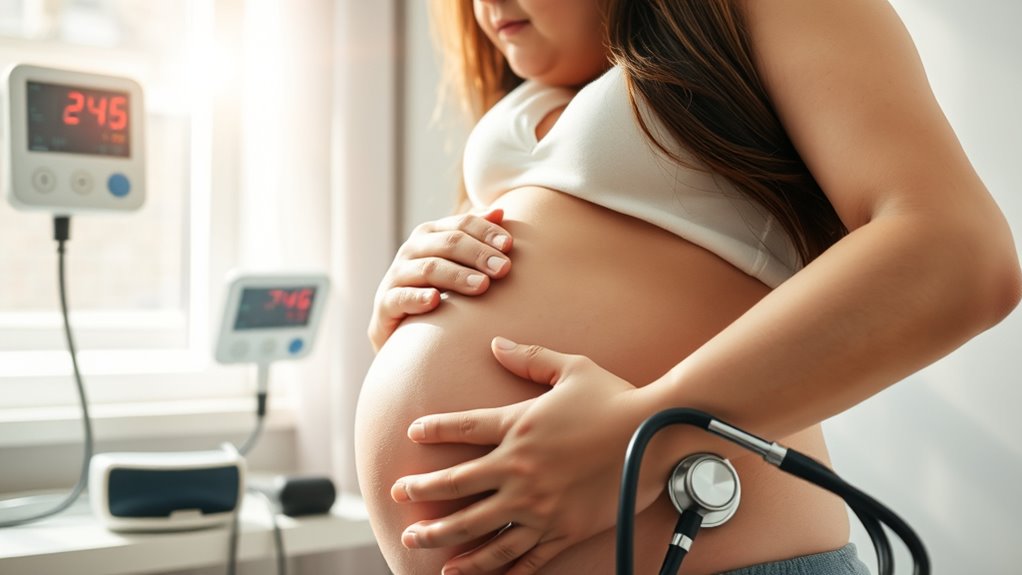

Gestational hypertension affects about 6% of expectant mothers and can arise after the 20th week of pregnancy. It’s crucial to monitor your blood pressure, as high readings can lead to serious complications, including placental abruption and fetal distress. Managing the condition often involves lifestyle changes and possible medication. Regular check-ups are essential to prevent progression to preeclampsia. To better understand the risks and care needed for gestational hypertension, you may want to explore further information.

Turn the school run and nap time into listening time
- Thousands of audiobooks, podcasts and originals
- Listen on your phone, tablet or Echo — also offline
- Cancel anytime
Key Takeaways
- Gestational hypertension arises after the 20th week of pregnancy and is marked by blood pressure readings of 140/90 mmHg or higher.
- Risk factors include obesity, diabetes, kidney issues, first-time pregnancies, multiple fetuses, age over 35, and family history.
- Symptoms may include high blood pressure, swelling, sudden weight gain, and visual disturbances.
- Management involves regular monitoring, lifestyle changes, antihypertensive medications, and possibly corticosteroids for fetal development.
- Untreated gestational hypertension can lead to serious complications, including placental abruption and fetal growth issues.

Gestational hypertension, which typically develops after the 20th week of pregnancy, affects about 6% of expectant mothers. This condition is defined by high blood pressure that arises during pregnancy and is different from chronic hypertension, which exists before pregnancy. While gestational hypertension usually resolves after childbirth, it can escalate to more serious complications like preeclampsia if not managed properly.
The exact cause of gestational hypertension remains unclear. However, certain risk factors increase your chances of developing it. If you’re obese, have diabetes, or have a history of kidney disease or hypertension, you’re at a higher risk. First-time pregnancies, multiple fetuses, and being over 35 years old also contribute to the likelihood of developing this condition. Additionally, a family history of gestational hypertension or autoimmune diseases like lupus can further elevate your risk. Women of color should also be aware that they face a higher risk.
Symptoms of gestational hypertension can include high blood pressure readings, swelling (edema), sudden weight gain, and visual disturbances. To diagnose this condition, your healthcare provider will monitor your blood pressure, looking for readings of 140/90 mmHg or higher after 20 weeks of gestation. They may also conduct urine tests to check for proteinuria, which helps rule out preeclampsia. It’s essential to remember that some women may not experience any symptoms despite having elevated blood pressure.
If left untreated, gestational hypertension can lead to serious complications such as placental abruption and fetal distress. High blood pressure can hinder blood flow to the placenta, impacting fetal growth. In severe cases, early delivery might be necessary to protect both you and your baby. Untreated severe hypertension poses risks of eclampsia and other severe outcomes, along with long-term issues like heart problems and kidney disease.
Management of gestational hypertension includes regular blood pressure monitoring, possibly at home, alongside lifestyle adjustments like reducing sodium intake. Your healthcare provider may prescribe antihypertensive medications to help manage your blood pressure. In cases where early delivery is anticipated, corticosteroids may be administered to promote fetal lung development.
Close surveillance is critical to prevent the condition from progressing to preeclampsia, ensuring that both you and your baby remain safe throughout the pregnancy.
home blood pressure monitor for pregnancy
As an affiliate, we earn on qualifying purchases.
As an affiliate, we earn on qualifying purchases.
Frequently Asked Questions
Can Gestational Hypertension Affect the Baby’s Growth and Development?
Yes, gestational hypertension can affect your baby’s growth and development, especially if it progresses to severe hypertension.
This condition may lead to intrauterine growth restriction, where the placenta doesn’t supply enough nutrients.
While gestational hypertension alone doesn’t significantly increase the risk of low birth weight, monitoring fetal growth is vital.
Regular prenatal check-ups help you detect any potential issues early, ensuring better outcomes for your baby’s health.
What Are the Long-Term Effects of Gestational Hypertension on Mothers?
Gestational hypertension can lead to significant long-term effects on your health.
You might face an increased risk of developing chronic hypertension and cardiovascular diseases, especially in the years following childbirth.
Additionally, there’s a chance of experiencing kidney issues and other organ-related complications.
Being proactive about your health, such as regular check-ups and lifestyle changes, can help mitigate these risks and promote better long-term well-being.
It’s essential to stay informed and seek ongoing care.
Is Gestational Hypertension Hereditary or Genetic?
You might think gestational hypertension is just a random twist of fate, but it’s much more complex!
Research shows it can run in families, hinting at a hereditary link. Certain genes play a significant role, influencing blood pressure and placental development.
If you’ve got a family history of hypertension, your risk could be higher.
How Does Diet Influence Gestational Hypertension Management?
Diet plays a crucial role in managing gestational hypertension. By incorporating nutrient-rich foods, you’re likely to lower blood pressure and reduce risks.
Following a DASH or plant-based diet can significantly benefit your health during pregnancy. Focus on increasing fiber and whole grains while minimizing saturated fats.
Including n-3 fatty acids is also important. Overall, a well-balanced diet helps you maintain better health and potentially improve pregnancy outcomes.
Are There Specific Exercises Recommended for Those With Gestational Hypertension?
Think of your body as a garden; nurturing it with the right exercises can help it flourish.
For managing gestational hypertension, low-impact activities like brisk walking, swimming, or yoga are your best friends. These exercises gently lift your spirit and keep your body active without strain.
Aim for 30-60 minutes, a few times a week, and remember to consult your healthcare provider. Your garden deserves the care that promotes health and vitality!
gestational hypertension blood pressure cuff
As an affiliate, we earn on qualifying purchases.
As an affiliate, we earn on qualifying purchases.
Conclusion
In summary, managing gestational hypertension is crucial for both you and your baby’s health. By staying informed and working closely with your healthcare provider, you can navigate this condition effectively. Remember, every cloud has a silver lining—recognizing the signs and taking proactive steps can lead to a healthier pregnancy. Don’t hesitate to ask questions and seek support; with the right care, you can ensure a smoother journey into motherhood.
maternity blood pressure monitor
As an affiliate, we earn on qualifying purchases.
As an affiliate, we earn on qualifying purchases.
pregnancy health tracking device
As an affiliate, we earn on qualifying purchases.
As an affiliate, we earn on qualifying purchases.
Halloween Picks
halloween
As an affiliate, we earn on qualifying purchases.