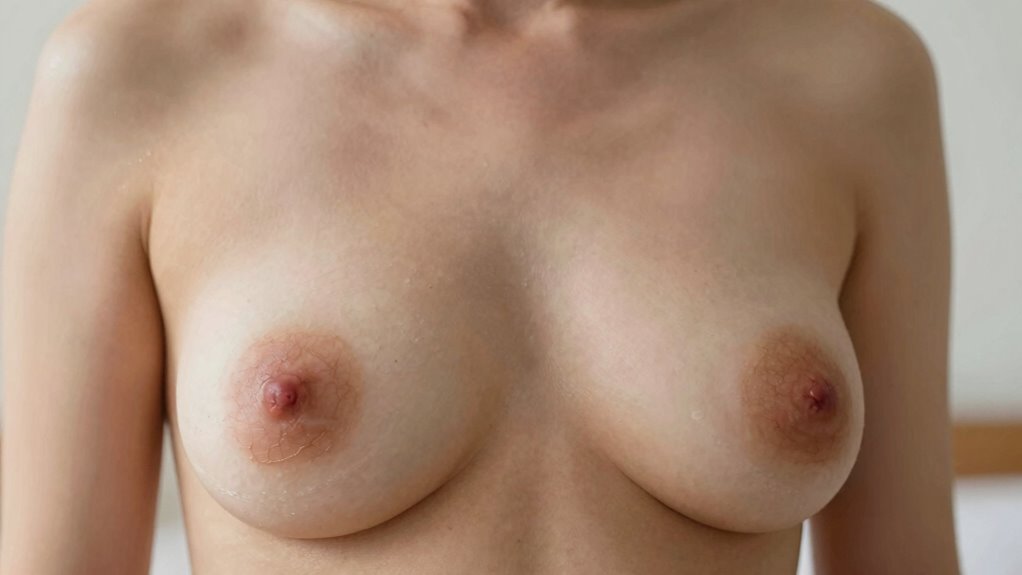

If you notice sudden pain, swelling, redness, or tender areas on your breast, don’t wait to seek help. Symptoms like warmth, flu-like feelings, or worsening discomfort signal that an infection may be developing. Early action, including prompt medical advice and proper breastfeeding, can prevent serious complications. Recognizing these signs early is key—stay alert and keep learning what to watch for to protect your health.

Turn the school run and nap time into listening time
- Thousands of audiobooks, podcasts and originals
- Listen on your phone, tablet or Echo — also offline
- Cancel anytime
Key Takeaways
- Watch for sudden breast pain, swelling, redness, or skin rash indicating potential mastitis.
- Be alert to flu-like symptoms such as fever, chills, and fatigue, which suggest infection severity.
- Seek medical help promptly if pain worsens or if there’s persistent warmth or tenderness in the breast.
- Early intervention with antibiotics and continued breastfeeding can prevent complications.
- Regular breast emptying and good hygiene help reduce recurrence and support recovery.
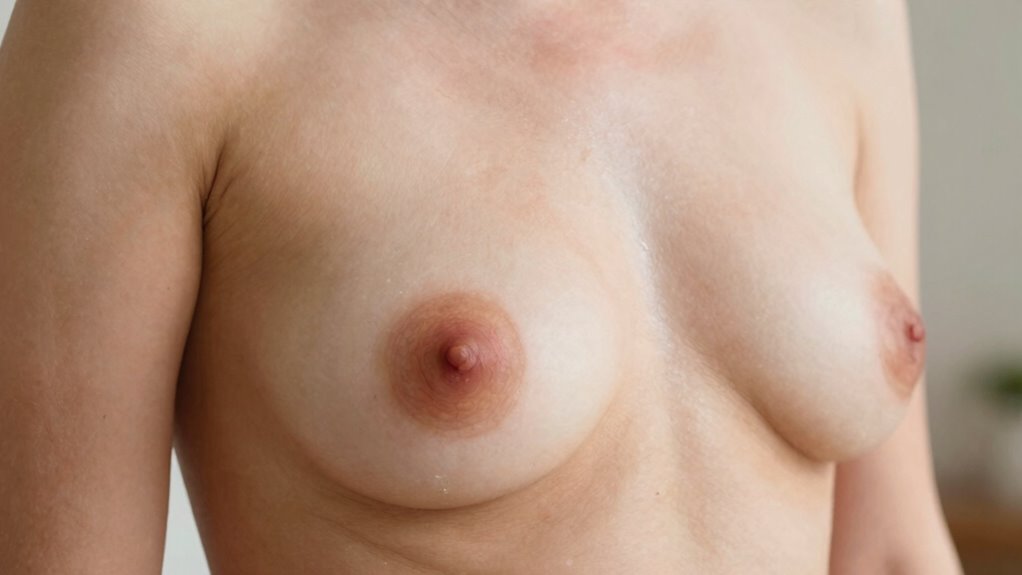
Have you noticed any unusual changes in your breast lately? If so, it’s important to pay close attention because these could be early signs of mastitis. Mastitis is an infection that affects breast tissue, causing pain, swelling, and redness. Recognizing the warning signs early can help you seek treatment promptly and avoid complications. When you’re breastfeeding, practicing good breastfeeding tips is essential not only for your baby’s health but also for mastitis prevention. Proper latch, frequent feeding, and complete emptying of the breast reduce milk stasis, which is a common cause of mastitis. If milk isn’t drained effectively, bacteria can multiply, leading to infection.
Notice unusual breast changes? Early signs of mastitis can help you seek prompt treatment and prevent complications.
As you notice changes, keep an eye out for symptoms like sudden pain in one or both breasts, especially if it feels intense or localized. You might also see swelling or a tender area that’s warm to the touch. Redness or a rash on the skin of your breast can be another warning sign. Some women experience flu-like symptoms, such as fever, chills, or fatigue, which indicate the infection has become more severe. It’s essential not to ignore these symptoms—early intervention can make recovery quicker and easier.
If you observe these signs, don’t delay in seeking medical advice. Antibiotics are often necessary to clear the infection, but you can also support your recovery by continuing to breastfeed or pump frequently. This helps keep milk flowing and prevents milk stasis, which is key to mastitis prevention. Applying warm compresses to the affected area can soothe pain and promote milk flow, while gentle massage can help unblock milk ducts. Staying well-hydrated and resting as much as possible supports your immune system, aiding your body’s fight against the infection. Additionally, understanding the importance of contrast ratio can help you choose a suitable home environment for recovery, as a well-lit, comfortable space can promote rest and healing.
It’s also wise to review your breastfeeding routine. Ensure your baby is latching properly, and don’t go too long between feedings. Sometimes, mastitis develops when milk is left in the breast for extended periods, so regular emptying is essential. Wearing well-fitting, supportive bras can also prevent unnecessary pressure on your breasts, reducing discomfort and the risk of blocked ducts. Remember, mastitis isn’t just about managing symptoms but also about preventing recurrence. If you’ve had it once, taking steps like correct latch, frequent feedings, and good hygiene practices can greatly lower your chances of developing mastitis again.
As an affiliate, we earn on qualifying purchases.
Frequently Asked Questions
Can Mastitis Occur in Men or Only Women?
Mastitis can occur in men, although it’s rare. You should be aware that male breast health issues, including mastitis, often result from hormonal imbalances or infections. If you notice pain, swelling, or redness in your chest, don’t ignore these signs. Prompt treatment is essential to prevent complications. Men experiencing these symptoms should consult a healthcare professional to address potential underlying causes like hormonal imbalance or infection.
Are There Long-Term Health Risks Associated With Mastitis?
If you ignore mastitis, it can leave long-term effects like persistent pain or abscesses, turning a simple infection into a chronic risk. Left untreated, it’s like ignoring a small spark that can ignite a forest fire, causing ongoing health issues. While rare, some may face recurring mastitis, so staying vigilant and seeking prompt treatment helps prevent these chronic risks and safeguards your health for the future.
How Quickly Can Untreated Mastitis Lead to Complications?
If you delay treatment for mastitis, complications can develop within a few days. Untreated mastitis can lead to abscess formation, tissue damage, or even the spread of infection into your bloodstream, risking serious health issues. The timing of treatment is essential; early intervention reduces complication risks markedly. Don’t wait to seek medical care, as prompt treatment helps prevent long-term problems and speeds up your recovery.
Is It Safe to Continue Breastfeeding With Mastitis?
Is it safe to continue breastfeeding with mastitis? Absolutely. Breastfeeding safety remains a priority, and continuing to nurse can help manage your symptoms by promoting milk flow and clearing infection. Mastitis management includes frequent nursing, proper latch, and staying hydrated. Don’t stop breastfeeding without consulting your healthcare provider, as doing so might worsen your condition. Keep nursing to support recovery and protect your baby’s health.
Can Mastitis Be Prevented Through Specific Measures?
You can help prevent mastitis by practicing good breast hygiene and staying vigilant for early detection signs. Make sure to keep your breasts clean and dry, and change nursing pads regularly. Avoid tight clothing that constricts milk flow, and empty your breasts frequently to prevent milk stasis. If you notice any early symptoms, address them promptly to reduce the risk of developing mastitis and maintain healthy breastfeeding.
As an affiliate, we earn on qualifying purchases.
Conclusion
Think of mastitis warning signs as signals from your body’s lighthouse, guiding you safely through stormy waters. Ignoring these signals is like sailing into a fog without a compass—rifficult and risky. When you notice these symptoms, act quickly; steer your ship back to calm waters. Don’t wait for the storm to pass. By paying attention now, you’re keeping your health on course, ensuring smooth sailing ahead. Trust your lighthouse—your body—always.
As an affiliate, we earn on qualifying purchases.
As an affiliate, we earn on qualifying purchases.
Fall Picks
fall essentials
As an affiliate, we earn on qualifying purchases.