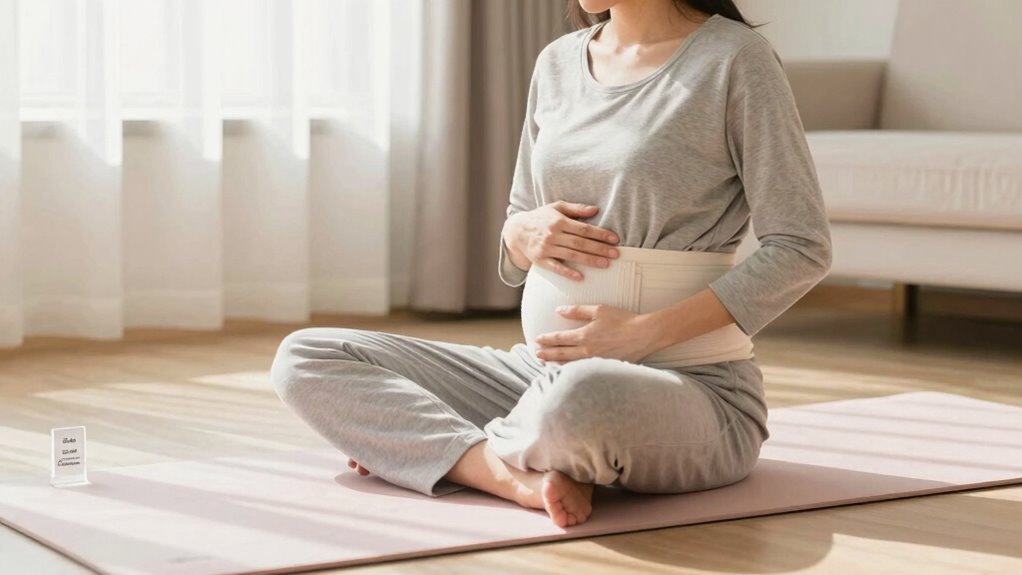

After a C-section, it’s important to follow a gentle, structured timeline to heal safely. Start with gentle movements and pelvic floor exercises within days or weeks after doctor approval. Avoid high-impact workouts and heavy lifting until fully healed, usually several weeks or months. Gradually increase activity, listening to your body’s signals. Patience is key—by sticking to this plan, you’ll rebuild strength safely. Continue exploring for detailed steps to support your recovery journey.

Turn the school run and nap time into listening time
- Thousands of audiobooks, podcasts and originals
- Listen on your phone, tablet or Echo — also offline
- Cancel anytime
Key Takeaways
- Begin with gentle activities like breathing exercises and light walking soon after surgery, following medical clearance.
- Introduce pelvic floor exercises (Kegels) early to support healing and improve bladder control.
- Avoid abdominal exercises and heavy lifting until your healthcare provider confirms it’s safe.
- Progress gradually from basic movements to targeted core exercises to prevent strain and promote recovery.
- Refrain from high-impact activities until fully healed, listening to your body’s signals and respecting healing timelines.
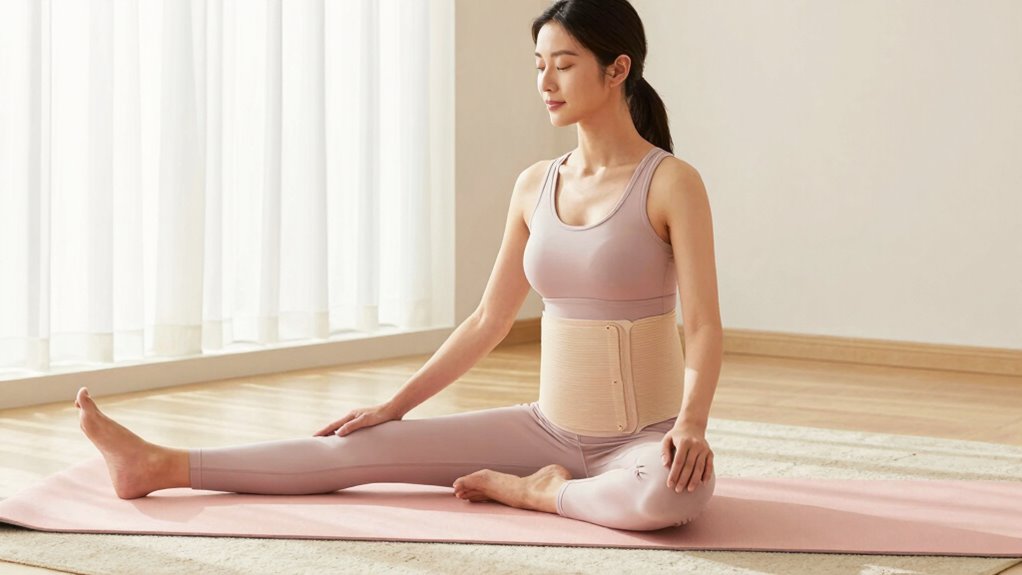
Recovering from a C-section requires patience, especially when it comes to exercise. Your body is adjusting to a major surgery, and rushing back into physical activity can do more harm than good. The key is to listen to your body and give it time to heal properly. Early on, focus on gentle movements that support your recovery, like breathing exercises and light walking. As you progress, you’ll want to pay close attention to your pelvic floor muscles and your abdominal area, which are both essential during this time. Strengthening your pelvic floor can help prevent issues like incontinence and support your core as you heal. Gentle pelvic floor exercises, like Kegels, can be introduced soon after your doctor clears you, usually within a few days or weeks post-surgery. These exercises help tighten and relax the pelvic muscles, promoting better circulation and healing, while also improving bladder control.
Focus on gentle pelvic floor exercises like Kegels soon after your C-section to support healing and bladder control.
Abdominal strengthening, however, should wait until your healthcare provider confirms it’s safe. Your abdominal muscles, especially the rectus abdominis and transverse abdominis, have been stretched and separated during pregnancy, and they need time to recover. Doing sit-ups or crunches too early can strain your incision site and cause discomfort or even complications like diastasis recti. Instead, start with gentle core activation exercises that engage your deep abdominal muscles without putting pressure on your incision. Breathing exercises that draw your belly button towards your spine can help activate these muscles safely. Incorporating proper healing techniques is also crucial to ensure a safe recovery process. As weeks pass, you can gradually incorporate more targeted abdominal strengthening exercises, but only after your doctor gives the go-ahead. By this stage, you’ll notice improvements in your core strength, which is essential for overall stability and posture. Remember, every recovery timeline is different, and rushing can set you back. Focus on small, consistent steps: walking short distances, gentle pelvic tilts, and breathing exercises. These lay a solid foundation for more intensive workouts later on.
Throughout your recovery, avoid high-impact activities, heavy lifting, or anything that causes pain or discomfort. Keep in mind that healing varies from person to person, so don’t compare your progress to others. Patience and gradual progression are your best allies. By respecting your body’s signals and sticking to a safe, guided exercise plan, you’ll support your healing process effectively. Eventually, you’ll rebuild your strength and confidence, returning to your regular activities stronger and healthier than before.
postpartum pelvic floor exercise kit
As an affiliate, we earn on qualifying purchases.
As an affiliate, we earn on qualifying purchases.
Frequently Asked Questions
When Can I Start Doing Light Cardio After a C-Section?
You can usually start light cardio, like walking or postpartum yoga, around 4 to 6 weeks after your C-section, but listen to your body. Focus on strengthening your pelvic floor first, as it’s essential for recovery. Gradually increase intensity, and always consult your healthcare provider before beginning any new exercise. Prioritize gentle activities that support healing and avoid anything too strenuous too soon.
Are There Specific Exercises I Should Avoid During Recovery?
You should avoid exercises that strain your pelvic floor or involve heavy lifting during recovery. Activities like deep abdominal workouts or heavy weightlifting can put stress on your incision and pelvic muscles. Focus on gentle movements and pelvic floor exercises first. Gradually increase intensity as your body heals, and always listen to your doctor’s advice to prevent setbacks and guarantee a safe, smooth recovery.
How Do I Know if My Incision Is Healed Enough to Exercise?
Your incision’s healing is like a delicate garden waiting to bloom. You’ll know it’s ready for exercise when the scar healing progresses smoothly, with no redness, swelling, or discharge. Keep up with incision care, and watch for soft, firm tissue that’s no longer tender. Trust your body—if the scar feels solid and healed, gentle activity is safe. Always consult your doctor before starting any new exercise routine.
Can I Do Abdominal Workouts Immediately Postpartum?
You shouldn’t do abdominal workouts immediately postpartum. Focus on gentle core strengthening and pelvic floor exercises first, which help rebuild strength safely. Wait until your healthcare provider clears you, usually around six weeks, and your incision is healed. Avoid intense abdominal work until you’re confident your core and pelvic floor muscles are strong enough. Prioritize gentle, restorative movements to support your healing journey and prevent complications.
What Signs Indicate I Should Stop Exercising and Consult a Doctor?
If you notice signs of infection like foul odor, unusual discharge, or redness, or if you experience severe pain that doesn’t improve, stop exercising immediately and see your doctor. These symptoms could indicate complications requiring medical attention. Trust your body, and don’t push through pain or discomfort. Always prioritize your healing and consult your healthcare provider before resuming or continuing any exercise routine postpartum.
post-C-section recovery abdominal support belt
As an affiliate, we earn on qualifying purchases.
As an affiliate, we earn on qualifying purchases.
Conclusion
Remember, listening to your body is key. While gentle movement can boost your recovery, rushing into intense exercise isn’t worth the risk. Trust the timeline your healthcare provider gives you, and don’t be swayed by myths suggesting you should jump back into pre-pregnancy workouts immediately. With patience and care, you’ll regain your strength safely—and enjoy every step of your healing journey. Your body knows best; honor its signals and celebrate your progress.
gentle walking shoes for postpartum recovery
As an affiliate, we earn on qualifying purchases.
As an affiliate, we earn on qualifying purchases.
As an affiliate, we earn on qualifying purchases.
Halloween Picks
halloween
As an affiliate, we earn on qualifying purchases.