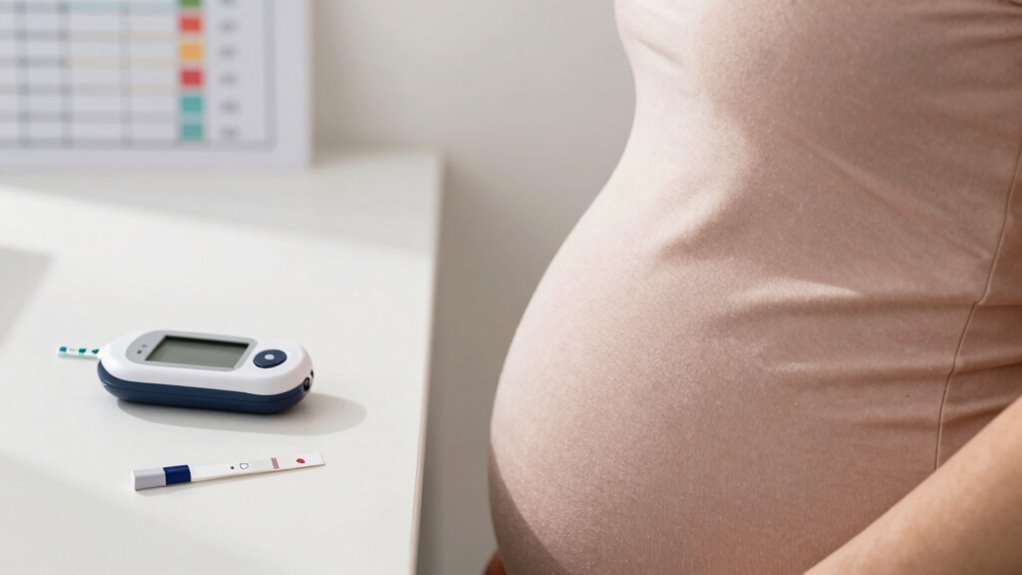

If you have gestational diabetes, your blood sugar numbers show how well your body is managing sugar during pregnancy. A fasting level below 95 mg/dL and post-meal levels under 140 mg/dL are ideal targets, but levels outside these ranges can increase risks for you and your baby. Monitoring these numbers closely helps you and your healthcare team adjust your diet, activity, or medication. Keep going to understand what your specific numbers mean and how to stay healthy.

Turn the school run and nap time into listening time
- Thousands of audiobooks, podcasts and originals
- Listen on your phone, tablet or Echo — also offline
- Cancel anytime
Key Takeaways
- Blood sugar targets during pregnancy are typically under 95 mg/dL fasting and below 140 mg/dL after meals.
- Elevated blood sugar levels indicate gestational diabetes, which can affect both mother and baby’s health.
- Monitoring your blood sugar regularly helps determine if your levels stay within safe ranges.
- Proper management, including diet and insulin if needed, keeps blood sugar numbers in healthy limits.
- Consistently good blood sugar control reduces risks like preeclampsia, preterm birth, and large babies.

Have you ever wondered what gestational diabetes is and how it affects your pregnancy? Understanding this condition starts with knowing how your blood sugar levels play a paramount role in both your health and your baby’s development. During pregnancy, your body naturally becomes more resistant to insulin, the hormone that helps regulate blood sugar. When your body can’t produce enough insulin to overcome this resistance, blood sugar levels rise, leading to gestational diabetes. Managing these levels is essential to reduce risks for complications like preeclampsia, preterm birth, or a larger-than-average baby.
Understanding how insulin resistance during pregnancy can lead to gestational diabetes and affect your baby’s health.
Your healthcare provider will set specific blood sugar targets for you, usually measuring fasting levels and post-meal readings. These targets serve as a benchmark to keep your blood sugar within a safe range, minimizing the risk of complications. Typically, fasting blood sugar should be under 95 mg/dL, and one-hour post-meal levels should stay below 140 mg/dL. Meeting these targets requires consistent monitoring and adjustments in your diet, activity, or medication. It’s important to recognize that these numbers aren’t arbitrary; they’re carefully chosen based on research to protect both you and your baby.
Insulin management becomes an indispensable part of controlling gestational diabetes when diet and exercise alone aren’t enough. If your blood sugar levels remain high despite lifestyle changes, your doctor might recommend insulin injections. This isn’t a sign of failure—in fact, insulin is safe during pregnancy and helps guarantee your blood sugar stays within those recommended targets. Proper insulin management involves learning how to administer doses correctly and understanding how different factors like meals, stress, or illness can influence your levels. You’ll need to check your blood sugar regularly, often multiple times a day, to provide your healthcare team with the data needed for adjustments.
Staying on top of your blood sugar targets requires commitment, but it’s worth it. Consistently managing your blood sugar helps prevent complications during pregnancy and can make delivery easier. It also reduces the chances of your baby developing health issues like hypoglycemia or respiratory problems at birth. Additionally, understanding breast cancer symptoms can be important for overall health awareness. Remember, your healthcare team is there to guide you through this process—whether it’s adjusting insulin doses or offering nutritional advice. By actively managing your blood sugar with a focus on your blood sugar targets and insulin management, you’re taking critical steps to ensure a healthier pregnancy and a healthier start for your baby.
blood glucose monitor for gestational diabetes
As an affiliate, we earn on qualifying purchases.
As an affiliate, we earn on qualifying purchases.
Frequently Asked Questions
Can Gestational Diabetes Affect My Future Risk of Type 2 Diabetes?
Yes, gestational diabetes can increase your future risk of developing type 2 diabetes. If you had gestational diabetes, your body may have difficulty managing blood sugar levels, which can lead to diabetes development later in life. To reduce this risk, maintain a healthy lifestyle with balanced diet and regular exercise. Monitoring your blood sugar and staying connected with your healthcare provider can help prevent or delay the onset of type 2 diabetes.
Are There Specific Foods That Help Control Blood Sugar During Pregnancy?
You can control your blood sugar during pregnancy by eating low glycemic and fiber-rich foods. Opt for whole grains like oats and brown rice, vegetables, and legumes, which help stabilize your blood sugar levels. Avoid sugary snacks and refined carbs. Incorporate fruits like berries and apples in moderation. These choices support steady energy and help manage gestational diabetes effectively, keeping you and your baby healthier throughout pregnancy.
How Often Should I Monitor My Blood Sugar Levels?
You should monitor your blood sugar levels at least four times a day for effective pregnancy management. Check your levels before and after meals, and sometimes at bedtime, as your healthcare provider recommends. Regular blood sugar monitoring helps you stay within target ranges, reducing risks for you and your baby. Consistent tracking makes it easier to adjust your diet or medication as needed, ensuring a healthier pregnancy.
Does Gestational Diabetes Impact the Baby’s Health After Birth?
The early bird catches the worm, and managing your gestational diabetes helps safeguard your baby’s health after birth. If you regulate your blood sugar levels, it reduces risks to infant health and improves birth outcomes. Poor control may lead to complications like birth injuries or neonatal hypoglycemia. Staying on top of your condition ensures your baby’s well-being, both now and later, giving you peace of mind for the future.
What Are the Long-Term Health Implications for Mothers With Gestational Diabetes?
Having gestational diabetes can impact your long-term maternal health by increasing your future diabetes risk. You might face a higher chance of developing type 2 diabetes later in life if you don’t manage it well. Staying healthy through balanced eating, regular exercise, and routine check-ups helps reduce these risks. Keep in mind, taking control now can improve your long-term health and prevent future complications.
insulin injection pen for pregnancy
As an affiliate, we earn on qualifying purchases.
As an affiliate, we earn on qualifying purchases.
Conclusion
Understanding your gestational diabetes numbers can feel overwhelming, but remember, they’re just a guide to help you and your healthcare team keep you and your baby safe. Some might worry about the stress of monitoring, but staying informed actually empowers you to make healthier choices and reduce risks. Trust the process, ask questions, and lean on your support system. With the right knowledge and care, you can navigate this journey confidently and give your baby the best start.
gestational diabetes blood sugar testing kit
As an affiliate, we earn on qualifying purchases.
As an affiliate, we earn on qualifying purchases.
pregnancy blood sugar level monitor
As an affiliate, we earn on qualifying purchases.
As an affiliate, we earn on qualifying purchases.
Evergreen bestsellers Picks
bestsellers
As an affiliate, we earn on qualifying purchases.