When walking outdoors in winter with children, guarantee they’re dressed in layered, waterproof clothing that covers arms, legs, and torso, with insulated hats and mittens. Use insulated covers or blankets inside strollers and car seats to prevent heat loss. Choose footwear with good traction and windproof outer layers to block chilly winds. Keep an eye out for signs of cold stress, like shivering or numbness. If you want to learn more safety tips, you’re in the right place.
Key Takeaways
- Use insulated covers or blankets with strollers and car seats to retain heat and shield from wind.
- Dress children in layered, moisture-wicking, and waterproof clothing to prevent dampness and heat loss.
- Ensure car seats have proper insulated covers designed for cold weather to prevent heat loss during transit.
- Regularly monitor children’s body temperatures for signs of cold stress or hypothermia.
- Adjust clothing layers and coverings as needed to maintain warmth and comfort during outdoor winter walks.

Winter walks can be enjoyable, but they also come with unique safety risks that you need to be aware of. One of the most serious dangers is hypothermia, which can happen quickly if you or your little one aren’t properly dressed for the cold. To prevent this, focus on hypothermia prevention by ensuring everyone wears appropriate winter clothing layers. Start with a moisture-wicking base layer that keeps sweat away from the skin. Add an insulating layer, like fleece or wool, to trap body heat. Finally, top it off with a waterproof and windproof outer layer to shield against the elements. Dressing in layers allows you to adjust clothing as needed and helps maintain a consistent body temperature throughout your walk.
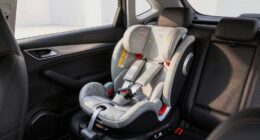
When bundling up your child in a stroller or car seat, remember that even brief exposure to cold air can lead to dangerous drops in body temperature. Always make sure your child’s winter clothing layers are sufficient to keep them warm and dry. Use a snug, insulated snowsuit or layered clothing that covers their arms, legs, and torso. Don’t forget a hat that covers the ears and warm mittens to protect their hands. A good, insulated footmuff or blanket inside the stroller provides extra warmth and shields against wind chill. If you’re using a car seat, add a properly rated, insulated cover designed for cold weather to prevent heat loss. Never overdress your child to the point of sweating, because damp clothing can increase the risk of hypothermia.
You should also pay attention to your own winter clothing layers. Wear a hat, gloves, and a scarf to protect your extremities, which are more vulnerable to cold. Sturdy waterproof boots with good traction will help prevent slips and falls on icy surfaces. Keep in mind that wind can make cold temperatures feel even more intense, so choosing windproof outer layers is a smart move. Regularly check your child’s and your own body temperature during your walk. If you notice signs of cold stress—such as shivering, numbness, or pale skin—head indoors immediately to warm up. Additionally, being aware of proper clothing layering techniques can significantly improve your safety during cold-weather outings.
Frequently Asked Questions
How Do I Prevent My Stroller Wheels From Freezing?
To prevent your stroller wheels from freezing, regularly check and maintain the wheels, ensuring they’re free of debris. Use tire insulation, like foam covers or insulating tape, to keep the rubber warm. Applying a light layer of lubricant can also help prevent freezing. Keep wheels dry and store the stroller in a warm place when not in use. These steps will keep your stroller rolling smoothly in cold weather.
What’s the Best Way to Dress Infants for Winter Walks?
Imagine wrapping your little one like a cozy burrito, snug and warm against the chilly breeze. Use layering techniques with a moisture-wicking base layer, an insulating middle layer, and a waterproof outer shell. Add winter accessories like soft hats, mittens, and scarves, ensuring they fit snugly but comfortably. This keeps your infant warm, dry, and comfortable on winter walks while protecting against cold air and wind.
Are There Specific Car Seat Covers Recommended for Cold Weather?
Yes, you should choose car seat covers designed for cold weather, like waterproof covers that keep moisture out. For extra warmth, consider using heated blankets that are safe and specifically made for car seats. These covers and blankets help maintain a comfortable temperature, protect against wind and snow, and ensure your infant stays cozy during winter walks. Always follow manufacturer guidelines for safety and proper use.
How Can I Keep My Child Warm Without Overheating?
To keep your child warm without overheating, use layering techniques with breathable fabrics. Dress them in lightweight, moisture-wicking base layers that regulate temperature, topped with insulating layers like fleece. Avoid overdressing and remove layers if they seem too warm. Check their neck and chest for signs of overheating, and make certain they’re comfortably snug but not restricted. This approach helps maintain warmth while preventing excessive sweating or chills during winter walks.
What Should I Do if My Stroller or Car Seat Gets Wet?
If your stroller or car seat gets wet, dry them promptly to maintain stroller maintenance and guarantee car seat safety. Use a towel to remove excess moisture, then let the items air dry in a well-ventilated area. Avoid direct heat, which can damage materials. Regularly check for dampness to prevent mold and maintain safe, warm rides. Keeping your equipment dry helps keep your child safe and comfortable during winter walks.
Conclusion
You can stay safe during winter walks by following these cold-weather rules for strollers and car seats. Think of it like a thermometer: just as a thermometer measures temperature, your precautions measure your child’s comfort and safety. By dressing them warmly, protecting against wind, and checking gear regularly, you prevent cold-related risks. Remember, staying vigilant and prepared is like having a reliable thermometer—ensuring your winter outings are both enjoyable and safe for your little one.