
Different sleep training methods like the Ferber approach, chair method, and gentle techniques offer you various ways to help your baby sleep independently. Ferber involves gradual extinction with timed check-ins, while the chair method uses parent proximity with decreasing involvement. Gentle approaches focus on soothing without letting your baby cry it out. Choosing the right method depends on your baby’s temperament and your comfort level. Keep exploring to find the approach that fits your family best.

Turn the school run and nap time into listening time
- Thousands of audiobooks, podcasts and originals
- Listen on your phone, tablet or Echo — also offline
- Cancel anytime
Key Takeaways
- The Ferber method involves timed intervals of letting the baby cry before comforting them, promoting sleep independence quickly.
- The Chair method uses gradual parental proximity reduction, starting with sitting nearby and slowly moving away over time.
- Gentle approaches emphasize reassurance, minimal crying, and gentle transitions, focusing on emotional comfort and slow independence.
- Ferber is faster but more emotionally intense; Chair and Gentle methods are slower and more soothing for parents and babies.
- Choosing a method depends on baby temperament, parental comfort level, and preference for pace and emotional tone.
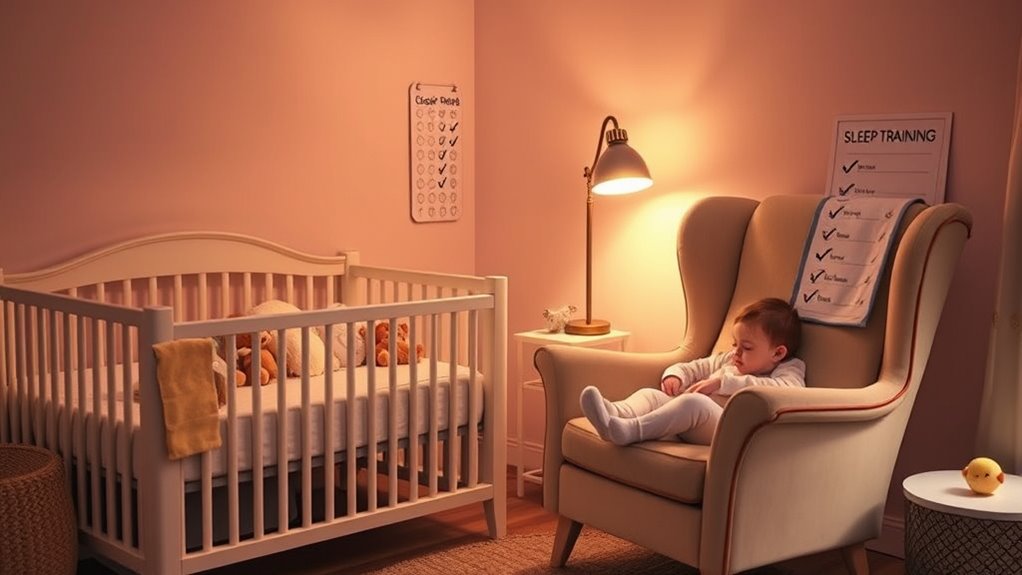
Getting your baby to sleep through the night can feel challenging, but choosing the right sleep training method can make the process smoother. Two common approaches are the cry it out method and gradual extinction, each with its own philosophy and techniques. With cry it out, you allow your baby to cry for a designated period before offering comfort, encouraging self-soothing. This method can be effective if you’re comfortable with letting your baby cry for a while, trusting that they’ll learn to fall asleep independently. It’s straightforward but requires patience, as you’ll need to resist rushing in at the first sign of fussing. Some parents find that cry it out helps their little one develop healthy sleep habits faster, but others worry about the emotional impact of letting their baby cry alone.
Gradual extinction, on the other hand, is a gentler variation. Instead of waiting longer periods, you start by reducing your presence gradually over time. For example, you might initially stay close by, offering reassurance with your voice or a gentle pat, then slowly decrease your involvement each night. The idea is to help your baby learn to fall asleep without feeling abandoned but without the abruptness of traditional cry it out. This approach tends to be less stressful for both parents and babies, as it balances independence with comfort. It’s particularly suitable if you want to avoid letting your baby cry for long stretches but still want them to learn independent sleep skills.
Both methods aim to teach your baby to fall asleep on their own, but they differ in pace and emotional tone. Cry it out can be quicker, but it might be more emotionally intense for some families. Gradual extinction takes longer but offers a softer transition. You’ll want to weigh your baby’s temperament, your comfort level, and your parenting style when choosing between these options. Regardless of which method you pick, consistency is key. Sticking to a routine and giving your baby time to adjust are essential for success. It’s important to understand the different sleep training methods to make an informed choice that aligns with your family’s values. Remember, sleep training isn’t about punishment; it’s about helping your baby develop healthy sleep habits that benefit everyone in the long run. Whichever method you choose, trust your instincts and be patient — sleep training is a process that requires time, understanding, and gentle persistence.
As an affiliate, we earn on qualifying purchases.
Frequently Asked Questions
How Do I Know Which Sleep Training Method Is Best for My Child?
You should choose a sleep training method that aligns with your parenting style and your child’s temperament. Observe how your child responds to changes and consider their sleep associations—like comfort objects or routines. If you prefer a more hands-off approach, gentle methods work well, but if you’re comfortable with structured routines, Ferber might suit you. Trust your instincts and stay consistent to find the best fit for your family.
Are There Age Restrictions for Starting Sleep Training?
You can typically start sleep training around 4 to 6 months old, but age considerations matter. By this age, your baby’s developmental milestones, like self-soothing, are more developed, making training more effective. Always watch for signs your child is ready and consult your pediatrician if you’re unsure. Starting at the right age helps make certain your little one’s emotional and physical development stays on track while learning healthy sleep habits.
What Are Common Challenges Faced During Sleep Training?
You might feel overwhelmed when your baby resists bedtime or wakes frequently at night, disrupting your sleep. For example, a parent struggles with persistent night waking, feeling helpless. Common challenges include bedtime resistance and night waking, which can lead to frustration. Patience is key; understanding that setbacks are normal helps you stay consistent. Remember, addressing these obstacles gradually builds healthier sleep habits for both of you.
Can Sleep Training Affect My Child’s Emotional Development?
Sleep training can impact your child’s emotional development, but it often strengthens emotional resilience and attachment security when done thoughtfully. If you approach it with sensitivity and consistency, your child learns to self-soothe without feeling abandoned, which fosters trust. However, if done harshly, it might temporarily challenge their emotional well-being. Overall, gentle and responsive methods tend to support healthy emotional growth.
How Long Does Each Sleep Training Method Typically Take to See Results?
Like waiting for a flower to bloom, the time it takes to see results varies. Most parents notice changes within a week or two, but it can take longer depending on your child’s sleep duration and bedtime routines. Consistency is key; sticking to your chosen method helps your little one adapt faster. Remember, patience and persistence turn the night’s chaos into peaceful slumber, blossoming into restful nights for everyone.
gentle sleep training sleep sack
As an affiliate, we earn on qualifying purchases.
As an affiliate, we earn on qualifying purchases.
Conclusion
Choosing the right sleep training method is like finding your own fairytale ending—each approach offers a different path, whether it’s Ferber’s structured patience, the gentle whisper of the chair method, or the compassionate embrace of gentle techniques. Remember, every journey is unique, and your perseverance will write your story. As the stars guide sailors home, trust your instincts to lead your little one to peaceful nights and brighter mornings ahead.
baby sleep soother white noise machine
As an affiliate, we earn on qualifying purchases.
As an affiliate, we earn on qualifying purchases.
As an affiliate, we earn on qualifying purchases.
Fall Picks
fall essentials
As an affiliate, we earn on qualifying purchases.