Water birth is often viewed as a safe, natural way to ease labor, but misconceptions exist. The facts show that with proper safety protocols—like monitoring water temperature between 95°F and 100°F—you can reduce risks such as overheating for both you and your baby. Buoyancy helps with movement and pain relief, making labor smoother. If you want to understand how to safely enjoy water birth and dispel common myths, there’s more to explore.
Key Takeaways
- Water birth offers natural pain relief, muscle relaxation, and may shorten labor, but safety depends on proper water temperature management.
- Maintaining water temperature between 95°F and 100°F is essential to prevent overheating risks for mother and baby.
- Hydrotherapy benefits include reduced stress, easier movement, and decreased need for medication during labor.
- Safety protocols require continuous temperature monitoring and avoiding excessive fluctuations to ensure a safe water birth environment.
- Myths about water birth often overlook the importance of proper safety measures, making professional guidance and adherence to protocols crucial.
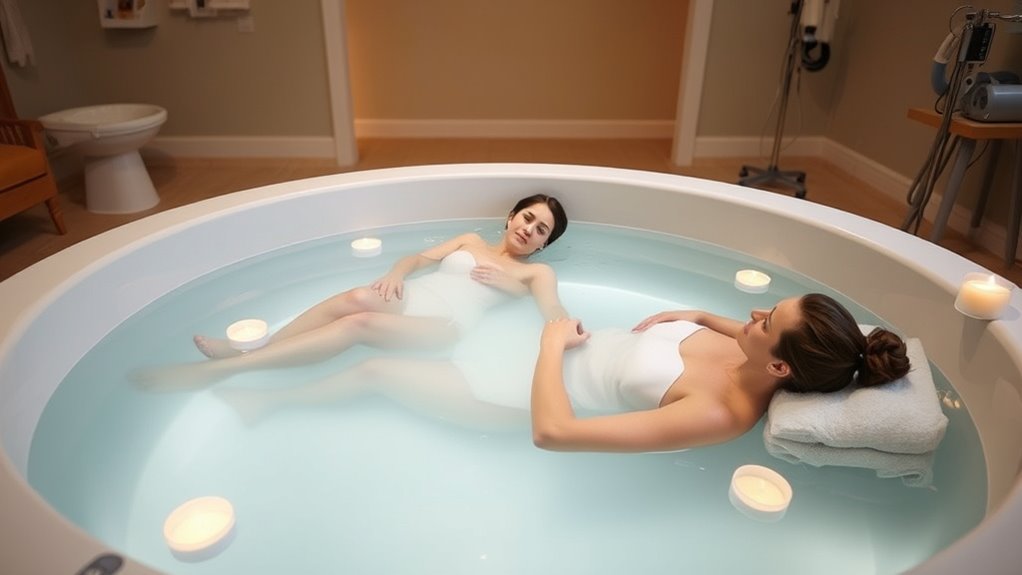
Have you ever wondered how giving birth in water might benefit both you and your baby? Many women explore water birth because they’ve heard about its positive effects, especially the hydrotherapy benefits. When you choose to give birth in water, the warm, buoyant environment can make labor more comfortable and manageable. One of the key factors in this experience is water temperature, which needs to be carefully controlled. Ideally, the water should be kept between 95°F and 100°F (35°C to 37.8°C). This range ensures the water is warm enough to relax your muscles and reduce pain without risking overheating. Maintaining the right water temperature is indispensable because it directly impacts your comfort and safety, as well as your baby’s well-being during labor.
The hydrotherapy benefits of water birth extend beyond just pain relief. The buoyancy reduces pressure on your joints and muscles, helping you move more freely and find comfortable positions during labor. This ease of movement can lead to shorter labor times and less fatigue. Additionally, being immersed in warm water can decrease stress and anxiety, creating a calming environment that promotes the release of endorphins—your body’s natural painkillers. This mental relaxation often results in a more positive birth experience overall. Many women also report feeling more in control because they can change positions easily and avoid the need for excessive medication. Proper water temperature management is also crucial for preventing overheating, which can pose risks to both mother and baby.
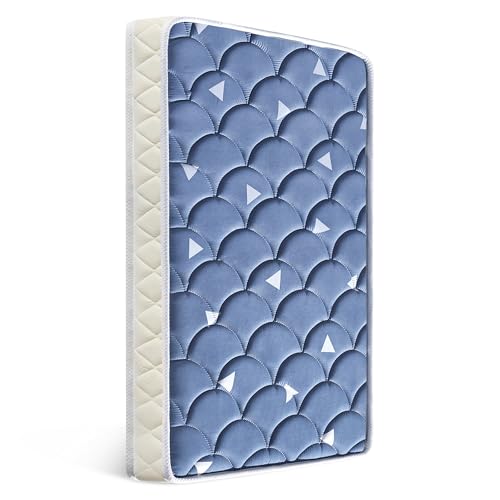
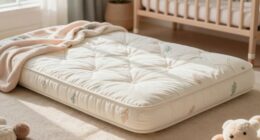
Mini Crib Mattress 38" x 24" x 4"- Firm Support and Comfort Premium Foam,Noiseless and Odorless,Hypoallergenic Mini Crib Mattress,Fits Mini and Portable Cribs,Dual Sided with Soft Breathable Fabric
Material: Mini Crib Mattress upgraded to 4-inch thickness, Thickened high-quality high-density foam and soft breathable fabric give Mini...
As an affiliate, we earn on qualifying purchases.
Frequently Asked Questions
Can Water Birth Be Performed at Home Safely?
You can have a water birth at home, but it’s essential to prioritize safety considerations. Make certain you’re in a calm, clean home setting with a trained midwife or healthcare professional present. They can monitor both you and your baby, handle emergencies, and guarantee all equipment is sterile. While many women choose home water births, only do so if your pregnancy is low-risk and you’ve discussed the safety protocols thoroughly with your provider.
Are There Specific Medical Conditions That Contraindicate Water Birth?
Think of water birth as sailing across calm waters, but some ships aren’t built for certain storms. If you have medical contraindications or are in a high-risk pregnancy, this journey could be unsafe. Conditions like placental issues, infections, or complicated pregnancies mean water birth isn’t appropriate for you. Always check with your healthcare provider to ensure your voyage is safe and smooth, avoiding risky waters.
How Does Water Birth Impact Postpartum Recovery?
Water birth can positively impact your postpartum healing by reducing physical discomfort and promoting relaxation during recovery. Many women find that the soothing environment supports their emotional well-being, helping to ease stress and promote bonding with their newborn. As a result, you might experience a smoother postpartum process, with less pain and a more peaceful emotional state, making your progression into motherhood more comfortable and emotionally supported.
Is Anesthesia or Pain Medication Compatible With Water Birth?
You might wonder if pain management or anesthesia safety are compatible with water birth. Generally, water birth focuses on natural pain relief methods, like hydrotherapy, but some women opt for mild pain medications. However, strong anesthesia isn’t recommended during water birth because it can affect safety and the baby’s well-being. Always consult your healthcare provider to guarantee your pain management plan aligns with water birth protocols.
What Training Do Midwives Receive for Water Birth Procedures?
You might find it interesting that midwives undergo specialized training for water birth procedures, emphasizing water safety and comfort. This training includes hands-on experience, childbirth education, and emergency response skills. They often pursue midwife certification that covers water birth protocols, ensuring they’re well-prepared. This coincidence of training and certification highlights their commitment to safe, supportive water births, giving you confidence in their expertise and the birth experience.

Sealy Baby Flex Cool 2 Stage Crib Mattress and Toddler Bed Mattress, Breathable Hybrid Coil Design, Waterproof Cotton Surface, GREENGUARD GOLD Certified, Standard 52x28 Size
COOL, BREATHABLE SLEEP SURFACE: Natural cotton cover with airy channels helps this crib mattress circulate air around baby’s...
As an affiliate, we earn on qualifying purchases.
Conclusion
As you consider water birth, remember it’s like stepping into a gentle, soothing ocean—calm and natural if done with proper safety protocols. While myths can cloud your judgment, facts and guidelines are your lighthouse, guiding you safely through. Trust your healthcare team, stay informed, and listen to your body. With the right preparations, water birth can be a beautiful, empowering experience—like a peaceful sail on a clear, inviting sea.

Newton Baby Crib Mattress and Toddler Bed - Ultra-Breathable Proven to Reduce Suffocation Risk, Washable Core & Cover, All-Stages, Infant to Toddler, Deluxe 5.5" Thick - White
BREATHE-THRU SAFETY: The only crib mattress with a Wovenaire breathe-thru core. Our patented technology ensures optimal breathability, reducing...
As an affiliate, we earn on qualifying purchases.

Ezebaby Baby Bassinet Bedside Sleeper: 3-in-1 Rocking Bassinet for Baby - Breathable Full-Mesh Crib with Mattress | 6 Height Adjustable | Portable Crib with Lockable Wheels for Newborns
Versatile 3-in-1 Baby Bassinet - Engineered for versatility, this portable bassinet serves as: (1) a secure attached bedside...
As an affiliate, we earn on qualifying purchases.