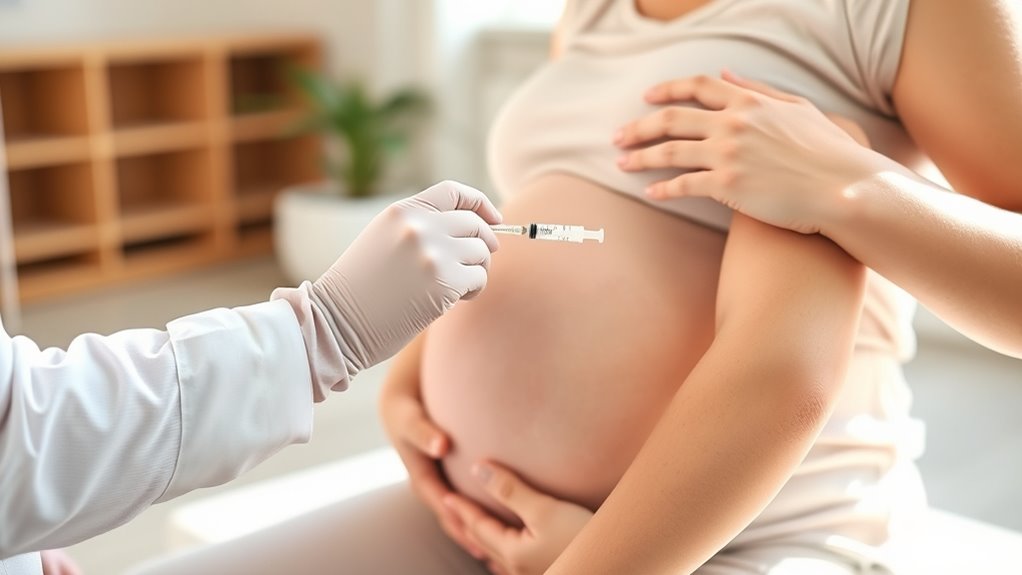

During pregnancy, you shouldn’t skip vaccines like the seasonal flu shot and Tdap, as they protect both you and your baby from serious illnesses. These vaccines are safe and recommended because they help prevent infections that could cause complications. Staying up-to-date guarantees your baby receives passive immunity early on. For additional details on which vaccines are essential and how they benefit you, keep exploring this important topic.
Key Takeaways
- Get the flu shot and Tdap vaccine to protect both mother and baby from serious illnesses.
- Ensure COVID-19 vaccination is up-to-date to safeguard against severe illness during pregnancy.
- Avoid live vaccines like MMR unless specifically recommended and approved by your healthcare provider.
- Stay current on travel-related vaccines, such as hepatitis B, if traveling to high-risk areas.
- Consult your healthcare provider for personalized vaccine guidance, considering safety, efficacy, and any dietary or health considerations.
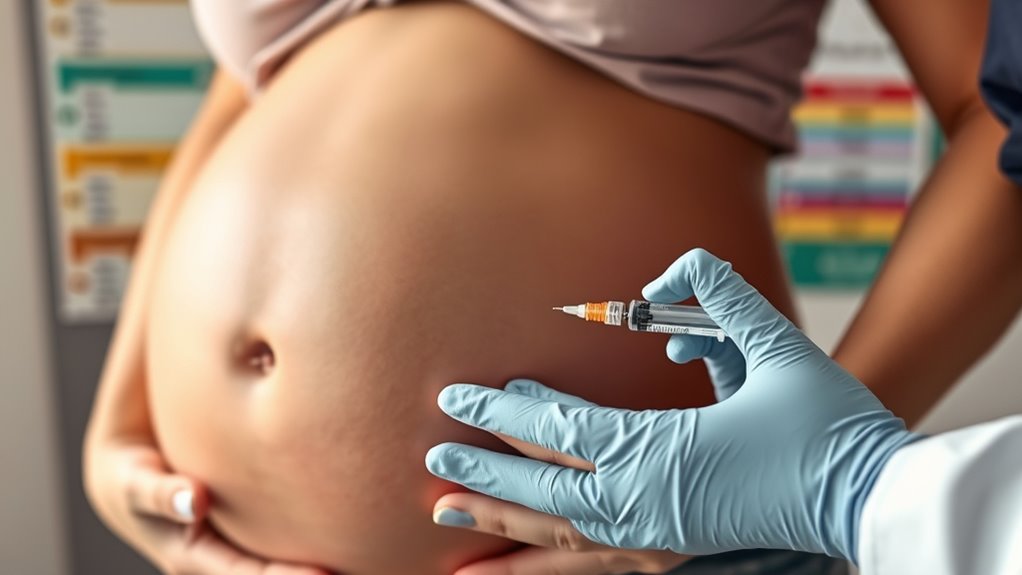
Getting vaccinated while you’re pregnant can protect both you and your baby from serious diseases, but it’s important to understand which vaccines are safe during pregnancy. If you’re planning to travel, especially to areas with higher risks of infectious diseases, making sure your vaccinations are up to date is essential for your travel safety. Certain vaccines, like the flu shot and Tdap, are recommended because they safeguard you during your pregnancy and help boost your newborn’s immunity after birth. This is critical since newborns are too young to receive many vaccines themselves, making maternal immunization a key defense during those early vulnerable months.
Vaccinations during pregnancy protect both mother and baby from serious diseases.
When considering travel safety, vaccines like the hepatitis B shot or COVID-19 vaccine may also come into play, depending on your destination. These vaccines help prevent illnesses that could complicate your pregnancy or require medical attention abroad, which might be difficult to access. Your healthcare provider can advise you on which vaccines are necessary based on your travel plans, health history, and current guidelines. Staying protected while traveling ensures you avoid illness and can enjoy your trip without unnecessary worry.
In addition, some vaccines not only protect your health but also support your baby’s immune system. When you receive certain vaccines during pregnancy, your body produces antibodies that pass through the placenta to your developing baby. This passive immunity gives your newborn a head start against diseases like pertussis (whooping cough) and influenza, which can be especially dangerous for infants. Making sure you get the recommended vaccines during pregnancy maximizes this transfer of immunity, offering your baby protection during their first few months when their immune system is still developing.
Research also shows that vaccine safety during pregnancy has been extensively studied, providing reassurance for expectant mothers considering immunizations. It’s also important to consider halal dietary guidelines when choosing vaccines, especially if you prefer halal-certified options or are concerned about ingredients. Moreover, understanding the safety profile of each vaccine can help you make informed decisions about your immunizations during pregnancy. Consulting with your healthcare provider about vaccine ingredients can help ensure that your choices align with your values and health needs. Additionally, staying informed about immunization guidelines from reputable health authorities can help you make the best decisions for you and your baby. It’s essential to follow your healthcare provider’s guidance about which vaccines are safe during pregnancy. Generally, live vaccines—such as MMR or chickenpox—are avoided because of potential risks, but in some circumstances, your doctor might recommend them if the benefits outweigh the risks. In contrast, inactivated vaccines, like the flu shot and Tdap, are considered safe and beneficial. Taking these vaccines not only shields you but also contributes to your baby’s health by building their initial immunity.
Frequently Asked Questions
Are There Any Vaccines Pregnant Women Should Avoid?
You might wonder if any vaccines are unsafe during pregnancy. Generally, live vaccines should be avoided because they can affect your baby. However, inactivated vaccines are usually safe and help protect both you and your baby. Maintaining proper vaccine timing helps support herd immunity, reducing disease spread. Always consult your healthcare provider before vaccination, so they can guide you on which vaccines are safe and the best timing during pregnancy.
How Do Vaccines Affect Fetal Development?
Think of vaccines as a shield that helps your baby’s developing world stay safe. When you get vaccinated, you boost vaccine safety and help build fetal immunity, which acts like a protective fortress around your little one. Proper vaccination during pregnancy supports healthy fetal development without harm, ensuring your baby’s growth stays on track. Rest assured, medical advice confirms that most vaccines are safe and beneficial for both you and your baby.
Can Vaccinations Prevent Pregnancy-Related Complications?
Vaccinations can help prevent pregnancy-related complications by boosting your immunity and protecting both you and your baby. When you get vaccinated, you contribute to herd immunity, which reduces the spread of infectious diseases. Vaccine safety is well-established, ensuring minimal risks during pregnancy. By staying up-to-date with recommended vaccines, you lower your chances of complications like flu or infections, creating a healthier environment for your growing baby.
What Are the Risks of Not Getting Vaccinated During Pregnancy?
Not getting vaccinated during pregnancy can turn small risks into big problems. Without vaccines, your immune response might not be strong enough to fight off serious infections, risking complications for you and your baby. While vaccine safety is well-established, skipping shots can leave you vulnerable to preventable diseases that could cause severe health issues. Protect your little one’s future by staying current with recommended vaccines—your health and theirs depend on it.
Are There Alternative Ways to Protect My Baby Without Vaccines?
While vaccines are essential for protecting your baby, you might wonder about alternatives. You can consider herbal remedies and dietary supplements, but always consult your healthcare provider first. These options may support your immune system, but they shouldn’t replace vaccines, which are proven to prevent serious diseases. Relying solely on herbal remedies or supplements isn’t enough; vaccination remains the safest way to ensure your baby’s health during pregnancy.
Conclusion
So, while you’re busy preparing for your little one’s arrival, don’t forget to get those vaccines. Ironically, neglecting them might turn your pregnancy into a game of chance—like playing hide and seek with preventable diseases. Protecting your baby begins with protecting yourself. Think of vaccines as your silent shield, quietly working while you focus on nursery decor. Because in the end, it’s the tiny, innocent face you want to keep safe, not the avoidable illnesses.