Dehydration during pregnancy often shows subtle signs you might miss, like tiredness, mild headaches, and dark urine. You may not feel extremely thirsty or have a dry mouth, but symptoms like dry lips and dizziness can still indicate you need more fluids. Keep an eye on how often you urinate and your urine color, and remember, staying properly hydrated is essential for both you and your baby. If you keep these tips in mind, you’ll better understand how to recognize dehydration early.
Key Takeaways
- Mild symptoms like tiredness and headaches can be signs of dehydration, even without intense thirst.
- Dark urine and infrequent urination are subtle indicators of dehydration that may be overlooked.
- Dry lips, dizziness, and dry mouth are common signs but can be mistaken for normal pregnancy discomforts.
- Dehydration symptoms may develop gradually, making early detection difficult without monitoring fluid intake and urine color.
- Not feeling extremely thirsty does not mean hydration is adequate; ongoing vigilance is essential during pregnancy.
Have you ever wondered how dehydration can affect pregnancy? It’s more common than you might think and can sneak up on you without obvious signs. Staying properly hydrated is essential for your health and your baby’s development, yet dehydration often goes unnoticed until symptoms become severe. That’s why understanding hydration tips and fluid intake strategies is so important. By making small adjustments, you can prevent dehydration and its potential complications.
First, recognize that dehydration doesn’t always present with intense thirst or dry mouth. Sometimes, you might feel slightly tired, have a mild headache, or notice darker urine without realizing these are signs of needing more fluids. To combat this, you should develop hydration tips tailored specifically for pregnancy. For example, aim to drink water regularly throughout the day rather than waiting until you’re thirsty. Sipping fluids consistently helps maintain a steady hydration level and prevents dehydration from setting in unexpectedly. Incorporate other hydrating options like herbal teas, milk, and electrolyte drinks, especially if you’re engaging in physical activity or experiencing hot weather. Additionally, some research suggests that increasing your fluid intake can help support overall pregnancy health. monitoring your urine color can serve as a simple and effective way to assess your hydration status.
Fluid intake strategies are essential during pregnancy because your body’s needs increase. Set reminders on your phone or keep a water bottle nearby as visual cues to drink more frequently. Keep track of your fluid intake to ensure you’re consistently reaching your daily goal—generally around 8-12 cups, but consult your healthcare provider for personalized advice. Remember, dehydration isn’t just about drinking water; consuming foods high in water content, such as fruits and vegetables like watermelon, oranges, and cucumbers, can also contribute to your hydration efforts. Incorporating a variety of hydrating foods into your diet can make a significant difference. Maintaining a balanced diet with these foods can be a key component of your hydration plan. Proper hydration can also help in preventing dehydration symptoms, which are often subtle but impactful.
It’s important to listen to your body and pay attention to subtle cues. If you notice symptoms like dry lips, dizziness, or infrequent urination, take immediate action by increasing your fluid intake. Don’t wait until you’re extremely thirsty or feeling unwell to hydrate—prevention is key. During pregnancy, your blood volume increases, and your kidneys work harder, making extra hydration indispensable. If you experience nausea or vomiting, which can make it difficult to stay hydrated, try small, frequent sips of fluids and consider electrolyte solutions to replenish lost minerals. Proper hydration is crucial to avoid complications and promote a healthy pregnancy.
Ultimately, staying well-hydrated during pregnancy involves mindful habits and daily consistency. Incorporate useful hydration tips into your routine and adopt fluid intake strategies that support your unique needs. Doing so helps prevent dehydration’s subtle signs from escalating into more serious health issues, ensuring both you and your baby remain healthy and comfortable throughout your pregnancy.

BellyBottle Pregnancy Water Bottle Tracker – Pregnancy Must Haves First Trimester – Pregnant Gifts for Expecting Mom – Essentials Nausea Relief – Weekly Stickers + Straw + BPA Free – Tidye
PREGNANCY GIFTS – Voted top 5 gifts for pregnant women.
As an affiliate, we earn on qualifying purchases.
As an affiliate, we earn on qualifying purchases.
Frequently Asked Questions
Can Dehydration Affect My Baby’s Brain Development?
Dehydration can impact your baby’s brain development by reducing fetal hydration, which is essential for proper growth. When you’re dehydrated, your blood flow decreases, limiting oxygen and nutrients to your baby’s developing brain. This may increase risks of developmental issues. To protect your baby’s brain development, stay well-hydrated and monitor for signs of dehydration, ensuring your fetus receives the hydration needed for healthy growth and development.
Are Some Pregnancies More Prone to Dehydration Than Others?
Think of your pregnancy as a delicate dance—some steps make you more prone to dehydration. If you’re doing intense hydration and exercise, or taking medication that dries you out, you’re more at risk. Certain pregnancies, like those with morning sickness or higher weight, can also make dehydration more likely. Staying mindful of hydration, especially during strenuous activity or medication use, helps keep your pregnancy balanced and healthy.
How Does Dehydration Impact Pregnancy-Related Nausea and Vomiting?
Dehydration worsens pregnancy-related nausea and vomiting by disrupting your electrolyte balance, making symptoms more intense. When you’re dehydrated, you might notice dehydration symptoms like dizziness, dry mouth, or dark urine, which can increase nausea. Staying well-hydrated helps maintain your electrolyte levels, easing nausea and preventing dehydration from escalating. Keep sipping water and electrolyte-rich drinks to support your pregnancy comfort and health.
Can Dehydration Cause Preterm Labor?
Preterm labor can potentially be pushed by dehydration, as it disrupts electrolyte balance and weakens uterine stability. When you’re dehydrated, your body struggles to maintain proper hydration remedies, increasing the risk of contractions and early labor. Staying hydrated helps support electrolyte balance, keeps your body functioning smoothly, and reduces preterm labor risks. So, drink plenty of water, and consult your healthcare provider to keep both you and your baby safe and strong.
Are There Specific Hydration Guidelines for High-Risk Pregnancies?
You should follow specific hydration guidelines for high-risk pregnancies to ensure both your health and your baby’s well-being. Hydration monitoring is essential; it helps you track fluid intake and prevent dehydration. Incorporate personalized fluid intake strategies, such as drinking water regularly throughout the day and including hydrating foods. Always consult your healthcare provider for tailored advice, especially if you have underlying conditions, to maintain ideal hydration levels during your pregnancy.

Boobie Hydromom Superfood Electrolyte Drink Mix, Blue Raspberry Lemonade | Refreshing Energy & Hydration Boost for Mamas | On-The-Go & Travel Essentials for Pregnancy, Lactation, & Beyond, 15 Packets
Say Hello to Hydration: Get hydrated and stay energized with the refreshing flavor of our blue raspberry lemonade…
As an affiliate, we earn on qualifying purchases.
As an affiliate, we earn on qualifying purchases.
Conclusion
Stay vigilant like a lighthouse guiding you through fog—dehydration can hide behind subtle signs. When you notice your body whispering for water, don’t ignore it; listen closely. Keep sipping fluids to quench your body’s song and keep your pregnancy sailing smoothly. Remember, staying hydrated is your anchor, keeping you steady through this beautiful journey. Trust your instincts, and let hydration be your shining beacon, guiding you safely to the shore of healthy motherhood.
BellyBottle Pregnancy Water Bottle Tracker – Pregnancy Must Haves First Trimester – Pregnant Gifts for Expecting Mom – Essentials Nausea Relief – Weekly Stickers + Straw + BPA Free – Tidye
PREGNANCY GIFTS – Voted top 5 gifts for pregnant women.
As an affiliate, we earn on qualifying purchases.
As an affiliate, we earn on qualifying purchases.
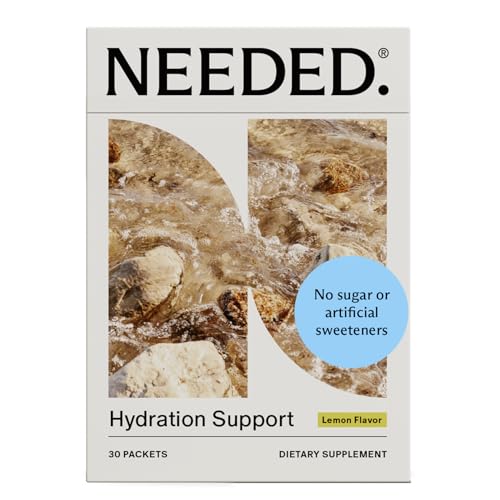
Needed Hydration Support with Electrolytes for Pregnancy & During Lactation & Trace Minerals – 30 Packets Lightly Sweetened with Real Fruit, Lemon
ULTIMATE HYDRATION SUPPORT: Our electrolytes for women feature electrolytes and trace minerals to provide optimal hydration. Single-serving sticks…
As an affiliate, we earn on qualifying purchases.
As an affiliate, we earn on qualifying purchases.