
TL;DR

Get baby and family essentials delivered free — and shop member deals
- Fast, free delivery on millions of items
- Access to Prime Big Deal Days deals on October 6–7
- Prime Video, Amazon Music and more included
Kids’ ergonomic backpacks help prevent back and shoulder pain by promoting proper posture and weight distribution. Choosing the right size, features, and fit is key to keeping your child comfortable and healthy.
Imagine your child lugging around a backpack that’s too heavy or poorly designed. You’ve seen it—slouched shoulders, uneven posture, maybe even complaints of back pain. It’s not just discomfort; it’s a real health concern.
Kids’ ergonomic backpacks aren’t just about style—they’re crafted to protect their developing bodies. This article will show you how to pick one that supports healthy posture, evenly distributes weight, and keeps your kid happy and pain-free during the school year.
Always measure your child’s torso to pick the right backpack size—fit matters more than brand names.
Limit your child’s backpack weight to no more than 15% of their body weight to prevent discomfort and health issues.
Look for padded, adjustable straps and multiple compartments to ensure even weight distribution and comfort.
Teach your child how to pack smartly—heavy items close to the back and using both straps make a big difference.
Stay aware of recent tech innovations like weight sensors and reflective materials to keep your kid safe and engaged.
What Makes a Backpack Ergonomic and Why It Matters
An ergonomic backpack is designed to fit your child’s body and distribute weight properly. Think padded straps, a padded back panel, and a size that matches their torso. It’s about more than looks; it’s about health.
For example, a backpack that’s too big or heavy can cause shoulder strain or lead to poor posture. When children carry excessive weight, it can force their bodies into unnatural positions, potentially causing long-term musculoskeletal issues. Proper weight distribution reduces strain on growing muscles and bones, which is crucial for healthy development. However, choosing a backpack that’s too small or overly padded can restrict movement or add unnecessary bulk, leading to discomfort or reduced mobility. The goal is to find a balance—supportive yet unobtrusive, adjustable yet stable. Good ergonomic design considers the child’s growth, activity level, and the variety of loads they carry daily, ensuring safety without sacrificing comfort.
Imagine a backpack that feels like a gentle hug on your child’s back, evenly spreading the weight. That’s what ergonomic features aim to do—keep your kid comfortable and safe, reducing the risk of future back problems and encouraging healthy habits from a young age.
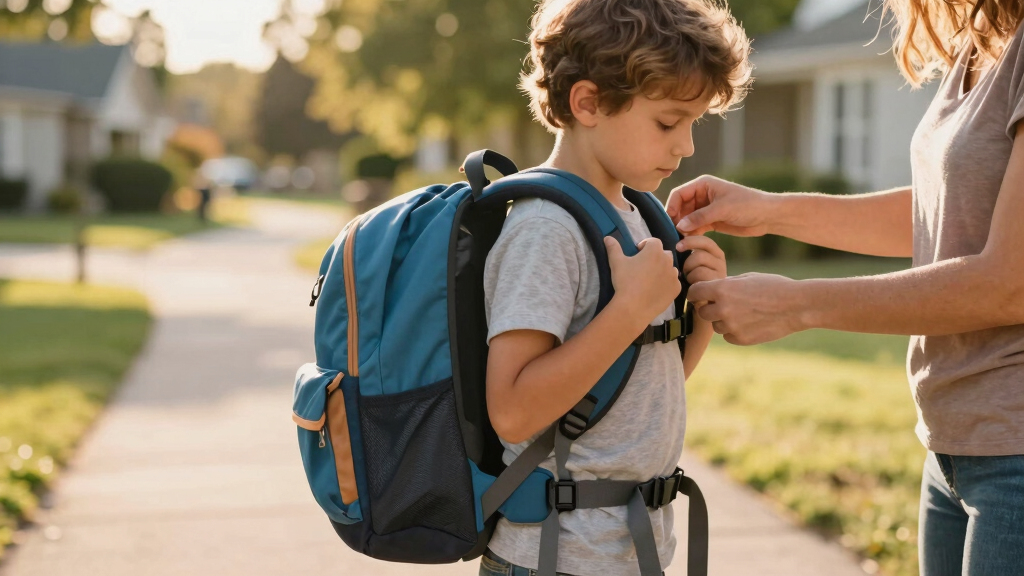
ergonomic kids' backpack with padded straps
As an affiliate, we earn on qualifying purchases.
As an affiliate, we earn on qualifying purchases.
Key Features to Look for in a Kids’ Ergonomic Backpack
When shopping, focus on these must-have features, but also understand why each matters and potential tradeoffs:
- Padded, adjustable straps: These prevent straps from digging into the shoulders, which can cause pain or nerve compression over time. Adjustable straps allow for a snug fit as your child grows, ensuring the backpack remains supportive. However, overly loose straps can cause the pack to sway, increasing strain, so proper adjustment is key.
- Multiple compartments: They help distribute weight evenly by organizing items into smaller loads, reducing pressure points. Well-organized compartments also make it easier for children to access what they need, encouraging better packing habits. The tradeoff is that too many compartments can complicate packing, so simplicity balanced with functionality is ideal.
- Lightweight materials: Using lightweight fabric reduces the overall weight of the backpack, making it easier for small children to carry without fatigue. But lighter materials might sometimes be less durable or less protective against impacts, so choosing high-quality, lightweight fabrics is essential.
- Proper sizing: The bottom of the pack should sit around the waist, not below the hips, to ensure the load stays close to the child’s center of gravity. Measuring torso length helps find the perfect fit. An ill-fitting pack can cause uneven weight distribution, leading to poor posture or discomfort. The tradeoff is that a pack that’s too small might not hold all needed supplies, so selecting a size that balances capacity and fit is important.
- Breathable back panels: These reduce sweating and improve comfort during active days. Enhanced ventilation can prevent skin irritation and overheating, especially in warmer climates. The potential downside is that some breathable fabrics may be less durable or more expensive, so choosing quality materials is key to longevity.
Brands like Ergobag or L.L.Bean incorporate these features thoughtfully, but understanding why each feature matters helps you prioritize what’s best for your child’s needs and lifestyle.
kids' backpack with adjustable straps and weight sensors
As an affiliate, we earn on qualifying purchases.
As an affiliate, we earn on qualifying purchases.
How to Pick the Right Size and Fit in 3 Simple Steps
- Measure your child’s torso length: Use a tape measure from the base of the neck (just below the prominent vertebra) to the top of the hips (iliac crest). Accurate measurement ensures the backpack aligns with their back, minimizing strain. An incorrect fit can cause the pack to sit too low or high, shifting weight away from the center of gravity and leading to discomfort or poor posture.
- Choose a backpack with adjustable straps: This allows you to customize the fit as your child grows, maintaining proper weight distribution. Well-adjusted straps prevent excessive movement and reduce strain on shoulders and back, but improper adjustments can cause uneven load or chafing, so teach proper fitting techniques.
- Test the fit in-store or at home: The backpack should sit snugly against the back without sagging or creating gaps. It shouldn’t sway or bounce when your child moves, which can indicate improper fit or loose straps. Encourage your child to walk, bend, and sit with the pack on to ensure comfort and stability. Remember, a well-fitted backpack reduces the likelihood of postural issues and muscle fatigue, helping your child stay comfortable throughout the day.
For example, if your child’s torso measures 14 inches, selecting a pack designed for that size range ensures the weight stays close to their spine, preventing unnecessary strain and promoting good posture. Investing time in proper measurement and fitting can make a significant difference in your child’s comfort and health.
children's supportive school backpack
As an affiliate, we earn on qualifying purchases.
As an affiliate, we earn on qualifying purchases.
Frequently Asked Questions
How do I know if my child’s backpack is too heavy?
Use the 10-15% rule: if the pack weighs more than 15% of your child’s weight, it’s too heavy. Weigh the pack and compare. Watch for signs like shoulder pain, leaning forward, or complaints of discomfort.Can I make any backpack more ergonomic with accessories?
Yes. Adding padded straps, sternum straps, or waist belts helps distribute weight better. Also, using organizational pouches can keep heavy items close to the back, improving comfort.Are lightweight backpacks always better?
Not necessarily. While lighter materials help reduce overall weight, they must still be durable and well-padded. Balance weight reduction with quality and ergonomic features.What if my child refuses to wear the backpack properly?
Make it fun! Let them choose designs they love, teach them how to pack correctly, and explain why proper wearing is important. Modeling good habits helps too.Are ergonomic backpacks only for certain ages?
No. They’re suitable for all school-aged children. Just match the size and features to your child’s age, size, and activity level for best results.kids' backpack with multiple compartments
As an affiliate, we earn on qualifying purchases.
As an affiliate, we earn on qualifying purchases.
Conclusion
A well-chosen ergonomic backpack is a simple step toward protecting your child’s growing spine. It’s not just about avoiding discomfort; it’s about setting habits that last a lifetime. A little effort now can prevent back pain and postural problems later.
So, next time you’re shopping, think beyond style. Focus on fit, features, and proper use. Your child’s back will thank you—today, tomorrow, and well into the future.
Fall Picks
fall essentials
As an affiliate, we earn on qualifying purchases.