

After birth, your pelvic floor muscles may feel weak, stretched, or sore, but gentle exercises can help you rebuild strength and support bladder control. Many moms skip this step, but performing simple Kegel exercises regularly, whether lying down, sitting, or standing, makes a big difference. Focus on isolating those muscles without squeezing other areas or holding your breath. Want to learn how to get started and boost your postpartum recovery? Keep going to find out more.

Turn the school run and nap time into listening time
- Thousands of audiobooks, podcasts and originals
- Listen on your phone, tablet or Echo — also offline
- Cancel anytime
Key Takeaways
- Postpartum pelvic exercises like Kegels help restore muscle strength and prevent issues such as incontinence.
- Gentle, daily pelvic floor exercises can be performed lying, sitting, or standing, focusing on muscle isolation.
- Many women overlook starting pelvic exercises early, risking long-term pelvic health problems.
- Consulting healthcare providers ensures safe, personalized guidance during postpartum recovery.
- Consistent, small movements build pelvic strength, supporting bladder control and overall pelvic health long-term.
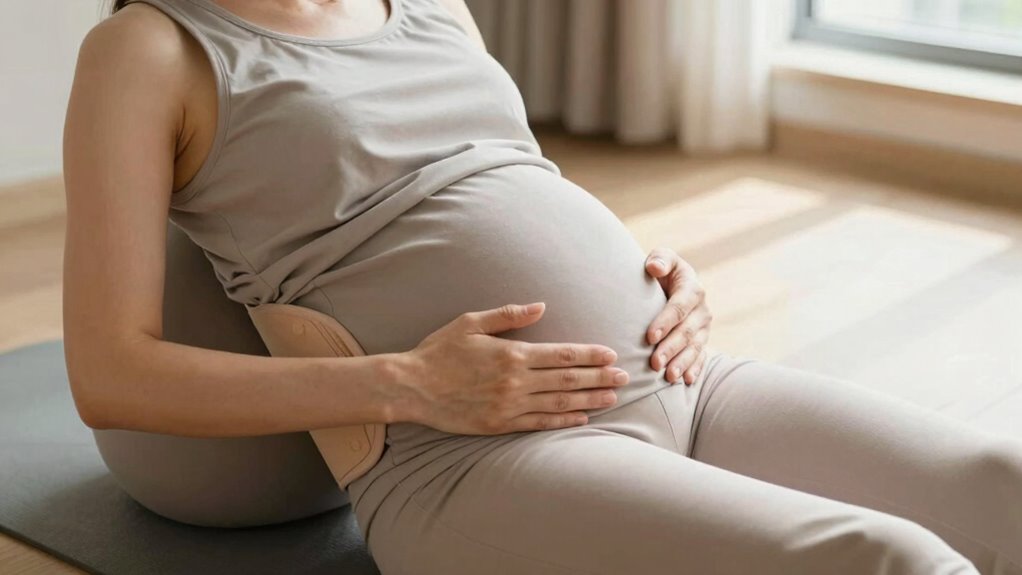
After giving birth, your pelvic floor muscles can feel weak, stretched, or sore, which is common but essential to address. This is a critical time to focus on postpartum exercises that help strengthen and restore these muscles. Many new moms overlook or delay engaging in pelvic floor exercises, either because they’re overwhelmed or unsure where to start. However, understanding the importance of pelvic health awareness can motivate you to take gentle steps toward recovery. The goal isn’t to push yourself hard but to gently reconnect with your body and rebuild strength gradually.
Starting with simple pelvic floor exercises can make a significant difference. These exercises, often called Kegels, involve tightening and relaxing the pelvic muscles. You can do them anytime—while lying down, sitting, or standing—making them easy to integrate into your daily routine. The key is consistency; even a few minutes daily can help restore muscle tone, improve bladder control, and reduce the risk of future pelvic issues. Remember, these exercises are not about squeezing other muscles or holding your breath—they’re about isolating and gently engaging the pelvic floor.
Pelvic health awareness is essential because many women don’t realize how much their pelvic muscles impact overall well-being. Weak pelvic muscles can lead to issues like incontinence, pelvic organ prolapse, or sexual discomfort, which can affect your quality of life. Educating yourself about your pelvic health encourages proactive steps, helping you feel empowered rather than overwhelmed. It’s normal to feel unsure at first, but once you start, you’ll notice your strength gradually returning. Over time, you can progress to more advanced postpartum exercises as your muscles regain their tone and control.
It’s also helpful to seek guidance from a healthcare professional, especially if you experience pain, heavy pressure, or leaks. They can assess your pelvic health and recommend tailored exercises or therapies. Remember, every woman’s recovery is unique, so patience is essential. While it might seem like a small step, incorporating pelvic health awareness and postpartum exercises early on can set the foundation for long-term pelvic health. Giving your body the gentle attention it needs now can prevent problems later and help you feel more confident in your recovery journey. Don’t underestimate the power of these small, consistent movements—they’re a fundamental part of healing and regaining strength after birth.
Focusing on pelvic floor exercises and understanding their role can also motivate you to stay committed to your recovery.
postpartum pelvic floor exercise kit
As an affiliate, we earn on qualifying purchases.
As an affiliate, we earn on qualifying purchases.
Frequently Asked Questions
When Should I Start Pelvic Floor Exercises Postpartum?
You can start pelvic floor exercises, like Kegel progress, as soon as you feel comfortable postpartum, usually within a few days or weeks after birth. Focus on pelvic awareness first, gently engaging your muscles without strain. It’s best to listen to your body and avoid overexertion. Gradually increase intensity, and consult your healthcare provider if you have any concerns or experience discomfort during your exercises.
Are Pelvic Floor Exercises Safe Immediately After Birth?
Starting pelvic floor exercises immediately after birth is like planting a seed—you need gentle care first. It’s safe if you listen to your body and get clearance from your healthcare provider. Focus on pelvic floor awareness and postpartum stretching to ease back into movement. Avoid intense workouts right away, but gentle contractions can help restore strength and function without risking injury. Always prioritize your comfort and healing.
How Do I Know if My Pelvic Floor Is Weak?
You might notice signs of a weak pelvic floor if you experience urinary leaks when coughing or laughing, a feeling of heaviness, or difficulty controlling your bladder. Pelvic floor exercises can help strengthen these muscles and improve urinary health. If you’re unsure, consult a healthcare professional for personalized advice. Regularly doing gentle pelvic exercises supports recovery and helps prevent issues later, so start slowly and listen to your body.
Can Pelvic Floor Exercises Help With Postpartum Incontinence?
Yes, pelvic floor exercises like Kegel techniques can help with postpartum incontinence. By strengthening your pelvic muscles, you improve bladder control and support overall pelvic health awareness. Regularly practicing these exercises can reduce leakage and boost confidence. Make sure to perform them correctly and consistently for the best results. Remember, it’s never too early or late to start caring for your pelvic health after childbirth.
How Long Does It Take to Regain Pelvic Floor Strength?
Think of your pelvic floor like a garden that needs consistent care. You can start seeing improvements in core stability and bladder health within 6 to 12 weeks with regular exercises. Like watering plants, gentle, daily pelvic floor exercises help strengthen muscles gradually. Stay patient and persistent, and you’ll notice greater support and control over time. Remember, consistency is key to reclaiming your pelvic strength.
As an affiliate, we earn on qualifying purchases.
Conclusion
Remember, caring for your pelvic floor is like tending a delicate garden—consistent attention fosters strength and resilience. Skipping these gentle beginnings may feel tempting, but just as Da Vinci’s masterpiece requires careful strokes, your recovery benefits from mindful, gentle work. Embrace these small steps now, and you’ll build a foundation as enduring as the classics. Your body’s restoration is a quiet, powerful act—one that echoes the timeless wisdom of nurturing what matters most.
As an affiliate, we earn on qualifying purchases.
postnatal pelvic health products
As an affiliate, we earn on qualifying purchases.
As an affiliate, we earn on qualifying purchases.
Fall Picks
fall essentials
As an affiliate, we earn on qualifying purchases.