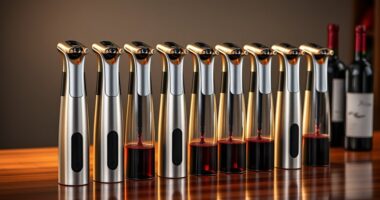
Parents searching for a smart nursery camera with breathing tracking should know that these four options do not all track breathing in the same way. The Owlet Dream Duo pairs a camera with a wearable Dream Sock that monitors pulse rate and oxygen levels; the Dream Duo 3 offers a similar combined approach, while the Dream Sight is a camera-first choice for clear video and alerts. The Nanit brings sleep insights and flexible mounting, but its listed features do not include a wearable breathing sensor.

Turn the school run and nap time into listening time
- Thousands of audiobooks, podcasts and originals
- Listen on your phone, tablet or Echo — also offline
- Cancel anytime
That distinction drives my ranking: I put combined camera-and-sock systems ahead for buyers who specifically want breathing-related health data, then compare their camera and setup tradeoffs. If you want a camera without a wearable, Dream Sight and Nanit offer different strengths, but neither should be mistaken for a breathing monitor based on the information provided. These devices serve different needs, so I focus on what each actually tracks rather than treating video, sleep analytics, and oxygen monitoring as interchangeable.
Complete the kit


Key Takeaways
- Dream Duo 3 is my top pick for combining 2K video, room sensors, and the Dream Sock’s pulse-rate and oxygen tracking.
- Dream Duo is the comparable combined-system alternative, with wide-angle 2K viewing and sock-based tracking for babies up to 18 months.
- Dream Sight is camera-first: it offers 2K video, cry and motion alerts, and room monitoring, but no breathing or oxygen sensor is listed.
- Nanit focuses on sleep insights and caregiver access; the listed features do not include breathing tracking, and advanced insights need a subscription after the trial.
- Check the use limits before choosing: the Owlet sock systems are listed for U.S. use and require a wearable; Nanit and Dream Sight rely on Wi-Fi for full functionality.
| Owlet Dream Duo 3 Smart Baby Monitor System |  | Best Overall for Wearable Health Tracking | Components: Dream Sock and Dream Sight camera | Video: 2K HD | Camera view: 130-degree wide-angle lens, 4x zoom | VIEW ON AMAZON | See Our Full Breakdown |
| Owlet Dream Duo Smart Baby Monitor System with Dream Sock and 2K HD Camera |  | Best Alternative for a Combined Camera and Sock | Components: Dream Sock and 2K HD camera | Camera view: 130-degree wide-angle lens, 4x zoom | Health tracking: Pulse rate and oxygen levels via Dream Sock | VIEW ON AMAZON | See Our Full Breakdown |
| Owlet Dream Sight Smart Baby Monitor – 2K HD WiFi Camera with Cry Alerts |  | Best Camera-First Owlet Option | Video resolution: 2K HD | Night vision and zoom: Night vision; 4x zoom | Connectivity: Dual-band 2.4/5 GHz Wi-Fi and Bluetooth | VIEW ON AMAZON | See Our Full Breakdown |
| Nanit Smart Baby Video Monitor – Camera & Floor Stand – 1080p Wi-Fi Camera |  | Best for Sleep Insights and Flexible Placement | Video resolution: 1080p HD | Night vision: Infrared | Connectivity: Wi-Fi; local-network viewing described as available offline | VIEW ON AMAZON | See Our Full Breakdown |
| smart nursery camera with breathing tracking | Room sensors | Connectivity | Security | Components |
|---|---|---|---|---|
| Owlet Dream Duo 3 Smart Baby M | Temperature and humidity | Bluetooth and 2.4/5 GHz Wi-Fi; sock setup requires 2.4 GHz | — | Dream Sock and Dream Sight camera |
| Owlet Dream Duo Smart Baby Mon | Temperature and humidity | Bluetooth and dual-band Wi-Fi; 2.4 GHz required for sock setup | 256-bit encryption and SGS Cybersecurity Mark | Dream Sock and 2K HD camera |
| Owlet Dream Sight Smart Baby M | Temperature and humidity | Dual-band 2.4/5 GHz Wi-Fi and Bluetooth | 256-bit encryption and SGS Cybersecurity Mark | — |
| Nanit Smart Baby Video Monitor | Temperature and humidity | Wi-Fi; local-network viewing described as available offline | 256-bit AES encryption and two-factor authentication | — |
More Details on Our Top Picks
Owlet Dream Duo 3 Smart Baby Monitor System
Dream Duo 3 is my first choice for a buyer who wants a nursery camera and breathing-related health measurements in one system. The 2K Dream Sight camera handles the visual side, while the Dream Sock monitors pulse rate and oxygen levels using pulse oximetry. That makes this bundle a closer match for the search than Dream Sight alone or Nanit, whose listed capabilities center on video, alerts, and sleep insights rather than wearable oxygen tracking.
The camera adds a 130-degree wide-angle view and 4x zoom, along with temperature and humidity tracking. That mix can reduce the need to choose between seeing a broad portion of the crib and checking details more closely. Compared with the earlier-described Dream Duo, Dream Duo 3 states its components and limits clearly: the sock is for babies up to 18 months, and the system is listed as U.S.-only. It is not a camera that measures breathing from the image, and pulse-oximetry data should not be read as a diagnosis.
The main compromise is that the health feature depends on using a wearable sock, which adds setup and fit considerations that camera-only buyers avoid. Setup also calls for a 2.4 GHz Wi-Fi connection for the sock, despite the camera system supporting dual-band Wi-Fi. I would choose it over Dream Sight when health tracking is the priority; I would skip it if I only wanted a simple live view, or if the child is beyond the sock’s stated age range.
Pros:- Dream Sock adds pulse-rate and oxygen-level tracking alongside the camera.
- 2K camera includes a 130-degree wide-angle view and 4x zoom.
- Tracks room temperature and humidity with customizable alerts.
- Lists 256-bit encryption and the SGS Cybersecurity Mark.
Cons:- The Dream Sock is listed for use up to 18 months.
- Sock setup requires a 2.4 GHz Wi-Fi connection.
- The system is listed as compatible only in the United States.
Best for: U.S. families who want a camera bundled with a wearable that tracks pulse rate and oxygen levels for a baby up to 18 months.
Not ideal for: Families seeking direct breathing-rate measurement, a camera-only setup, use outside the United States, or monitoring beyond the Dream Sock age range.
- Components:Dream Sock and Dream Sight camera
- Video:2K HD
- Camera view:130-degree wide-angle lens, 4x zoom
- Health tracking:Pulse rate and oxygen level via pulse oximetry
- Room sensors:Temperature and humidity
- Connectivity:Bluetooth and 2.4/5 GHz Wi-Fi; sock setup requires 2.4 GHz
- Sock age range:Up to 18 months
- Security and region:256-bit encryption, SGS Cybersecurity Mark; U.S. only
Our verdict“I’d choose Dream Duo 3 when wearable pulse and oxygen tracking matters more than avoiding a sock, while keeping its age and U.S. limits in view.”
Owlet Dream Duo Smart Baby Monitor System with Dream Sock and 2K HD Camera
Dream Duo offers the same basic proposition as Dream Duo 3: a 2K camera paired with a Dream Sock that tracks pulse rate and oxygen levels. For shoppers comparing the two Owlet bundles, the supplied descriptions point to a closely matched feature set rather than a clear difference in the core health function. Its camera has a 130-degree view and 4x zoom, plus room temperature and humidity monitoring, so the package covers more than a live picture.
Compared with Dream Sight, this is the more relevant Owlet choice for breathing-related monitoring because it includes the wearable sock. Compared with Dream Duo 3, it also states that the sock is limited to babies up to 18 months and that the system is available only in the United States. The product description mentions quick Bluetooth and dual-band Wi-Fi setup, while the listed drawback says the sock needs a constant 2.4 GHz Wi-Fi connection during setup. I would verify setup requirements for the exact system before buying, especially if the home network is configured to separate bands.
Its key drawback is not a missing camera feature but the nature of the health-tracking approach: the sock must be worn, and the listed measurements are pulse and oxygen, not a direct breathing-rate reading. It also shares the same practical limits as the other bundle: age range, regional restriction, and network dependence. I’d compare it directly with Dream Duo 3 on current package contents and app details rather than assuming the two bundles differ in a way the supplied specifications do not establish.
Pros:- Combines pulse-rate and oxygen-level tracking with 2K video.
- 130-degree camera view and 4x zoom provide both broad coverage and detail.
- Room temperature and humidity monitoring add environmental context.
- Lists customizable sound, movement, crying, and environmental alerts.
Cons:- Dream Sock use is limited to babies up to 18 months.
- Sock setup requires a 2.4 GHz Wi-Fi connection.
- The system is listed for U.S. use only.
Best for: Parents who want a Dream Sock and 2K camera bundle with room sensors, and who can use the system in the United States.
Not ideal for: Buyers who want a direct breathing-rate reading, need a wearable-free monitor, live outside the U.S., or need sock tracking beyond 18 months.
- Components:Dream Sock and 2K HD camera
- Camera view:130-degree wide-angle lens, 4x zoom
- Health tracking:Pulse rate and oxygen levels via Dream Sock
- Sock age range:Up to 18 months
- Room sensors:Temperature and humidity
- Connectivity:Bluetooth and dual-band Wi-Fi; 2.4 GHz required for sock setup
- Security:256-bit encryption and SGS Cybersecurity Mark
- Region:United States only
Our verdict“I’d shortlist Dream Duo alongside Dream Duo 3, then confirm the exact bundle and setup requirements because their listed core tracking features are very similar.”
Owlet Dream Sight Smart Baby Monitor – 2K HD WiFi Camera with Cry Alerts
Dream Sight is the right Owlet pick for video and alerts, not breathing tracking. Its 2K HD stream, night vision, and 4x zoom give it a strong camera specification, while cry and motion alerts can help caregivers notice activity without continuously watching the app. Temperature and humidity readings add room context, and two-way talk provides a way to speak through the monitor.
Compared with Dream Duo and Dream Duo 3, the major difference is the absence of a listed Dream Sock or pulse-oximetry function. That distinction matters for this roundup: Dream Sight can show a baby and alert for sound or movement, but the supplied details do not describe it as measuring breathing, pulse, or oxygen. If the goal is health data, the bundled Owlet systems are the better fit. If the goal is a clear camera without a wearable, Dream Sight avoids sock use and its age limit.
Its dual-band Wi-Fi and Bluetooth, 256-bit encryption, and SGS cybersecurity mark are useful differentiators, but the product still depends on a stable Wi-Fi connection for full functionality. The description also warns that advanced features may require an app upgrade or subscription. Compared with Nanit, Dream Sight emphasizes 2K viewing and environmental alerts, while Nanit’s pitch leans more heavily on sleep insights and coaching. I would choose this camera for day-to-day visibility, not as a substitute for a breathing monitor.
Pros:- 2K HD video with night vision and 4x zoom.
- Cry, motion, temperature, and humidity alerts are listed.
- Two-way audio supports remote soothing.
- 256-bit encryption and SGS Cybersecurity Mark are specified.
Cons:- No breathing, pulse, or oxygen tracking is listed.
- Full functionality depends on a stable Wi-Fi connection.
- Some advanced features may require an app upgrade or subscription.
Best for: Caregivers who want a high-resolution Wi-Fi camera with cry, motion, and room-condition alerts but do not need a wearable health tracker.
Not ideal for: Buyers who specifically need breathing-related health measurements, pulse or oxygen tracking, or a monitor with full functionality independent of Wi-Fi.
- Video resolution:2K HD
- Night vision and zoom:Night vision; 4x zoom
- Connectivity:Dual-band 2.4/5 GHz Wi-Fi and Bluetooth
- Alerts:Cry, motion, temperature, and humidity
- Audio:Two-way talk
- Room sensors:Temperature and humidity
- Security:256-bit encryption and SGS Cybersecurity Mark
Our verdict“I’d pick Dream Sight for clear video and practical room alerts, but not when breathing-related measurements are the main reason for buying.”
Nanit Smart Baby Video Monitor – Camera & Floor Stand – 1080p Wi-Fi Camera
Nanit is a sleep-insights camera, not a listed breathing tracker. Its 1080p live stream, infrared night vision, two-way audio, and floor-stand or wall-mount options make it a flexible choice for families building a camera-centered nursery setup. Automatic sleep tracking, customizable alerts, and multi-caregiver access give it a different focus from the Owlet bundles, which pair camera viewing with a wearable that measures pulse and oxygen.
That difference should guide the decision. Compared with Dream Sight, Nanit’s standout feature is its sleep analytics and personalized coaching trial, not higher-resolution video; Dream Sight lists 2K video and 4x zoom, while Nanit lists 1080p. Compared with Dream Duo systems, Nanit does not list a sock or pulse-oximetry measurements. Sleep-pattern information may help families review routines, but it should not be treated as breathing or oxygen monitoring.
Nanit offers 256-bit AES encryption and two-factor authentication, plus local-network viewing described as available offline. Full functionality still depends on Wi-Fi, and advanced insights require a paid subscription after the three-month trial. I’d choose Nanit if sleep coaching, flexible mounting, and caregiver access matter more than wearable health data. For the specific search intent here, it ranks below the Owlet sock bundles and Dream Sight because no breathing-related sensor is listed.
Pros:- 1080p video, infrared night vision, and two-way audio.
- Floor stand or wall-mount options suit different nursery layouts.
- Automatic sleep tracking and a three-month Insights trial are listed.
- 256-bit AES encryption, two-factor authentication, and multi-caregiver access.
Cons:- No breathing, pulse, or oxygen tracking is listed.
- Advanced sleep features require a paid subscription after the trial.
- Full functionality depends on Wi-Fi.
Best for: Families who prioritize sleep insights, flexible floor-stand or wall mounting, and access for multiple caregivers over wearable oxygen tracking.
Not ideal for: Anyone shopping specifically for a breathing, pulse, or oxygen monitor, or anyone who wants advanced sleep insights without a continuing subscription.
- Video resolution:1080p HD
- Night vision:Infrared
- Connectivity:Wi-Fi; local-network viewing described as available offline
- Audio:Two-way audio
- Mounting:Floor stand or wall mount
- Room sensors:Temperature and humidity
- Sleep features:Automatic tracking; three-month Insights trial
- Security:256-bit AES encryption and two-factor authentication
Our verdict“I’d choose Nanit for sleep insights and flexible camera placement, but not for breathing-related health measurements.”

How We Picked
I ranked these products by how closely their listed functions match the phrase breathing tracking, then weighed the camera experience, practical alerts, connectivity, and limits that could shape daily use. A camera showing a baby is not the same as a device measuring breathing-related signals, and sleep analytics are not equivalent to pulse oximetry. I gave the combined Owlet systems priority because their Dream Sock is described as monitoring pulse rate and oxygen levels. Those measurements are relevant to health monitoring, but they are not a direct claim of breathing-rate measurement, and I do not treat them as a substitute for medical advice or supervision.
For products with the same core sock-and-camera concept, I compared their stated details rather than assuming meaningful performance differences that are not established in the supplied information. Dream Duo 3 ranks first because its description clearly sets out the combination, age range, wide-angle camera, and U.S. restriction. Dream Duo remains a strong alternative with a similar monitoring foundation and straightforward setup claims. I placed Dream Sight next because its 2K camera and environmental alerts are useful, but its description does not list a wearable or breathing-related measurement. Nanit ranks fourth for this particular search because its sleep analytics and camera features do not fill that gap, even though it may suit buyers who prioritize sleep coaching.
I also considered tradeoffs that affect fit: sock wear and age limits, Wi-Fi setup, regional availability, subscription-dependent features, and whether a family wants a dedicated health-monitoring accessory or a camera-only setup. The supplied descriptions do not establish that any option detects apnea or prevents sleep-related harm. I recommend confirming current app, subscription, connectivity, and clinical-use details with the manufacturer before buying.
| smart nursery camera with breathing tracking | Components | Health tracking | Connectivity | Audio |
|---|---|---|---|---|
| Owlet Dream Duo 3 Smart Baby M | Dream Sock and Dream Sight camera | Pulse rate and oxygen level via pulse oximetry | Bluetooth and 2.4/5 GHz Wi-Fi; sock setup requires 2.4 GHz | — |
| Owlet Dream Duo Smart Baby Mon | Dream Sock and 2K HD camera | Pulse rate and oxygen levels via Dream Sock | Bluetooth and dual-band Wi-Fi; 2.4 GHz required for sock setup | — |
| Owlet Dream Sight Smart Baby M | — | — | Dual-band 2.4/5 GHz Wi-Fi and Bluetooth | Two-way talk |
| Nanit Smart Baby Video Monitor | — | — | Wi-Fi; local-network viewing described as available offline | Two-way audio |
Factors to Consider When Choosing Smart Nursery Camera With Breathing Tracking
I’d start by separating actual health measurements from camera and sleep features. That simple distinction narrows this group quickly: two Owlet bundles include a wearable that tracks pulse rate and oxygen levels, while Dream Sight and Nanit are camera-centered based on the supplied specifications.What Does Breathing Tracking Mean Here?
The phrase breathing tracking can describe different kinds of monitoring, so I would check the exact signal a product measures. The Owlet Dream Sock is described as monitoring pulse rate and oxygen levels through pulse oximetry. Those are breathing-related health indicators, but the listed specifications do not say that the sock directly measures breathing rate. Dream Sight lists camera-based cry and motion alerts, while Nanit lists sleep insights; neither description includes a breathing sensor. I would not treat movement alerts, sleep analysis, or a video feed as equivalent to a direct breathing measurement.
None of these product descriptions establishes that the monitor diagnoses a condition, detects every breathing event, or replaces safe-sleep practices and professional medical care. If you need monitoring for a medical concern, ask a clinician which type of device is appropriate and how to interpret its readings.
Choose Between a Wearable and a Camera-Only Setup
Dream Duo 3 and Dream Duo make more sense when you want a wearable component and accept the extra step of fitting and using a sock. Their stated advantage over Dream Sight and Nanit is pulse and oxygen tracking. The tradeoff is that the sock is listed for babies up to 18 months, with setup requirements and U.S.-only availability stated for these systems. If you want to check a camera feed without putting anything on the baby, Dream Sight or Nanit may suit your setup better, but neither is listed as providing breathing measurements.
A wearable can also change the daily routine: you need to manage the accessory and its connection rather than relying only on a camera. I would compare that practical commitment with the reason for buying before choosing the bundle.
Compare Camera Coverage and Alerts
Dream Sight and both Dream Duo bundles list 2K video, and the Duo descriptions add a 130-degree lens and 4x zoom. That can appeal to parents who want a broad view with the ability to inspect details. Nanit lists 1080p video, but it counters with flexible mounting, infrared night vision, and sleep-focused features. Resolution alone does not determine whether a camera fits your room; the mounting position, view of the sleep space, night vision, and app alerts also affect day-to-day usefulness.
Think about which notifications you want. Dream Sight lists cry and motion alerts along with temperature and humidity. The Owlet bundles also describe sound, movement, crying, and environmental notifications. Nanit offers customizable alerts and sleep insights. I would favor the alert types that solve a real need for your household rather than treating a longer list as automatically better.
Check Wi-Fi, Region, and Subscription Limits
Network requirements can decide whether a feature works reliably in your home. Dream Sight depends on stable Wi-Fi for full functionality, and the Dream Sock setup descriptions specify a 2.4 GHz connection. Nanit also depends on Wi-Fi for full functionality, although its listing describes local-network viewing as available offline. Before ordering, I would verify that your router setup, phone, and home network meet the current manufacturer requirements.
Availability and recurring features matter too. The Dream Duo descriptions list U.S.-only compatibility. Dream Sight notes that advanced features may require an app upgrade or subscription, while Nanit’s advanced insights require a paid subscription after its three-month trial. The supplied information does not state an equivalent subscription detail for every Owlet feature, so I would confirm which alerts, recordings, or analysis tools are included with the specific package.
Treat Security and Health Claims Carefully
The listed security features include 256-bit encryption on the Owlet products, the SGS Cybersecurity Mark on the Owlet camera systems, and 256-bit AES encryption with two-factor authentication on Nanit. Those details can help when comparing privacy safeguards, but they do not answer every question about data storage, account access, or retention. I would read the current privacy and app policies, especially if several caregivers will use the account.
For health functions, use the exact language in the product documentation. Pulse and oxygen measurements are not the same as a diagnosis, and sleep insights are not a substitute for a medical assessment. A monitor can add information for a caregiver, but it cannot guarantee safety or replace recommended sleep practices.
Frequently Asked Questions
Which product in this roundup tracks breathing?
The two Owlet bundles, Dream Duo 3 and Dream Duo, include the Dream Sock, which is described as tracking pulse rate and oxygen levels through pulse oximetry. The supplied details do not state that it directly measures breathing rate. Dream Sight lists camera and room alerts, and Nanit lists sleep insights, but neither product description includes a breathing or oxygen sensor.
Does a camera with motion alerts measure breathing?
No. A motion alert can notify a caregiver about movement, and a camera can show a live view, but those capabilities should not be treated as a breathing measurement. In this lineup, Dream Sight’s listed alerts cover cry, motion, temperature, and humidity. For health tracking, the Owlet bundles add a wearable that monitors pulse and oxygen levels, though those readings are not a diagnosis.
What is the main difference between Dream Duo and Dream Duo 3?
Based on the supplied descriptions, both combine a Dream Sock with a 2K camera and list pulse-rate and oxygen tracking, room sensors, and an age limit of up to 18 months for the sock. Dream Duo 3 details a 130-degree view, 4x zoom, and U.S.-only availability; Dream Duo describes a similar 130-degree view and 4x zoom, with setup and U.S. limits also noted. I would confirm the current package contents and app requirements rather than assume a major health-tracking difference.
Is Nanit a good choice for breathing tracking?
Nanit may fit families who want video, flexible mounting, caregiver access, and sleep insights, but its supplied specifications do not list breathing, pulse, or oxygen tracking. Its sleep features are a different function from a wearable health monitor. For breathing-related measurements in this comparison, the Owlet Dream Duo bundles are the closest match because they include the Dream Sock.
Do these monitors replace safe-sleep practices or medical advice?
No. The product details provided do not establish that any monitor prevents harm, diagnoses a condition, or replaces safe-sleep practices or care from a health professional. If you are considering a monitor because of a medical concern, ask your clinician which device and measurements are appropriate, and follow the manufacturer’s directions for setup and interpretation.
Conclusion
For wearable health tracking, I’d choose Owlet Dream Duo 3 as the leading match here: it combines a 2K camera with a sock that tracks pulse rate and oxygen levels, subject to the stated age, setup, and U.S. limits. Dream Duo is a close alternative when its package suits your needs, though the supplied descriptions do not establish a major difference in core tracking. For a camera-first setup, Dream Sight is my pick for 2K viewing, zoom, and room alerts. Nanit is better suited to families who value sleep insights, mounting options, and caregiver access more than breathing-related measurements.
My simplest advice is to buy according to the feature you actually need: choose an Owlet bundle for the listed wearable pulse and oxygen measurements, not because it claims direct breathing-rate measurement; choose Dream Sight for camera visibility; and choose Nanit for sleep-focused features. Check current app and subscription terms, network requirements, and regional compatibility before deciding. None of these products should replace safe-sleep practices or medical guidance.