
Choosing a labor position aid depends on whether you need physical support during contractions or a quick way to find and explain positions. The Comfortable Upright Birth (CUB) Support is my lead pick for a hands-on aid: its inflatable shape supports upright and forward-leaning postures, while a guide adds positioning ideas. For birth workers who want a compact reference, the Labor Positions Pocket Guide for Nurses and Doulas sorts options by fetal station and use case. The 33-page Labor Positions Pocket Reference Guide offers a simpler visual companion with color-coded pelvic levels.

Turn the school run and nap time into listening time
- Thousands of audiobooks, podcasts and originals
- Listen on your phone, tablet or Echo — also offline
- Cancel anytime
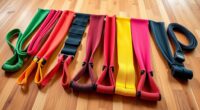
These options do different jobs, so the choice is not a straight contest of features. A support cushion can give a laboring person somewhere to lean or straddle, but it needs space and setup. A pocket guide is portable and useful for prompting position changes, yet it does not provide physical cushioning. I also include a patient turning belt, but its intended use is repositioning patients—not supporting labor positions—so it belongs here only with an important safety distinction.
Complete the kit


Key Takeaways
- For hands-on upright support: The CUB is the only product here built to support a laboring body directly; its single shape and manual inflation limit fit and convenience.
- For the most structured quick reference: The 30-card guide combines fetal-station organization with icons for rest, pain relief, and epidural-friendly positions.
- For a simple visual aid: The 33-page laminated guide uses color-coded pelvic levels and illustrations, though its content is less extensive.
- Do not confuse the turning belt with a labor support belt: It is described for patient transfers and repositioning, not labor comfort or unsupervised use.
- Match the aid to the user: Birth workers may value portable guides, while families seeking a physical posture aid should focus on the CUB and discuss its use with their care team.
| Comfortable Upright Birth (CUB) Support for Pregnancy, Labor and Birth |  | Best Overall for Physical Upright Support | Shape: Semicircular | Dimensions: 27.5 × 23.5 × 16 inches | Weight: 2.5 kg | VIEW ON AMAZON | See Our Full Breakdown |
| Labor Positions Pocket Guide for Nurses and Doulas |  | Best Quick-Reference Guide for Birth Workers | Format: 30-card pocket guide | Pages: 60 | Organization: High, mid, and low fetal station | VIEW ON AMAZON | See Our Full Breakdown |
| Labor Positions Pocket Reference Guide – 33-Page Birthing Tool for Doula, L&D Nurse & Midwife |  | Best Illustrated Guide for Simple Bedside Teaching | Pages: 33 | Format: Laminated pocket reference | Organization: High, mid, and low pelvic levels | VIEW ON AMAZON | See Our Full Breakdown |
| Patient Turning Belt Transfer Sling for Seniors – Medical Lifting Device with Handles (Blue) |  | Best for Caregiver Repositioning, Not Labor Support | Product type: Patient turning belt and transfer sling | Brand: NEPPT | Strap width: 17.8 inches | VIEW ON AMAZON | See Our Full Breakdown |
| labor position aids for comfort | Weight | Material | Portability | Format |
|---|---|---|---|---|
| Comfortable Upright Birth | 2.5 kg | Medical-grade PVC; listed as BPA-free, phthalate-free, and natural-latex-free | Inflatable and lightweight | — |
| Labor Positions Pocket Guide f | — | — | — | 30-card pocket guide |
| Labor Positions Pocket Referen | 2.39 ounces | — | Pocket size with drawstring pouch | Laminated pocket reference |
| Patient Turning Belt Transfer | 15.84 ounces | Polyester | — | — |
More Details on Our Top Picks
Comfortable Upright Birth (CUB) Support for Pregnancy, Labor and Birth
The CUB is the clearest choice when “labor position aid” means something the laboring person can lean on, straddle, or use to support an upright posture. Its semicircular, air-filled form gives a different kind of help from either pocket guide: rather than showing a position, it supplies a surface that may make a position more comfortable. The included manual pump, storage bag, and positioning guide add practical support for getting started at home, in a birth center, or in a hospital, subject to the care team’s guidance.
Compared with the two guides, the CUB has more direct comfort potential but asks for more room and preparation. It is lightweight for its size and can be deflated for storage, yet someone still needs to inflate it before use. The one listed size may not feel suitable to every body or preferred posture, and “medium firm” does not promise a particular feel for every user. Its PVC is listed as free of BPA, phthalates, and natural latex; shoppers wanting a fabric-covered or fully cushioned support should note that it is an inflatable surface.
I rank it first because it is the only option here designed as a physical labor-position support. The 30-card guide is more convenient when a worker needs to look up ideas quickly, but it cannot provide a place to rest the torso. Use should be planned with the birth team, especially if balance, mobility, or clinical monitoring affects which positions are appropriate.
Pros:- Supports upright positioning rather than offering guidance alone.
- Includes a manual pump, storage bag, and positioning guide.
- Inflatable form can be deflated for storage and transport.
- PVC is listed as BPA-free, phthalate-free, and natural-latex-free.
Cons:- Manual inflation adds setup work before use.
- Only one size is listed, so fit and comfort may vary.
- Requires enough floor or bedside space for safe positioning.
Best for: Expecting parents and birth teams seeking a portable, inflatable surface for supported upright or forward-leaning positions, with care-team guidance.
Not ideal for: People who need a soft, covered cushion, dislike manual inflation, have little room to set up, or need a support whose dimensions can be selected for a specific body size.
- Shape:Semicircular
- Dimensions:27.5 × 23.5 × 16 inches
- Weight:2.5 kg
- Material:Medical-grade PVC; listed as BPA-free, phthalate-free, and natural-latex-free
- Firmness:Medium firm
- Included:Manual pump, storage bag, and positioning and physiotherapy guide
- Portability:Inflatable and lightweight
- Warranty:30 days
Our verdict“Choose the CUB when your priority is a physical aid for supported upright labor positions and you can accommodate its setup and fixed size.”
Labor Positions Pocket Guide for Nurses and Doulas
When the main challenge is finding a relevant position quickly, this 30-card, 60-page guide has the most purposeful organization in the lineup. Its fetal-station sections—high, mid, and low—give nurses and doulas a way to browse positions by stage-related reference, while icons flag options described as epidural-friendly, restful, or pain-relieving. A multi-index that also points to needs and available tools may help a birth worker move from a broad concern to a practical prompt without searching through a long manual.
That makes it a stronger lookup tool than the 33-page laminated pocket reference, whose color-coded pelvic levels and drawings are straightforward but whose description provides fewer navigation features. The tradeoff is that this guide’s product details do not name the positions included, and they give little information about material or durability. The card format is intended for pocket use and one-handed access, but buyers should not assume that the deck’s construction will withstand heavy daily handling without more specific product information.
This is a reference aid, not a body-support aid. It may help a birth worker offer options, but it cannot cushion a knee, support a leaning torso, or replace clinical judgment. Compared with the CUB, it is easier to carry and consult, but it depends on a person translating a suggestion into a suitable position and having any needed props available.
Pros:- Organizes positions by high, mid, and low fetal station.
- Icons call out rest, pain-relief, and epidural-friendly options.
- Multi-index connects needs and available tools to position ideas.
- Pocket format is designed for one-handed reference.
Cons:- The supplied description does not specify which positions are included.
- Material and durability details are not clearly provided.
- Offers information rather than direct physical comfort support.
Best for: Nurses, doulas, midwives, and trainees who want a pocketable way to locate labor positions by fetal station, comfort goal, or available tools.
Not ideal for: Expecting parents seeking a physical support surface, or buyers who need a clearly listed position inventory and detailed durability information before purchase.
- Format:30-card pocket guide
- Pages:60
- Organization:High, mid, and low fetal station
- Icons:Epidural-friendly, rest, and pain-relief
- Indexing:Multi-index by needs and available tools
- Intended users:Nurses and doulas
Our verdict“Pick this guide over the 33-page reference when fast, multi-indexed lookup matters more than illustrated simplicity or a physical positioning prop.”
Labor Positions Pocket Reference Guide – 33-Page Birthing Tool for Doula, L&D Nurse & Midwife
This guide takes a more visual and tactile route than the 30-card pocket guide. Its color-coded tabs separate high, mid, and low pelvic levels, and hand-drawn illustrations give a birth worker a quick way to show how a position is arranged. The contents also reach beyond positions to breathing, massage, and a birth bag checklist, so it can serve as a compact teaching aid for a trainee or an expecting parent preparing for labor.
Compared with the 60-page guide, this one gives up some indexing depth for a more direct, illustrated layout. The laminated, pocket-size format and drawstring pouch are useful if the guide is carried between rooms or tucked into a work bag, while the 33-page length keeps the reference relatively concise. That compactness is also its limit: the supplied details do not promise coverage of advanced or niche techniques, and the drawings are described as simple. Readers who want a broad range of position options or detailed clinical instruction may need another resource alongside it.
I place it behind the 30-card guide for quick searching because the latter advertises a multi-index and icons for specific needs. This guide has the edge for showing a position at a glance, particularly when a visual explanation is more useful than a list. Neither booklet provides physical support, so it works best as a complement to the CUB or other care-team-approved positioning aids rather than a substitute for one.
Pros:- Color-coded tabs make pelvic-level sections easy to locate.
- Hand-drawn illustrations can help explain positions visually.
- Laminated pocket format is designed for portable use.
- Includes breathing, massage, and a birth bag checklist as well as positions.
Cons:- The 33-page format may leave out advanced or niche techniques.
- Simple illustrations may not meet every reader’s visual needs.
- Provides reference information, not physical support during a position.
Best for: Doula trainees, L&D nurses, midwives, and expecting parents who want a small illustrated reference with pelvic-level tabs and basic labor preparation topics.
Not ideal for: Buyers looking for a physical comfort prop, extensive advanced techniques, or detailed and highly polished illustrations.
- Pages:33
- Format:Laminated pocket reference
- Organization:High, mid, and low pelvic levels
- Contents:Positions, breathing, massage, and birth bag checklist
- Visuals:Hand-drawn illustrations
- Portability:Pocket size with drawstring pouch
- Weight:2.39 ounces
- Package dimensions:6.73 × 4.49 × 0.63 inches
Our verdict“Choose this compact illustrated reference when bedside visual teaching matters more than a larger indexed position deck.”
Patient Turning Belt Transfer Sling for Seniors – Medical Lifting Device with Handles (Blue)
This product differs from the other three in a way buyers should not overlook: it is described as a patient turning and transfer belt for bedridden or postoperative seniors, not a labor-positioning aid. Its 17.8-inch strap is intended to support the back during repositioning, with hook-and-loop fasteners that attach to bed rails. That function could matter in a care setting where a clinician is moving a patient, but it does not make the belt suitable for holding a laboring person in a posture or replacing a labor support prop.
Compared with the CUB, this belt is designed around caregiver-assisted movement rather than a person’s own supported upright positioning. It also differs from both guides, which provide information without fastening to a bed or bearing on the patient. The description names use on beds, wheelchairs, and car seats, but the supplied details do not specify labor use, maternity fit, or protocols for safe attachment. I would not repurpose it for labor comfort without explicit guidance from a qualified care professional.
The stated benefit is reduced caregiver strain during transfers, while the practical drawback is cleaning: the polyester material may require spot cleaning rather than machine washing. This is the lowest-ranked choice for the article’s core purpose, but it can be relevant to readers who also provide caregiving outside labor. Its inclusion should not blur the distinction between a transfer device and a birth-position aid.
Pros:- Wide 17.8-inch strap is described as supporting the back during repositioning.
- Handles and hook-and-loop fasteners are intended to aid caregiver-assisted movement.
- Portable polyester construction is described for use across beds, wheelchairs, and car seats.
- May help reduce caregiver strain during transfers when used as directed.
Cons:- Not described or specified as a labor-positioning aid.
- Spot cleaning may be needed; machine washing is not confirmed.
- Safe use depends on suitable training and an appropriate transfer setting.
Best for: Caregivers or clinical settings seeking a belt described for assisted turning and transfers of seniors or postoperative patients, following appropriate training.
Not ideal for: Anyone shopping specifically for labor comfort, a birth-position prop, or a belt to use without clinician instruction.
- Product type:Patient turning belt and transfer sling
- Brand:NEPPT
- Strap width:17.8 inches
- Material:Polyester
- Fastening:Hook-and-loop system
- Color:Blue
- Weight:15.84 ounces
- Package count:1
Our verdict“Do not choose this for labor comfort; consider it only for its stated patient-transfer purpose and with appropriate professional instruction.”

How We Picked
I ranked these products by how directly they address comfort through labor positioning, then by how clearly their design helps a laboring person or birth worker use them. The CUB leads because it offers physical support for upright postures rather than advice alone. The two pocket guides follow as reference tools; I distinguish them by the 30-card guide’s multi-index and use-case icons versus the laminated guide’s color-coded pelvic levels, illustrations, and pouch.
I also looked at portability, setup, stated materials, and the limits of the product details supplied. A guide’s compact format matters during bedside support, but it cannot replace an aid that bears or supports body weight. Likewise, the patient turning belt is included because it appears among the provided options, not because it is a labor comfort product. Its stated purpose is patient turning and transfers. I would not use it as a labor positioning aid unless a qualified clinician confirms an appropriate use. These rankings reflect the described functions and tradeoffs, not clinical testing or individual medical advice.
| labor position aids for comfort | Material | Portability | Organization |
|---|---|---|---|
| Comfortable Upright Birth | Medical-grade PVC; listed as BPA-free, phthalate-free, and natural-latex-free | Inflatable and lightweight | — |
| Labor Positions Pocket Guide f | — | — | High, mid, and low fetal station |
| Labor Positions Pocket Referen | — | Pocket size with drawstring pouch | High, mid, and low pelvic levels |
| Patient Turning Belt Transfer | Polyester | — | — |
Factors to Consider When Choosing Labor Position Aids For Comfort
I would start by deciding whether you need an aid that supports the body or one that helps someone choose and explain positions. These products do not serve interchangeable roles.Physical support or position ideas?
The CUB is the only direct physical support in this group. Its shape is intended to help with upright positioning, while both pocket guides act as references. A guide can help a birth worker suggest alternatives, but it cannot take weight off a tired arm or give someone a surface to lean against. If comfort means having a prop available, prioritize the CUB and discuss suitable use with the care team. If it means having position prompts ready, choose a guide.
Pick the guide that suits how you search
The 30-card guide fits buyers who want to locate options through fetal station, needs, and available tools, with icons for rest, pain relief, and epidural-friendly positions. The 33-page guide is more visual: color-coded pelvic levels and hand-drawn pictures may help when explaining a pose at bedside. The first has a more detailed navigation system in its description; the second lists extra topics such as breathing, massage, and a birth bag checklist. Neither description provides a complete inventory of positions, so buyers wanting particular techniques should confirm coverage before relying on either.
Think through setup, fit, and portability
A pocket guide is ready to carry and consult, while an inflatable support requires space and inflation. The CUB’s pump and storage bag help with transport, but its listed dimensions and single size may not suit every body or room. The laminated guide is explicitly pocket-sized and includes a pouch; the 30-card guide is also designed for one-handed pocket use, though its material details are limited. Consider where the aid will be stored and whether someone will be available to set it up.
Keep transfer equipment in its proper role
The turning belt is not described for labor positions. Its stated purpose is to support caregivers moving or turning seniors and postoperative patients. Do not treat it as a labor belt or positioning sling based only on its handles and strap. For any use involving patient movement, follow the product’s instructions and professional training. If the goal is labor comfort, choose among an appropriate support prop and reference guide rather than adapting transfer equipment without clinical direction.
Ask how the aid fits the birth plan
Positioning options can depend on mobility, monitoring, the stage of labor, and individual clinical circumstances. A reference card or support cushion can offer possibilities, but neither decides what is appropriate for a particular birth. I would ask the midwife, nurse, or obstetric clinician which positions and props fit the care plan, and how to use or clean any physical aid in that setting. That conversation is especially useful before bringing an inflatable support or unfamiliar equipment into a hospital room.
Frequently Asked Questions
Which of these products provides physical support during labor?
The CUB Support is the only product in this roundup described as a physical support for upright labor positions. The pocket guides offer information and illustrations, while the turning belt is described for patient transfers. Ask the birth team whether the CUB suits the room, position, and care plan before use.
What is the difference between the two labor position guides?
The 30-card guide emphasizes lookup, with fetal-station sections, a multi-index, and icons for rest, pain relief, and epidural-friendly options. The 33-page laminated guide emphasizes visual explanation through color-coded pelvic levels and hand-drawn illustrations, and it adds breathing, massage, and a birth bag checklist. Choose based on whether search tools or a concise visual reference matters more to you.
Is the patient turning belt suitable as a labor position aid?
The supplied product information describes it for repositioning or transferring seniors and postoperative patients, not for labor positioning. Its handles and wide strap do not establish that it is safe or suitable for supporting someone in labor. I would not repurpose it for that use unless a qualified clinician specifically advises it and explains safe use.
Can a labor position guide replace advice from a midwife or nurse?
No. A guide can help a birth worker or family discuss possible positions, but it cannot account for a person’s clinical circumstances, monitoring, mobility, or changing needs. Use the guide as a prompt for discussion, and follow the care team’s direction about which positions and props are appropriate.
What should I check before bringing an inflatable support into a birth setting?
Check the dimensions, available floor space, inflation process, storage needs, and any cleaning or facility rules. The CUB includes a manual pump and storage bag, but its listed size is fixed and it needs setup before use. Ask the birth setting and care team whether the aid can be used safely with the planned positions and monitoring.
Conclusion
For a buyer seeking a physical aid for upright labor comfort, I would start with the CUB, provided its size and setup suit the room and the care team approves its use. For a nurse, doula, or midwife who wants organized prompts, the 30-card guide is the stronger quick-reference choice; choose the laminated 33-page guide instead when illustrations, pelvic-level tabs, and a pouch matter more. I would leave the turning belt out of a labor comfort kit unless a clinician confirms a specific role, since its listed purpose is patient repositioning. The best choice depends on whether you need support for the body, a prompt for position changes, or equipment for a separate caregiving task.