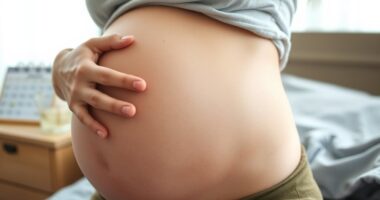
To prepare for postpartum recovery, focus on strengthening your pelvic floor muscles through regular Kegel exercises—contract as if stopping urination, hold, then relax, repeating daily. Prioritize nutrient-dense foods, stay well-hydrated, and avoid processed sugars to support healing and tissue repair. Good nutrition, combined with consistent pelvic exercises, helps prevent incontinence and pelvic discomfort, setting a strong foundation for recovery. Keep exploring ways to optimize your postpartum healing journey.

Turn the school run and nap time into listening time
- Thousands of audiobooks, podcasts and originals
- Listen on your phone, tablet or Echo — also offline
- Cancel anytime
Key Takeaways
- Start pelvic floor exercises, like Kegels, early postpartum to strengthen muscles and prevent incontinence.
- Maintain a nutrient-rich diet with fruits, vegetables, lean proteins, and whole grains to support tissue healing.
- Stay well-hydrated, especially if breastfeeding, to promote recovery and prevent constipation.
- Gradually increase the intensity and duration of pelvic exercises for optimal pelvic stability.
- Consult healthcare providers for personalized guidance on postpartum recovery and pelvic floor health.

Are you wondering how to best prepare for postpartum recovery? One crucial aspect often overlooked is your pelvic floor health. After giving birth, your pelvic muscles might feel weak or stretched, which can lead to issues like incontinence or pelvic discomfort if not properly addressed. Starting with pelvic muscle exercises, commonly called Kegel exercises, can significantly strengthen these muscles, helping you regain control and support for your bladder, uterus, and rectum. These exercises are simple to do and can be integrated into your daily routine. To perform them, contract your pelvic muscles as if you’re trying to stop urinating midstream, hold the contraction for a few seconds, then relax. Repeat this process multiple times a day, gradually increasing the duration as your muscles get stronger. Consistency is key; over time, these exercises will help restore muscle tone and improve your overall pelvic stability. Recognizing the importance of pelvic floor health can motivate you to stay committed to your recovery routine.
Alongside pelvic muscle exercises, paying attention to postnatal nutrition plays a vital role in your recovery. Proper nutrition fuels your body’s healing process and helps rebuild energy stores depleted during childbirth. Focus on incorporating nutrient-dense foods like fruits, vegetables, lean proteins, whole grains, and healthy fats into your meals. These provide essential vitamins and minerals, such as iron, calcium, and vitamin C, which support tissue repair and boost your immune system. Hydration is equally important, so make sure you’re drinking enough water throughout the day, especially if you’re breastfeeding. Adequate hydration helps prevent constipation, which can put additional strain on your pelvic muscles and slow down recovery. Avoid processed foods and excessive sugar, as they can lead to inflammation and sluggish healing. Instead, aim for balanced meals that promote tissue repair, reduce swelling, and keep your energy levels stable.
Customizing your postpartum plan to include pelvic muscle exercises and proper nutrition can make a significant difference in your recovery journey. Remember, every woman’s experience is unique, so listen to your body and consult your healthcare provider for personalized advice. Incorporate these practices gradually and be patient with your progress. Rest is also essential; giving your body time to heal will enhance your recovery efforts. By focusing on strengthening your pelvic muscles and supporting your body with nourishing foods, you’re setting a solid foundation for a smoother postpartum journey. With consistency and care, you’ll be able to regain strength, reduce discomfort, and enjoy this new chapter of motherhood more fully.
Top picks for "prepar postpartum recovery"
As an affiliate, we earn on qualifying purchases.
Frequently Asked Questions
When Should I Start Pelvic Floor Exercises Postpartum?
You should start pelvic floor exercises as soon as your healthcare provider gives you the okay, usually within a few days after delivery. Prioritize your pelvic health by gradually incorporating gentle exercises to strengthen your pelvic muscles and support recovery. Exercise timing is vital, so listen to your body and avoid overexertion. Consistency helps, but always follow your provider’s advice to guarantee safe and effective postpartum pelvic health.
Are There Specific Signs of Pelvic Floor Issues to Watch For?
You should watch for signs like pelvic discomfort and urinary leakage, which can indicate pelvic floor issues. If you experience persistent pain, a feeling of heaviness, or leakage when sneezing or coughing, it’s time to consult your healthcare provider. These symptoms suggest your pelvic muscles might need extra support or treatment. Addressing these early helps prevent long-term problems and promotes a smoother recovery.
Can Postpartum Activities Harm My Pelvic Floor Recovery?
Did you know that nearly 60% of women experience pelvic floor issues postpartum? Activities like pelvic floor stretching and improper postpartum workout timing can harm your recovery if done too soon or incorrectly. You should avoid high-impact exercises and heavy lifting until your healthcare provider clears you. Focus on gentle, guided pelvic floor exercises to promote healing, and always listen to your body to prevent setbacks in your postpartum recovery.
How Long Does It Typically Take for Pelvic Floor Muscles to Heal?
Pelvic floor healing usually takes about six to eight weeks, but it varies for each person. During this time, you should focus on gentle postpartum exercises to support recovery. Avoid strenuous activities early on, and listen to your body. Consistent, mindful postpartum exercises help strengthen your pelvic floor muscles, speeding up healing. If you experience pain or discomfort, consult your healthcare provider to make sure of proper recovery and avoid setbacks.
Is It Safe to Resume All Exercises Immediately Postpartum?
You shouldn’t jump into all exercises immediately postpartum. Focus on gentle core strengthening and pelvic floor exercises first, and gradually add aerobic activities as your body heals. Listen to your doctor’s advice, and avoid high-impact movements or heavy lifting until you get clearance. Taking it slow helps prevent injuries and guarantees your pelvic floor recovers properly, so you stay safe and comfortable during your postpartum journey.
Conclusion
Taking care of your pelvic floor now can make a big difference in your postpartum recovery. Did you know that nearly 50% of women experience some form of pelvic floor dysfunction after childbirth? By staying active, practicing gentle exercises, and listening to your body, you’ll support your healing process. Remember, your body is amazing and capable of recovery—trust the process and give yourself grace during this special time. You’ve got this!
Halloween Picks
halloween
As an affiliate, we earn on qualifying purchases.