TL;DR

Get baby and family essentials delivered free — and shop member deals
- Fast, free delivery on millions of items
- Access to Prime Big Deal Days deals on October 6–7
- Prime Video, Amazon Music and more included
York’s city-wide potty training pilot was linked to a fall in reception pupils not fully toilet-trained, from 148 in September 2025 to 85 this year. About 20 local authorities in England are signed up to adopt or are considering a similar approach, but the figures do not establish that the scheme alone caused the reduction.
A York potty training pilot was linked to a 43% reduction in children starting reception who were not fully toilet-trained, with about 20 local authorities in England now signed up to adopt or considering a similar approach. Figures collected from the city’s 55 mainstream primary schools showed 85 of 1,374 new reception pupils were not fully toilet-trained this year, compared with 148 of 1,364 in September 2025.
The figures equate to around 6% of this year’s intake, down from approximately 11% the previous September. The reported 43% reduction refers to the number of children not fully toilet-trained, rather than the percentage-point change in the share of pupils. The figures were gathered from all 55 mainstream primary schools in York.
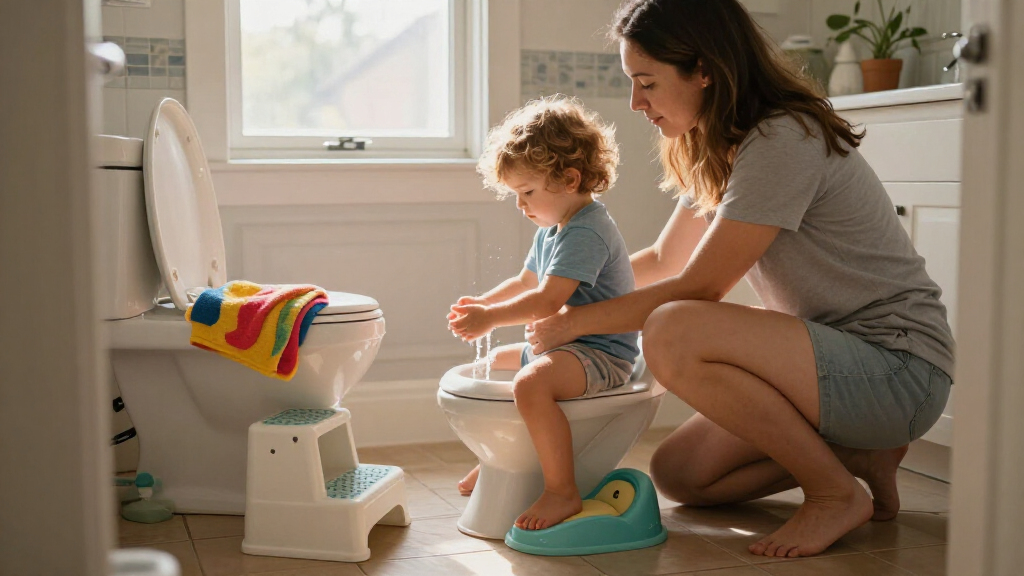
About 1,700 households whose children were due to start reception this September received potty training guides with their school-place information in April. The wider city-wide approach also offered families practical information and support through workshops, nurseries, schools, GP surgeries, pharmacies, libraries and family hubs.
The scheme was developed with children’s charity Kindred Squared. Its stated aim was to help children gain confidence using the toilet independently before school, while recognising that this may not be appropriate for some children because of medical needs or special educational needs. The source report says around 20 councils are signed up to adopt a similar approach or are considering it; it names North Lincolnshire, Suffolk, Solihull, Rotherham, Hampshire, Halton, Redbridge, Hounslow and Cheshire West and Chester.
Classroom Effects and School Readiness
Toilet independence can affect children’s experience of starting school, as well as the demands on classroom staff. Kindred Squared chief executive Felicity Gillespie said teachers in the charity’s annual school-readiness surveys reported losing the equivalent of a day a week of teaching time supporting children unable to use the toilet independently. That is an attributed finding from the charity’s surveys, not a measure of time recorded in the York pilot.
The source report says safeguarding procedures require two adults to change a child’s nappy, meaning staff may have to leave the classroom. Reducing the number of children needing those changes could affect how schools allocate staff and maintain classroom activity. The reported York results may give councils a model to test, but they do not establish that the same outcome will occur elsewhere.
The issue also intersects with children’s wellbeing and access needs. The scheme’s stated focus on helping families rather than blaming them matters because toilet training does not proceed in the same way for every child. Support and individual circumstances are central to judging what the figures mean, alongside any effect on school routines.
As an affiliate, we earn on qualifying purchases.
How York Built Its Pilot
York sent guidance to families with children due to begin reception in September, including it with their school-place information in April. The approach went beyond a leaflet: families could also access advice through local services and early-years settings. This city-wide delivery was intended to make support available in places parents already use.
The results compare two reception intakes: 148 of 1,364 pupils in September 2025 and 85 of 1,374 in the intake reported this year. The source describes the change as a 43% reduction in the number not fully toilet-trained. It does not provide further detail about how the schools assessed toilet-training status or whether the pupil groups were otherwise comparable.
The pilot comes amid broader attention to children’s readiness for school. Kindred Squared research cited in the report suggests around one in four children starting reception in England and Wales last year were not fully toilet-trained. The Government, meanwhile, aims to raise the proportion of children achieving a good level of development by the end of reception from 68.3% to 75% by 2028, according to the figures and target reported in the source.
“It was very much about supporting parents, not blaming parents.”
— Gail Brown, chief executive of Ebor Academy Trust
As an affiliate, we earn on qualifying purchases.
What the Figures Cannot Establish
The reported comparison shows a fall between two reception intakes, but the available information does not show that the pilot alone caused it. No details are given about other changes between the years, how toilet-training status was defined or measured, or whether the results were independently evaluated. The 43% figure should therefore be read as the reported change in the number of pupils, not proof of a direct causal effect.
It is also not clear which of the roughly 20 local authorities have formally adopted the model and which are still considering it, or when wider programmes will begin. The report names nine authorities but does not give a full list or a rollout timetable. It does not provide results from those councils.
The source does not break down the York figures by children’s needs or explain how support was tailored for pupils for whom independent toileting is not appropriate. The stated exception for medical and special educational needs means that the headline measure does not, by itself, describe the circumstances of each child or the support they may require.
As an affiliate, we earn on qualifying purchases.
Councils Weigh Wider Adoption
About 20 local authorities are signed up to adopt or are considering an approach based on York’s model, according to the source report. The next useful evidence will be details on which councils proceed, when support begins and how outcomes are measured. No timetable or common evaluation plan is provided in the material available.
The Government’s stated target is to increase the share of children achieving a good level of development by the end of reception from 68.3% to 75% by 2028. The source does not say that the potty training scheme is a formal part of meeting that target. Further results from local rollouts would help show whether York’s reported change can be replicated and how programmes account for children who need different forms of support.
As an affiliate, we earn on qualifying purchases.
Key Questions
What does the 43% reduction refer to?
It refers to the reported fall in the number of York reception pupils not fully toilet-trained: from 148 in September 2025 to 85 this year. Their share of the intake fell from about 11% to about 6%.
What did the York scheme involve?
About 1,700 households received potty training guides with school-place information. Families could also access practical information and support through workshops and community services, including nurseries, GP surgeries, libraries and family hubs.
Has the scheme been adopted across England?
The source says around 20 local authorities are signed up to adopt or are considering a similar approach. It does not give a complete list or confirm that all have started a programme.
Does the York comparison prove the scheme caused the reduction?
No. The figures compare two reception intakes, but the information provided does not establish that the pilot alone caused the change or explain whether other factors differed between the years.
Does the scheme apply to every child?
The stated aim was to support toilet independence before school, except where medical needs or special educational needs mean this is not appropriate. The source does not describe individual plans or the support available for each child.
Source: rss
Halloween Picks
halloween
As an affiliate, we earn on qualifying purchases.