
Integrating grandparents and elders into your family enhances communication, creating understanding across generations. By involving them in caregiving, storytelling, and cultural traditions, you strengthen family bonds and nurture respect. Elders share wisdom and stability, enriching your children’s development. Ensuring everyone feels valued and respecting boundaries fosters harmony. When you embrace intergenerational collaboration, your family benefits from shared experiences and deeper connections. Continue exploring this approach for more tips on creating a cohesive, nurturing household.
Key Takeaways
- Foster open communication to understand each generation’s perspectives and establish mutual respect.
- Clearly define roles and boundaries to balance caregiving responsibilities among parents and elders.
- Encourage elders to share cultural traditions and life lessons to strengthen family identity.
- Promote active involvement of elders in child-rearing and family activities for bonding.
- Address elders’ needs compassionately, ensuring they feel valued and respected within the family dynamic.

Have you ever wondered how raising children across multiple generations influences parenting styles? When you bring grandparents and elders into the mix, the dynamics of family life shift in meaningful ways. One of the most essential aspects of this integration is intergenerational communication. Open, respectful conversations between different age groups help bridge gaps in understanding and foster a sense of unity. You might find that elders offer timeless wisdom and life lessons, but it’s important to create space where your children feel comfortable expressing themselves. Encouraging intergenerational communication involves active listening, patience, and validation, enabling everyone to share their perspectives without feeling dismissed. This exchange enriches children’s development, exposing them to diverse viewpoints and cultural values. At the same time, it helps elders stay connected to modern parenting trends, reducing the risk of misunderstandings or outdated beliefs influencing caregiving practices. Additionally, understanding the importance of color accuracy in home environments can help create a more harmonious and visually comfortable space for everyone involved. Elder caregiving becomes a central part of multigenerational parenting, especially when grandparents or older relatives play a hands-on role in raising children. It’s important to recognize that elder caregiving isn’t just about assistance; it’s about sharing responsibilities and respecting each other’s boundaries. As you navigate this arrangement, you’ll notice that elders often bring patience, stability, and a wealth of experience to the table. However, it’s equally indispensable to address their needs and limitations. Supporting elders in their caregiving roles involves clear communication about expectations and providing emotional or physical assistance when necessary. Ensuring they feel valued and respected encourages a harmonious environment that benefits everyone involved. Involving elders in your children’s lives can also serve as an opportunity to strengthen family bonds. You might see grandparents taking on storytelling roles, helping with homework, or simply providing a comforting presence. These interactions not only foster a sense of continuity but also reinforce cultural traditions and family values. As you balance the responsibilities of parenting with elder caregiving, remember that effective communication is the foundation. It helps prevent conflicts and misunderstandings, ensuring that everyone feels included and appreciated. By actively engaging with your elders and promoting positive intergenerational communication, you create a nurturing environment where children benefit from the combined wisdom of their ancestors and the support of their immediate family. This approach ultimately enriches your family’s legacy and promotes a cohesive, caring household.

6Pcs Communication Board for Non Verbal Adults Picture Symbol Communication Cards Speech Therapy Tools for Autism Toddlers Kids Aphasia Stroke Patients Hospital Care Home Use Talking Placemats
Package includes: This set includes 6 communication boards, each designed with different themes to help individuals express their…
As an affiliate, we earn on qualifying purchases.
As an affiliate, we earn on qualifying purchases.
Frequently Asked Questions
How Can Grandparents Effectively Set Boundaries With Grandchildren?
You can effectively set boundaries with your grandchildren by establishing healthy boundaries and using respectful communication. Clearly explain your limits in a kind, calm manner, and listen to their feelings. Consistency is key; reinforce boundaries gently but firmly. Show respect for their perspective, and encourage open dialogue. This approach helps build mutual understanding and trust, making it easier for everyone to respect each other’s roles and maintain a positive relationship.
What Are Common Conflicts Between Generations in Parenting Roles?
You often face conflicts due to intergenerational communication and differing cultural expectations. These conflicts happen when grandparents and parents have contrasting views on discipline, education, or traditions. You might find yourself caught between respecting elders’ advice and modern parenting methods. Steering through these disagreements requires open dialogue, patience, and understanding. By acknowledging each other’s perspectives and finding common ground, you can foster harmony and strengthen your family’s multigenerational bonds.
How Does Multigenerational Living Impact Child Development?
Ever wonder if living with multiple generations is a recipe for chaos or cultural treasure? It actually boosts child development by enhancing intergenerational communication and preserving cultural heritage. Kids learn values firsthand, see diverse viewpoints, and gain a sense of belonging. Sure, occasional debates might pop up, but the rich tapestry of shared stories and traditions outweighs the chaos, shaping well-rounded, culturally aware individuals.
What Legal Considerations Exist for Grandparents’ Involvement?
You should understand that grandparents’ involvement is influenced by legal rights and custodial laws. These laws vary by state and can determine visitation rights or custody arrangements. To guarantee your grandparents can participate in your child’s life, you might need to seek legal counsel or court approval. Being aware of these legal considerations helps you protect your child’s best interests while respecting your grandparents’ role in your family.
How Can Families Balance Tradition and Modern Parenting Methods?
You can balance tradition and modern parenting by openly discussing your parenting philosophies with grandparents, respecting their experiences while sharing your values. Incorporate cultural preservation by involving elders in traditions and stories, ensuring they feel valued. Encourage a collaborative approach where both perspectives coexist, fostering mutual respect. This way, you honor your heritage while embracing contemporary methods, creating a harmonious environment that benefits your child’s development and strengthens family bonds.
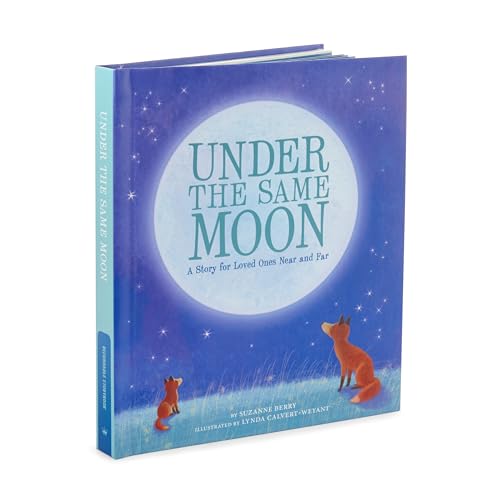
Hallmark Under The Same Moon Recordable Storybook
Miles may separate you from your little one, but no matter where you are, you're both looking up…
As an affiliate, we earn on qualifying purchases.
As an affiliate, we earn on qualifying purchases.
Conclusion
By weaving grandparents and elders into your family tapestry, you create a rich mosaic of love, wisdom, and tradition. Their presence is like the steady roots of a mighty tree, grounding your family while allowing new growth to flourish. Embrace this multigenerational bond, for it’s the gentle river that nourishes your family’s soul, ensuring that love and legacy flow seamlessly through generations, shaping a future rooted in shared history and enduring connection.

Caregiving Daily Logbook: Caregiver Report Sheet For The Elderly, Seniors, Assisted Living Patients, Long Term Care & Aging Parents
As an affiliate, we earn on qualifying purchases.
As an affiliate, we earn on qualifying purchases.

42PCS Stencils for Painting Peace and Love Stencil Set, 4Inch Plastic Paint Stencils, Reusable DIY Drawing Template for Crafts, Wood, Canvas, Paper, Fabric, Walls, Furniture Motivational Art Design
Abundant Variety with 42PCS Peace and Love Stencils:This 42-piece set of 4×4 inch plastic stencils for painting offers…
As an affiliate, we earn on qualifying purchases.
As an affiliate, we earn on qualifying purchases.