
TL;DR

Get baby and family essentials delivered free — and shop member deals
- Fast, free delivery on millions of items
- Access to Prime Big Deal Days deals on October 6–7
- Prime Video, Amazon Music and more included
Kids’ ergonomic backpacks are designed to promote healthy posture and reduce back strain. Look for adjustable straps, lumbar support, and lightweight materials to keep your child comfortable and safe.
Ever notice how your child’s backpack looks like it’s swallowing their tiny frame? Or how they complain about back aches after a long day? The truth is, many kids carry backpacks that do more harm than good. But the good news? An ergonomic backpack designed with the right features can prevent future back problems and make school days more comfortable.
In this article, you’ll learn what makes a backpack truly ergonomic, the latest innovations, and practical tips to pick one that supports your child’s health. Because when their backpack fits just right, it’s a game changer.
Choose backpacks that fit snugly against your child’s back with adjustable, padded straps.
Limit the load to no more than 10-15% of your child’s body weight to prevent back pain.
Look for recent features like weight sensors and eco-friendly materials for added safety and sustainability.
Regularly check fit and teach proper lifting to protect your child’s developing spine.
Invest in ergonomic backpacks early—it’s a simple step that supports long-term health.
What Makes a Backpack Truly Ergonomic for Kids?
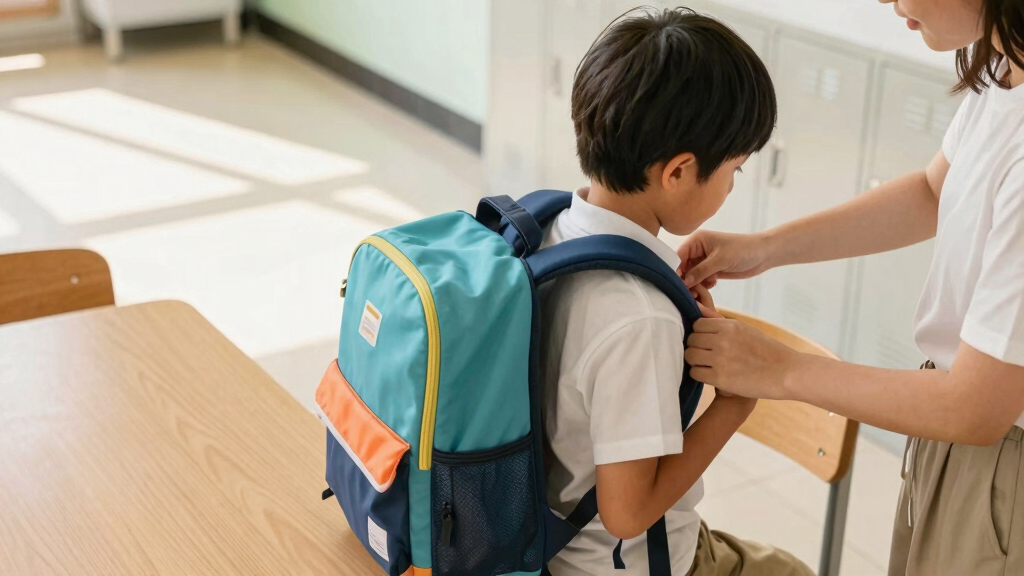
Ergonomic backpacks are designed to fit your child’s body and distribute weight evenly. Think of it like a well-fitted shoe—if it’s too big or too tight, discomfort follows. Look for adjustable padded straps that keep the pack snug against the back. The bottom of the pack should sit at or just above the hips, not dangling below the waist.
For example, a 10-year-old girl carrying a backpack that’s too bulky or poorly fitted can strain her shoulders and back. An ergonomic model with padded straps, a supportive back panel, and a size proportionate to her frame makes all the difference. The goal: a snug fit that stays close to the body, preventing unnecessary tension and helping maintain good posture.
Understanding these features matters because poor fit can lead to uneven weight distribution, causing muscle strain, postural issues, and long-term back problems. The tradeoff is choosing a backpack that’s lightweight but still offers enough support—sometimes a more supportive pack may weigh a bit more, but the health benefits outweigh the extra weight.
ergonomic kids backpack with adjustable straps
As an affiliate, we earn on qualifying purchases.
As an affiliate, we earn on qualifying purchases.
How to Tell if a Backpack Fits Your Child Perfectly
- Check the bottom edge: it should rest at or just above the waist, not hanging below the hips. This position ensures the load is centered over the pelvis, reducing strain on the spine and shoulders.
- Adjust the straps: they should be tight enough to keep the pack close to the back without causing discomfort or cutting into shoulders. Proper adjustment distributes weight evenly, preventing slouching or leaning forward.
- Test the fit: have your child stand straight and lift the pack slightly. If it feels balanced and doesn’t sway or pull, it’s a good sign. A poorly fitting pack shifts weight, leading to uneven load distribution and potential discomfort.
- Observe their posture: a well-fitted backpack encourages an upright stance, which is crucial for healthy development. Slouching or leaning forward can indicate poor fit or excessive weight.
Regularly checking and adjusting the fit as your child grows helps prevent discomfort and long-term issues. Remember, a proper fit isn’t just about comfort—it’s about supporting healthy musculoskeletal development and avoiding future back problems.
As an affiliate, we earn on qualifying purchases.
Latest Innovations in Kids’ Ergonomic Backpacks
Technology and design are transforming kids’ backpacks faster than ever. Smart backpacks now come with built-in weight sensors alerting you when the load exceeds 10-15% of your child’s weight—according to pediatric guidelines. These sensors can help you make informed decisions about what your child carries, encouraging lighter loads and healthier habits.
Eco-friendly fabrics, like recycled polyester, are gaining popularity, making these backpacks kinder to the planet. Modular designs allow kids to customize their packs, removing or adding compartments as needed, which encourages better organization and weight distribution. Lightweight frames—think of them as the skeleton—support heavy loads without adding extra weight itself, reducing overall strain.
These innovations mean your child’s backpack isn’t just a bag; it’s a health-supporting tool that adapts to their needs and environment. By integrating smart features, sustainable materials, and ergonomic design, manufacturers are creating backpacks that actively promote better posture and comfort, rather than just carrying gear.
lightweight ergonomic school backpack for children
As an affiliate, we earn on qualifying purchases.
As an affiliate, we earn on qualifying purchases.
Key Facts Every Parent Should Know About Kids’ Back Health
Did you know that carrying a backpack improperly can increase the risk of back pain by 50% in children? According to pediatric studies, the safe weight limit for a child’s backpack is no more than 10-15% of their body weight. For example, a 70-pound child should carry no more than about 10 pounds. Exceeding this limit can cause muscle fatigue, spinal misalignment, and long-term postural problems, especially if worn incorrectly or consistently overloaded.
For elementary and middle school students, who often carry multiple books and supplies, choosing an ergonomic backpack is vital. Proper fit, weight management, and correct carrying habits can prevent issues that might persist into adolescence and beyond. Investing in a backpack that encourages good habits and provides adequate support can be a simple yet effective step toward safeguarding their back health as they grow.
As an affiliate, we earn on qualifying purchases.
Common Questions Parents Ask About Kids’ Ergonomic Backpacks
- How do I know if a backpack is ergonomic? Look for adjustable straps, padded back panels, and a size that fits snugly against your child’s back. Check for features that promote even weight distribution and support proper posture. Regularly reassess fit as your child grows to ensure continued comfort and support.
- What weight should my child’s backpack be? Keep it under 15% of their body weight. Weigh their backpack regularly and teach them to pack only what’s necessary, avoiding unnecessary items that add extra weight.
- When should my child start using an ergonomic backpack? As soon as they begin carrying books daily—usually in elementary school. Introducing ergonomic principles early helps establish good habits and prevents strain as their loads increase.
- Are ergonomic backpacks more expensive? They can be, but investing in a well-designed backpack often saves money long-term by reducing the risk of back problems and associated health issues.
- Can ergonomic backpacks prevent back pain? Yes, when properly fitted, lightweight, and used correctly, ergonomic backpacks significantly reduce strain. The key is ensuring correct fit, proper weight, and good carrying habits.
Quick Tips to Keep Your Child’s Backpack Fit and Safe
- Regularly check and adjust straps as your child grows to maintain proper fit and support.
- Encourage packing only what’s necessary—lighten the load to prevent fatigue and strain.
- Teach proper lifting techniques: bending knees and lifting with legs reduces stress on the back.
- Choose models with padded straps, lumbar support, and reflective safety elements for visibility.
- Opt for lightweight frames and multiple compartments to distribute weight evenly and prevent uneven strain.
Frequently Asked Questions
How do I know if a backpack is ergonomic for my child?
Check if it fits snugly against their back, has adjustable padded straps, and the bottom rests at or above the hips. Regularly assess fit as they grow.What is the ideal weight for a child’s backpack?
Keep it under 10-15% of their body weight. For example, a 70-pound child should carry no more than about 10 pounds.At what age should children start using ergonomic backpacks?
As soon as they begin carrying books daily, typically in elementary school. Proper fit becomes increasingly important as loads grow.Are there specific brands known for quality ergonomic backpacks?
Brands like Osprey, Deuter, and Ergobaby are recognized for ergonomic features, but always check for proper fit and adjustable straps regardless of brand.Can ergonomic backpacks prevent back pain?
Yes, when they are well-fitted, lightweight, and used correctly, ergonomic backpacks significantly reduce the risk of back strain and discomfort.Conclusion
Think of an ergonomic backpack as a trusted partner in your child’s health journey—supporting their back, posture, and confidence every day. When you choose carefully and keep an eye on fit, you’re not just buying a bag. You’re investing in their comfort and future well-being.
So next time you’re shopping, imagine your child’s back as a delicate garden—gentle care and the right support make all the difference. Because when their backpack fits just right, they can carry on confidently, pain-free, and ready for anything.
Fall Picks
fall essentials
As an affiliate, we earn on qualifying purchases.