
TL;DR

Turn the school run and nap time into listening time
- Thousands of audiobooks, podcasts and originals
- Listen on your phone, tablet or Echo — also offline
- Cancel anytime
Czechia announced plans to ban mobile phones in all schools starting September 2027. The move aims to enhance student focus and reduce distractions. Details on implementation and opposition are still emerging.
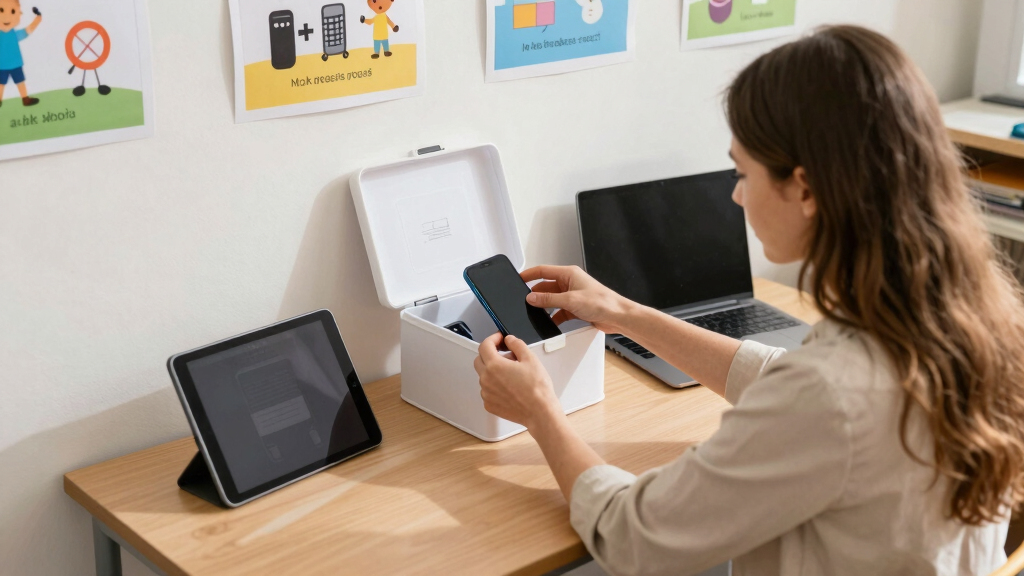
Czechia will implement a nationwide ban on mobile phones in schools starting in September 2027, according to the government’s recent announcement. The policy aims to reduce distractions among students and improve the learning environment, making it a significant change in the country’s educational approach.
The Czech government approved legislation on April 2024 that will prohibit students from using mobile phones during school hours, effective from the start of the 2027/2028 academic year. The law applies to all primary and secondary schools across the country.
Officials stated that the move is intended to foster better concentration, reduce cyberbullying, and promote face-to-face interaction among students. The law is expected to include provisions for schools to enforce the ban, with penalties for non-compliance.
Education Minister Jana Nováková emphasized that the policy aligns with broader efforts to improve student well-being and academic performance, citing studies suggesting excessive phone use can hinder learning outcomes.
Impact on Czech Education System and Student Well-being
This decision signals a major shift in Czech educational policy, potentially influencing classroom dynamics and student behavior. It reflects growing concerns worldwide about the impact of mobile phones on learning and mental health. The ban could serve as a model for other countries considering similar measures, but it also raises questions about enforcement and digital literacy.
kids' classroom anti-distraction device
As an affiliate, we earn on qualifying purchases.
As an affiliate, we earn on qualifying purchases.
Previous Efforts and Global Trends in School Phone Policies
Several countries have experimented with restrictions on mobile phone use in schools, with mixed results. In 2021, France implemented a nationwide ban, citing improved concentration and reduced bullying. Similarly, Italy and Spain have introduced partial bans or restrictions. In Czechia, debates over phone use have been ongoing, with some schools already restricting phones informally.
The move to formalize the ban in Czechia follows a growing international trend aimed at balancing technology use with educational benefits. The legislation’s passage is part of broader reforms to modernize Czech education and address student mental health concerns.
“While we support reducing distractions, enforcement will require clear guidelines and support for teachers.”
— Czech Teachers’ Association spokesperson
children's educational tablet without internet
As an affiliate, we earn on qualifying purchases.
As an affiliate, we earn on qualifying purchases.
Implementation Challenges and Public Response Unclear
It is not yet clear how the Czech government plans to enforce the ban or how schools will support students and teachers in adapting to the new rules. The response from parents, students, and educators remains uncertain, with some expressing concerns about digital literacy and access to emergency communication.
school emergency communication device for kids
As an affiliate, we earn on qualifying purchases.
As an affiliate, we earn on qualifying purchases.
Legislative Details and School-Level Preparations Pending
Details on enforcement mechanisms, penalties, and support measures are expected in the coming months. Schools will likely begin preparing for the policy implementation, including staff training and communication with parents. The government may also conduct pilot programs or consultations to refine the approach before the law takes effect.
child-friendly classroom organizer
As an affiliate, we earn on qualifying purchases.
As an affiliate, we earn on qualifying purchases.
Key Questions
Will students be allowed to use phones outside of school hours?
Yes, the ban applies only during school hours. Students will be allowed to use their phones before and after school, as well as during breaks if permitted by individual schools.
What penalties will schools face for non-compliance?
The specifics are still being developed, but the legislation is expected to include fines or other disciplinary measures for schools that do not enforce the ban effectively.
How will the ban affect students who rely on their phones for emergencies?
The law is expected to include provisions for emergency communication, such as designated phone use during certain times or access to school phones in emergencies. Details are still emerging.
Are there concerns about digital literacy or access to technology?
Some educators and parents have raised concerns about students’ digital skills and access to online resources, which could be impacted by the ban. These issues are likely to be addressed in future policy discussions.
Source: hn
Cold & flu season Picks
humidifiers
As an affiliate, we earn on qualifying purchases.