
Many parents believe sterilizing bottles is always necessary, but that’s a myth. For healthy babies in clean environments, thorough soap and water cleaning usually suffice for daily use. Sterilization is most important for newborns, babies with weak immune systems, or during illness. Methods like boiling are effective, while UV sterilizers are safe as an extra step. Continuing to explore can help you understand when sterilizing truly matters versus when soap keeps your baby safe.

Turn the school run and nap time into listening time
- Thousands of audiobooks, podcasts and originals
- Listen on your phone, tablet or Echo — also offline
- Cancel anytime
Key Takeaways
- Daily cleaning with soap and water is sufficient for healthy babies in clean environments.
- Sterilization is crucial for newborns, immune-compromised infants, or during illness.
- UV sterilizers are an effective supplement but shouldn’t replace boiling for complete safety.
- Boiling is the most reliable method for eliminating bacteria and pathogens on baby bottles.
- Over-sterilizing is unnecessary if bottles are properly cleaned and the baby is healthy.
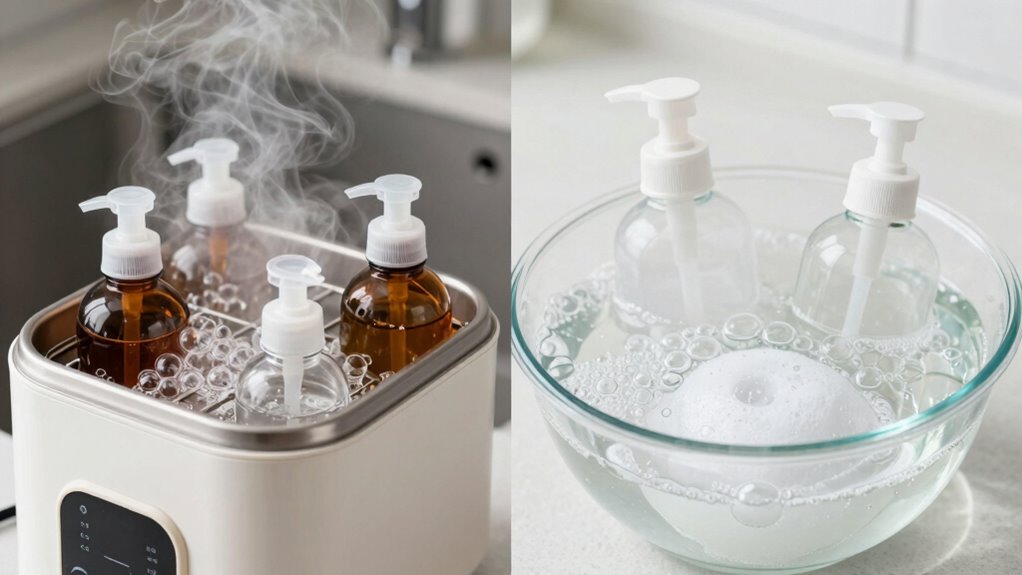
Have you ever wondered if sterilizing bottles is truly necessary for your baby’s health? Many parents ask this question, especially with the variety of sterilization methods available today. You might have heard about UV sterilization as a modern, high-tech option or feel confident just boiling bottles in water. Understanding when each method is necessary can help you make informed decisions and avoid unnecessary steps.
UV sterilization uses ultraviolet light to kill bacteria and viruses on your baby’s bottles. It’s quick, convenient, and often marketed as a more efficient alternative to traditional boiling. While UV sterilizers can effectively sanitize bottles without the use of chemicals, they aren’t a complete replacement for boiling safety in all situations. For instance, UV sterilizers don’t remove physical debris or milk residues, so thorough cleaning with soap and water remains essential before UV treatment. Plus, UV sterilization doesn’t penetrate crevices or textured surfaces as well as boiling water does, which means some bacteria might still survive if the bottle isn’t cleaned properly first. Consequently, UV sterilization is best used as an additional step after washing rather than the sole method of sterilization, especially during times of illness or if your baby has a compromised immune system.
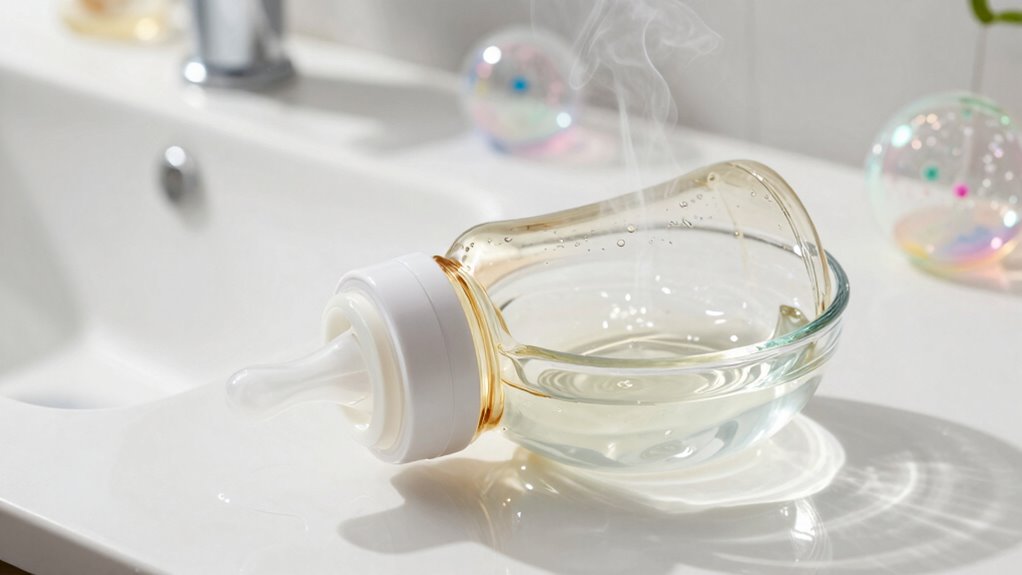
Boiling safety is a tried-and-true method that has stood the test of time. When you boil bottles in water, you’re not only killing bacteria but also ensuring that any potential pathogens are destroyed. Boiling is simple: submerge bottles, nipples, and other parts in boiling water for at least five minutes. It’s a reliable method that doesn’t rely on electricity or special equipment, making it accessible and cost-effective. However, you need to be cautious with boiling safety—make sure bottles are heat-resistant and won’t crack or warp from high temperatures. Also, avoid sudden temperature changes, and always handle hot items carefully to prevent burns. While boiling is highly effective, it does require more time and effort compared to UV sterilization or using sterilizer machines.
In most cases, soap and water are enough for daily cleaning of bottles, especially if your baby is healthy and your environment is clean. Proper washing removes milk residues and dirt that can harbor bacteria. You only need to sterilize bottles when your baby is very young, during illness, or if recommended by your pediatrician. Choosing the right sterilization method based on your circumstances can help ensure your baby’s safety without overdoing the process. By understanding when to rely on boiling safety or UV sterilization versus just soap and water, you can keep your baby safe without overdoing the sterilizing process. Remember, cleanliness and proper handling matter most—sterilization methods are just tools to help you achieve that.
As an affiliate, we earn on qualifying purchases.
Frequently Asked Questions
Is Sterilizing Necessary for Breastfed Babies Exclusively?
Sterilizing bottles isn’t necessary for exclusively breastfed babies because their immune systems are strong, and they benefit from breastfeeding benefits like antibodies. If you’re using expressed milk or formula, bottle sterilization may be more important, especially for newborns or preemies. Generally, thorough soap cleaning and boiling or sterilizing only when recommended by your pediatrician ensures safety without overdoing it. Trust your instincts and follow your doctor’s guidance for your baby’s health.
Can Sterilizing Harmful Bacteria Also Eliminate Beneficial Probiotics?
Sterilizing can harm beneficial probiotics by killing good bacteria along with harmful ones, disrupting the bacterial balance in your baby’s gut. If you’re only cleaning bottles for everyday use, soap and hot water are usually enough to preserve probiotic preservation. Sterilizing is more important during illness or for preemies, but for healthy, full-term babies, gentle cleaning helps maintain the bacterial balance essential for their immune development.
How Often Should I Sterilize Bottles in a Day?
You should sterilize your bottles once a day as part of your daily sterilizing routines, especially if your baby is under three months, immunocompromised, or has health issues. If your bottles are thoroughly washed with soap and hot water after each use, additional sterilization isn’t necessary. However, for added safety, particularly during initial use or illness, sterilizing more frequently can provide extra peace of mind.
Are Plastic Bottles Safe to Sterilize With Boiling Water?
Are plastic bottles safe to sterilize with boiling water? Yes, but only if they’re marked as heat-resistant or dishwasher safe. Plastic safety varies, and boiling effects can cause some plastics to warp or degrade, potentially releasing harmful chemicals. Always check the label before boiling plastic bottles. If unsure, opt for sterilization methods like boiling water for glass bottles or using sterilizing solutions to avoid risks.
Does Sterilizing Prevent All Possible Infections in Infants?
Sterilizing reduces the risk of infections in infants, but it doesn’t eliminate all dangers. Regularly sterilize milking equipment and pacifiers, especially for newborns or those with compromised immune systems. Proper cleaning with soap and water is often enough for everyday use, but sterilize when your baby is ill or during early months. Consistent hygiene helps protect your little one from harmful bacteria and keeps their environment safe.
As an affiliate, we earn on qualifying purchases.
Conclusion
Remember, not every situation calls for sterilizing your bottles; soap and hot water often do the trick. For example, studies show that over 90% of bacteria are removed with thorough washing, making sterilizing unnecessary for everyday use. Only in specific cases, like ill babies or compromised immune systems, should you take extra steps. So, trust your judgment—sometimes, good cleaning is all you need, and sterilizing can be reserved for those special moments.
As an affiliate, we earn on qualifying purchases.
As an affiliate, we earn on qualifying purchases.
Halloween Picks
halloween
As an affiliate, we earn on qualifying purchases.