

Understanding the difference between gagging and choking is essential for your baby’s safety during BLW. Gagging is a natural reflex where your baby clears their mouth with coughing and spitting, but they can still breathe easily. Choking, however, happens when the airway is blocked, and your baby may struggle to breathe or turn blue. Recognizing these signs helps you respond quickly and confidently—keep going to learn how to keep your little one safe every step of the way.

Turn the school run and nap time into listening time
- Thousands of audiobooks, podcasts and originals
- Listen on your phone, tablet or Echo — also offline
- Cancel anytime
Key Takeaways
- Gagging is a normal reflex with visible effort and coughing, while choking involves inability to breathe and a silent or panicked appearance.
- Signs of gagging include wide mouth opening and forceful coughing, whereas choking shows signs like blue lips and no breathing.
- Recognizing the difference ensures appropriate response: encourage safe gagging versus immediate emergency action for choking.
- Offering age-appropriate, soft foods and supervision reduces choking risk during BLW.
- Parents should learn emergency techniques like back blows or Heimlich maneuver to handle choking effectively.
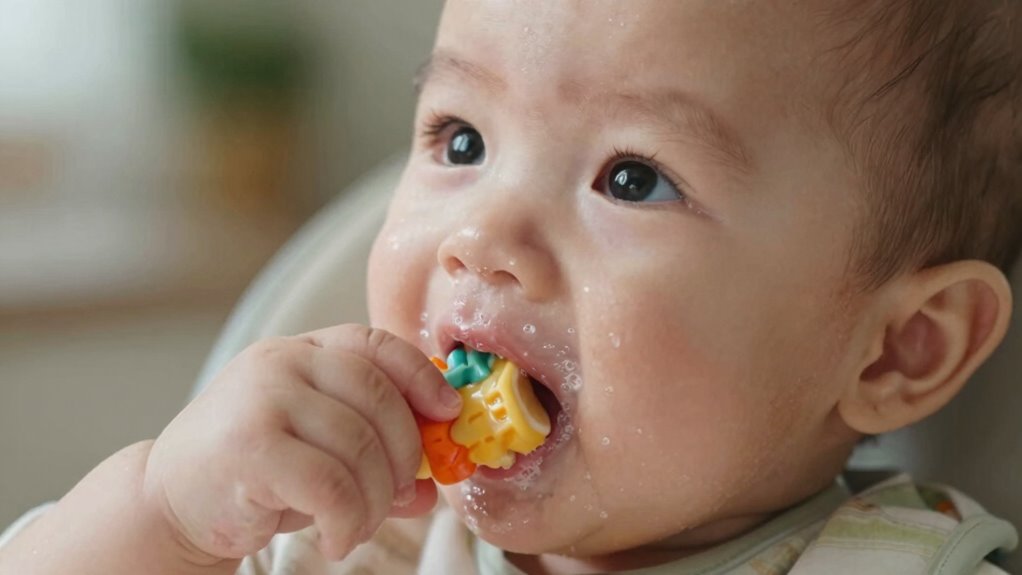
When your baby is learning to eat solids through Baby-Led Weaning (BLW), it’s natural to worry about choking and gagging. These fears often stem from the concern about your baby’s safety while exploring new textures and foods. To help ease these worries, it’s important to understand the difference between choking and gagging, and how to respond appropriately. Starting with safe foods is essential. Offering appropriately-sized, soft, and easy-to-mash foods reduces the risk of choking. Think soft-cooked vegetables, ripe fruits, and well-cooked pasta—foods that your baby can manage safely. Avoid hard, small, or sticky foods that could easily block the airway. Always supervise your baby during meals, and create a calm, distraction-free environment to help them focus on eating.
Recognizing the difference between gagging and choking is key to responding effectively. Gagging is common as your baby’s mouth and throat learn to handle new textures. It looks intense, with lots of spitting, coughing, and a red face, but it’s usually a natural reflex to prevent choking. Choking, on the other hand, is a medical emergency. It happens when a piece of food completely blocks the airway, preventing your baby from breathing. When this occurs, your instinct should be to act quickly. Stay calm, and immediately perform the Heimlich maneuver or back blows if you’re trained, or call emergency services if needed. Knowing emergency response techniques beforehand can make all the difference in these critical moments.
Recognize gagging from choking to respond effectively and keep your baby safe during solids.
It’s also helpful to watch for signs that your baby is gagging rather than choking. Gagging involves the whole mouth opening wide, with visible effort, and your baby may cough forcefully. They might also spit out food as part of the gag reflex. Choking, however, results in the inability to breathe, a silent or panicked look, and a blue tint around the lips if the airway is completely blocked. Staying alert to these cues helps you respond swiftly and appropriately, reducing anxiety during meal times. Additionally, understanding how safe eating practices can further minimize risks is an important part of infant feeding safety.
Your confidence in understanding these differences and being prepared with emergency response skills can make BLW a safer, more enjoyable experience for both you and your baby. Remember, the goal is to foster independence and healthy eating habits, but safety always comes first. By offering safe foods and knowing what to do in emergencies, you can support your baby’s growth while minimizing risks. With practice and knowledge, you’ll be better equipped to support your little one as they explore new foods confidently and safely.
Products Worth Considering

LEGO Icons Tranquil Garden Building Set – Japanese Zen Garden DIY Kit for Adults, 10315

LEGO Star Wars Imperial Star Destroyer Building Toy – Build & Display Set for Ages 10+, Gift for Birthdays, Darth Vader & 6 Minifigures – 75

Nanit Smart Baby Monitor System with Floor Stand and 8-Inch Display
As an affiliate, we earn on qualifying purchases.
Frequently Asked Questions
How Can I Prevent Choking During BLW?
To prevent choking during BLW, choose safe food choices like soft fruits, cooked vegetables, and small, manageable pieces. Always supervise your baby closely and observe the timing of solids, ensuring they’re ready for more textured foods. Sit with your baby during meals, encourage slow eating, and cut foods into appropriate sizes. Trust their gag reflex, but stay alert to prevent any risk of choking.
What Signs Indicate My Baby Is Gagging Instead of Choking?
You might worry about confusing gagging with choking, but signs differ. When your baby gags, their tongue reflex pushes food forward, and they often make facial expressions like grimacing or sticking out their tongue. They may cough or clear their throat, but their breathing remains steady. If they’re choking, you’ll notice difficulty breathing, a weak or silent cry, and inability to cough or move. Recognizing these signs helps you respond quickly.
When Should I Seek Emergency Help for Choking?
If your baby shows persistent trouble breathing, turns blue, or cannot cough or cry, seek emergency response immediately. These signs indicate a high choking risk and require urgent action. Don’t hesitate to call emergency services if you suspect choking, as swift intervention can save your baby’s life. Always stay calm, perform basic first aid if trained, and prioritize getting professional help to address the choking risk effectively.
Are Certain Foods More Likely to Cause Gagging or Choking?
In the age of dial-up internet and instant messaging, you should know certain foods pose higher choking hazards. Foods like nuts, grapes, popcorn, and hard candies are more likely to cause choking, while softer foods like cooked vegetables or ripe fruits tend to trigger gagging. For food safety, always cut foods into manageable sizes and supervise your little one during meals to prevent choking incidents.
How Do I Train My Baby to Chew Safely?
To train your baby to chew safely, start by offering foods with age-appropriate textures that encourage chewing, like soft, mashed foods or small, manageable pieces. Be patient and watch for signs of teething relief, as teething discomfort can affect chewing. Gently guide your baby to chew thoroughly before swallowing, and always supervise mealtimes. Consistent practice helps your baby develop safe chewing habits while easing teething discomfort.
Conclusion
Understanding the difference between choking and gagging can save your child’s life. Did you know that most gagging is a natural reflex to protect your baby, while choking can be deadly if not handled quickly? Staying calm and knowing what to look for empowers you as a parent. Trust your instincts and always supervise mealtime. Being informed makes all the difference—your quick action could be the reason your little one stays safe and healthy.