
Breathing monitors track your respiration patterns, sleep quality, and heart rate variability to give you insights into your health and wellbeing. While they can highlight irregular breathing, disruptions in sleep, or stress levels, they can’t diagnose medical conditions like sleep apnea or predict future health issues. These devices serve as useful tools to boost awareness but have limitations. Keep exploring to understand how they can support your health journey more effectively.
Key Takeaways
- They track respiration rate, breathing patterns, sleep quality, and heart rate variability to provide health insights.
- They cannot diagnose medical conditions like sleep apnea or predict future health issues.
- Data accuracy can be affected by movement, device placement, and sensor limitations.
- They serve as tools for awareness and motivation but do not replace professional medical advice.
- They offer valuable internal response monitoring but require proper interpretation within overall health context.
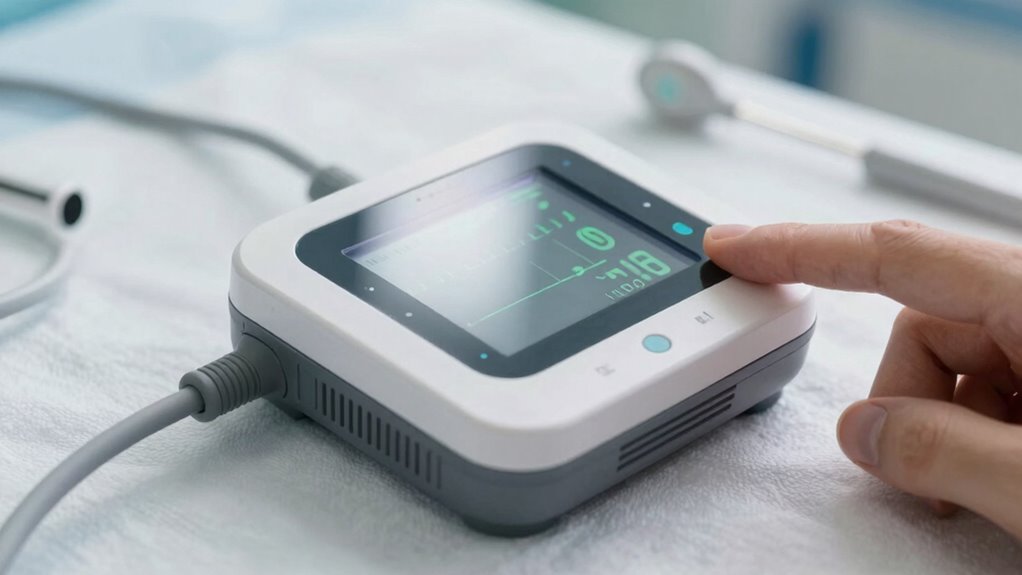
Have you ever wondered how you can monitor your breathing in real time? Breathing monitors have become popular tools for tracking not just your respiration rate, but also other essential signs that reveal your overall health. These devices often focus on measuring your breathing patterns, but many also provide insights into sleep quality and heart rate variability, giving you a broader picture of your well-being. When used correctly, they can help you understand how your body responds to stress, exercise, and rest. Additionally, some models incorporate sensor technology to improve data accuracy and usability. However, it’s important to remember that while they offer valuable data, they don’t promise to diagnose or prevent health issues on their own.
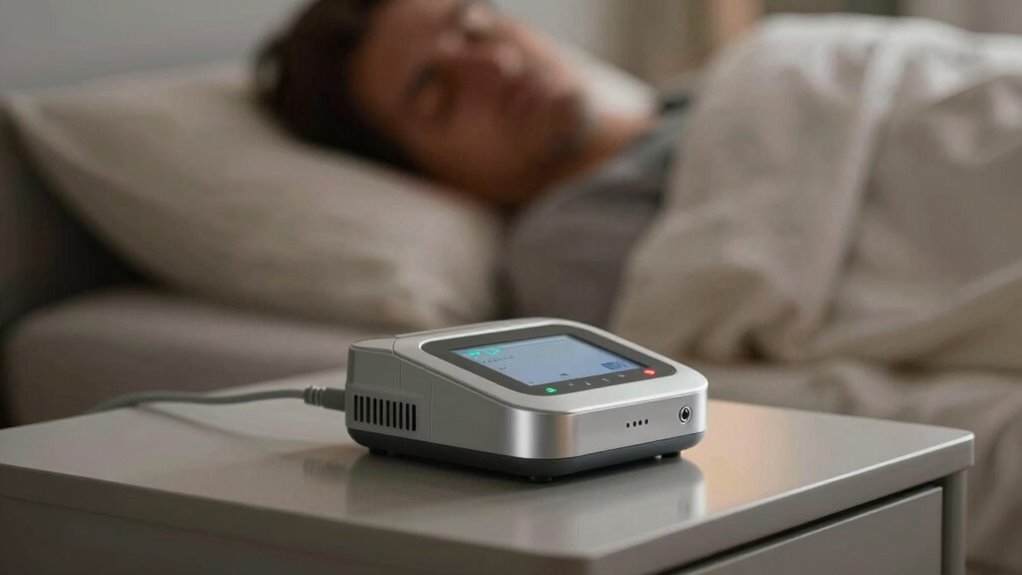
Many breathing monitors are designed to track your sleep quality by analyzing your breathing patterns during different sleep stages. For example, irregular or shallow breaths might indicate disrupted sleep or conditions like sleep apnea. By detecting these patterns, you can gain awareness of how well you’re resting and identify habits or conditions that might be impairing your sleep. Improved sleep quality, in turn, contributes to better overall health, mood, and daytime functioning. Some monitors also measure heart rate variability— the fluctuations in time between heartbeats—which reflects your autonomic nervous system activity. High heart rate variability typically indicates a relaxed state and good resilience to stress, while low variability can suggest stress, fatigue, or health concerns. Monitoring these parameters alongside breathing patterns offers a more holistic understanding of your body’s internal responses.
Breathing monitors analyze sleep stages and heart rate variability for a holistic view of your health and rest quality.
Despite their capabilities, breathing monitors aren’t foolproof. They rely on sensors and algorithms that may not be perfectly accurate for everyone. Factors like movement, skin contact, or device placement can influence the data’s reliability. Moreover, these devices can highlight potential issues but don’t diagnose medical conditions. For example, noticing irregular breathing patterns doesn’t mean you have sleep apnea, but it might prompt you to consult a healthcare professional for further testing. They also can’t predict future health problems or replace medical advice, so it’s essential to interpret their data as part of a broader health picture.
In essence, breathing monitors serve as helpful tools for gaining insight into your sleep quality and heart rate variability. They can motivate healthier habits and alert you to possible concerns, but they shouldn’t be viewed as definitive health solutions. Use them as a guide, not a guarantee, and remember that ongoing medical care remains necessary for maintaining ideal health. By understanding both their strengths and limitations, you can make informed decisions about how these devices fit into your wellness routine.
Frequently Asked Questions
Can Breathing Monitors Detect Anxiety or Emotional States?
Breathing monitors can give you clues about emotional detection and stress monitoring, but they can’t definitively identify anxiety or emotional states. When your breathing pattern changes, the device might alert you to heightened stress levels, but it doesn’t read your mind. Use it as a helpful tool for awareness, not a diagnostic device. Pay attention to other signs and consult a professional if you’re concerned about your emotional health.
Are Breathing Monitors Suitable for Children or the Elderly?
Did you know that nearly 75% of parents worry about their child’s safety while asleep? Breathing monitors are generally suitable for children and the elderly, helping with child safety and elderly monitoring. They track breathing patterns and alert you to irregularities, giving you peace of mind. Just make certain the device is age-appropriate and used under supervision, so it provides accurate support for your loved ones’ health and safety.
Do These Devices Require Medical Supervision for Accurate Readings?
You don’t necessarily need medical oversight for breathing monitors to get accurate readings, but it’s recommended, especially for critical use. Make certain the device is properly calibrated before use, as incorrect calibration can lead to inaccurate data. While these devices are helpful, consulting a healthcare professional is wise if you notice irregularities or if you rely on the monitor for health decisions, to ensure safety and reliability.
How Do Environmental Factors Affect Breathing Monitor Accuracy?
Environmental factors like air quality and temperature fluctuations can considerably impact your breathing monitor’s accuracy. Poor air quality, filled with pollutants or allergens, can lead to inaccurate readings, while sudden temperature changes may cause device sensitivity issues. You should be aware of these influences, monitor your environment, and understand that these factors can distort your device’s data, emphasizing the importance of maintaining stable conditions for reliable readings.
Can Breathing Monitors Predict Future Health Issues or Emergencies?
Breathing monitors can’t reliably predict future health issues or emergencies due to their predictive limitations. They primarily track current breathing patterns and alert you to anomalies, but false alarms are common. You shouldn’t depend solely on them for emergency predictions. Instead, use them as supplementary tools alongside regular health checkups, and always consult healthcare professionals for any concerns about your respiratory health or potential emergencies.
Conclusion
Breathing monitors can provide valuable insights into your respiratory health, but they aren’t miracle devices. They can track your breathing patterns and alert you to potential issues, yet they can’t diagnose or prevent serious conditions on their own. So, while these gadgets are useful tools, shouldn’t you also consult healthcare professionals for a complete picture of your health? Remember, technology can support you, but it shouldn’t replace expert advice. Are you ready to take control of your well-being?