
Baby walkers can give your infant a feeling of freedom and exploration, but they come with significant risks. Injuries from falls are common, often delaying natural walking development. While these devices might seem fun, they don’t enhance motor skills and can lead to unsafe walking postures. Safer alternatives, like stationary activity centers and push toys, promote healthier development. Keep in mind, understanding the full scope of baby walkers’ impact is important for your child’s safety.
Key Takeaways
- Baby walkers may provide infants a sense of freedom but do not aid in walking development and can hinder natural progression.
- Over 230,600 injuries related to baby walkers were reported from 1990 to 2014, primarily due to falls and collisions.
- Experts warn that walkers can delay crawling and walking, potentially hindering muscle growth and motor skills development.
- Safer alternatives like stationary activity centers and push toys encourage exploration without the risks associated with baby walkers.
- Baby walkers have faced bans in Canada and ongoing advocacy for stricter regulations in the United States due to safety concerns.

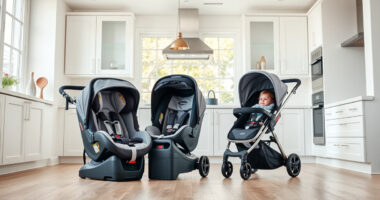
Graco Modes Pramette Stroller, 3-in-1 Baby Stroller, 3 Modes: Infant Car Seat Carrier (Car Seat Not Included), Infant Pramette to Toddler Stroller with Reversible Seat and One-Hand Fold, Redmond
3-in-1 Design: Transitions from Car Seat Carrier to Infant Pramette to Toddler Stroller
As an affiliate, we earn on qualifying purchases.
Understanding Baby Walkers
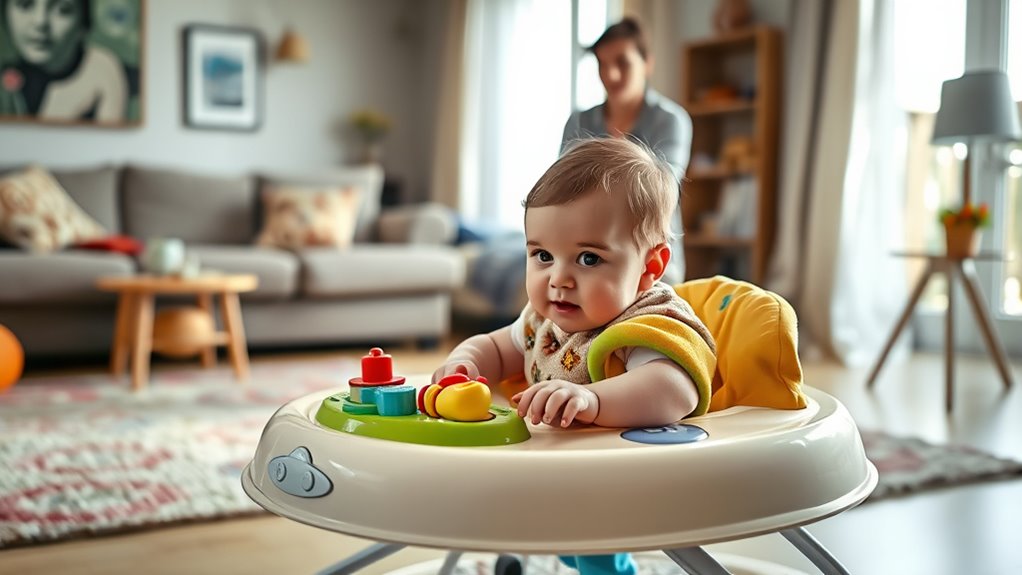
When you think about baby walkers, it’s essential to understand their purpose and potential risks.
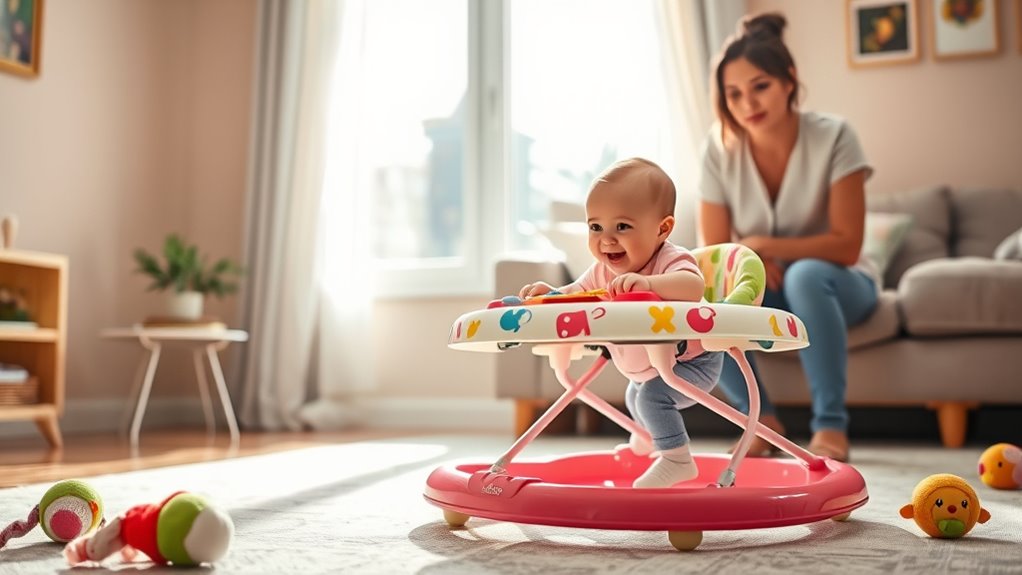
Baby walkers are designed to help infants aged 4 to 16 months move around, but they don’t actually aid in walking development. In fact, using baby walkers can hinder your baby’s natural progression, leading to unsafe walking postures and delayed motor skills. Additionally, the use of baby walkers may lead to emotional manipulation in the form of parents feeling pressured to use them despite safety concerns. To promote a healthier development, parents should focus on resetting, recovering, and restarting their baby’s motor learning journey in safer ways.
The American Academy of Pediatrics has raised significant safety concerns, noting that over 230,600 injuries associated with walkers were reported from 1990 to 2014, many involving dangerous falls. Even with supervision, babies can move quickly, increasing the risk of accidents.
Over 230,600 injuries related to baby walkers were reported from 1990 to 2014, highlighting significant safety concerns.
Instead of walkers, consider safer alternatives that support your baby’s development without compromising safety. For instance, engaging in regular exercise can enhance your baby’s motor skills and overall strength.

Guiseapue Universal Stroller Organizer with Cup Holder: Baby Essentials, Stroller Caddy Accessories with Detachable Phone Bag, Non-Slip Straps, Fits for Uppababy, Baby Jogger, New Moms Baby Gifts
Large Capacity: The stroller organizer has two cup holders and a large storage space, providing you with enough...
As an affiliate, we earn on qualifying purchases.
Safety Risks Associated With Baby Walkers
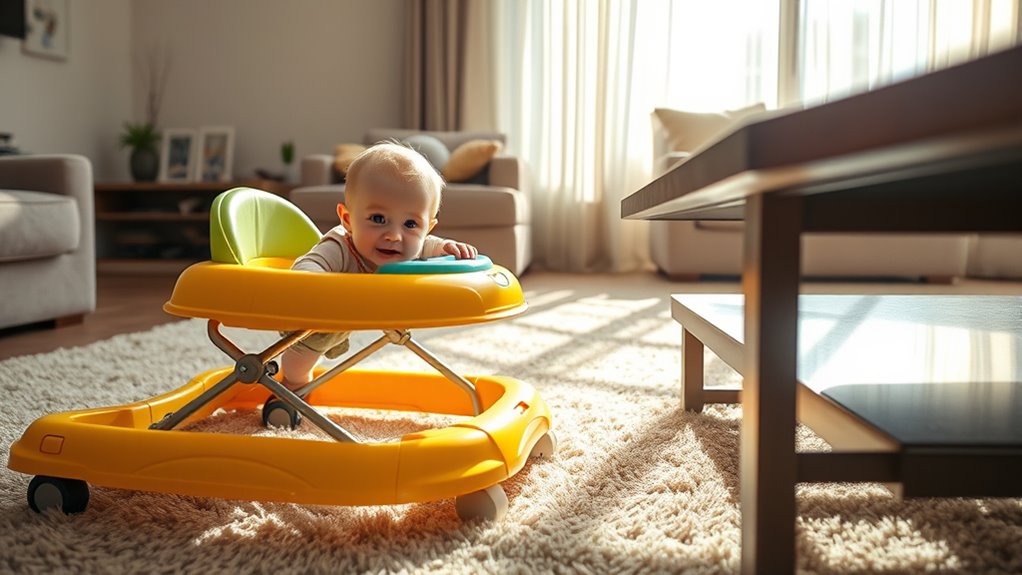
Despite their popularity, baby walkers pose significant safety risks that parents should be aware of. The dangers associated with these devices are alarming:
- Injuries caused: Over 230,600 injuries linked to baby walkers were reported between 1990 and 2014, with most involving falls down stairs.
- Rapid movement: Babies can move fast—over 3 feet in just one second—leading to severe accidents, including burns and drowning. Essential oils, such as eucalyptus oil, can be beneficial for soothing respiratory distress that might occur after a fall. Additionally, audiometric testing is important for assessing any hearing issues that may arise from accidents.
- No developmental benefits: Contrary to belief, baby walkers may delay your child’s ability to learn to walk by hindering essential movements like crawling.
- Safety regulations: Experts, including the AAP, consider baby walkers unsafe and advocate for stricter safety regulations or a ban due to their risks.
Additionally, creating safe and supportive living spaces can enhance your child’s quality of life as they grow and develop. Your child’s safety should always come first, so consider these factors carefully.

UPPAbaby Vista V3 Convertible Single-to-Double Stroller for Baby & Toddler, 30+ Configurations, Car Seat Compatible, All-Wheel Suspension, XL Basket – Kenzi (Mystic Aqua/Carbon Frame)
DESIGNED TO FIT EVERY FAMILY: The reimagined Vista V3 Stroller offers 30+ configurations to grow with your family...
As an affiliate, we earn on qualifying purchases.
Pros and Cons of Using a Baby Walker

While baby walkers can offer infants a sense of freedom and exploration, it’s vital to weigh their benefits against the significant risks they pose.
On one hand, infant walkers might enhance emotional health and provide developmental advantages by allowing movement. However, they don’t improve walking ability and may hinder proper muscle growth, delaying your child’s walking development. Studies show that digital literacy programs can help caregivers better understand child safety measures, which is crucial when using baby walkers. Additionally, understanding the best interests of the child can guide parents in making informed decisions about their child’s safety and development.
Infant walkers can promote emotional health but may hinder muscle growth and delay walking development.
The rapid movement can lead to serious walker-related injuries, with statistics showing over 230,600 incidents in the U.S. due to falls and collisions. Additionally, improper use can prevent natural falling, a key part of learning to walk. Pet therapy can enhance emotional well-being, which is crucial for infants as they explore their environment.
Ultimately, the potential safety risks, including access to dangerous areas, outweigh any minor developmental benefits, making it essential to prioritize your child’s safety.
Amazon Product B09VS3C74Y
As an affiliate, we earn on qualifying purchases.
Safe Alternatives to Baby Walkers

If you’re looking for safer ways to support your baby’s development, there are several effective alternatives to traditional baby walkers. Consider these options:
- Stationary activity centers: These let infants engage in play without the risks of rapid movement.
- Push toys: These encourage walking while providing stability and support for standing babies.
- Playpens and play yards: They offer a secure space for infants to explore and develop motor skills safely.
- High chairs: These allow older infants to interact with toys while minimizing the risk of falls.
Additionally, convertible play tables and jumpers can promote healthy leg alignment and mobility without the dangers associated with walkers. Including these alternatives helps ensure a safe environment for your little one.
Legal Status and Guidelines on Baby Walkers
As you explore safer alternatives to baby walkers, it’s important to understand their legal status and the guidelines surrounding their use.
In Canada, baby walkers have been banned since April 2004 due to serious injuries, with nearly 2,000 incidents reported among children aged 5 to 14 months.
The U.S. Consumer Product Safety Commission (CPSC) implemented safety regulations in 2010, yet injuries persist. Advocacy groups argue these regulations are inadequate and have pushed for a federal ban for over 30 years.
Some states, like Washington and California, prohibit baby walkers in child day-care facilities.
However, federal law complicates banning baby walkers, as the CPSC must prove it’s the only viable option, hindering progress toward better children’s safety in walking patterns.
Frequently Asked Questions
Why Is Walker Not Recommended for Babies?
Walkers aren’t recommended for babies because they can lead to serious injuries. You might think they help your child walk, but studies show they don’t aid development and can even slow it down.
Babies using walkers move too quickly, increasing the risk of falls and accidents, even with supervision. Plus, they may develop improper walking patterns, negatively affecting their motor skills.
It’s safer to let your baby explore movement naturally.
Do Pediatricians Recommend Baby Walkers?
Pediatricians’ recommendations about baby walkers are like a warning sign at a dangerous intersection—you should pay attention.
Most pediatricians don’t recommend using baby walkers due to their association with serious injuries and lack of developmental benefits. They emphasize that walkers can actually delay walking milestones and lead to unnatural movement patterns.
Instead, they encourage safe spaces for babies to explore and develop their skills naturally, promoting healthier growth and mobility.
What Are the Disadvantages of a Baby Walker?
You mightn’t realize that baby walkers can delay your child’s walking ability. They can lead to serious injuries, like falls or burns, due to the speed at which infants move.
Additionally, relying on a walker may hinder your child’s development of essential motor skills and proper weight-bearing techniques.
You’ll want to evaluate these disadvantages carefully before deciding if a walker is the right choice for your little one.
Is It Too Early to Put My Baby in a Walker?
You might think your baby’s ready to zoom around in a walker, but hold on!
It’s essential to guarantee their head’s steady and they’re developmentally prepared first. If they’re still wobbling like a newborn giraffe, it’s definitely too early.
Rushing this process could lead to delays in walking skills. Trust me, waiting a bit longer can help your little one develop properly and safely.
Conclusion
In summary, while baby walkers might seem like a nifty way to help your little one get around, they come with significant risks that can’t be ignored. Think of them as the modern-day chariots of fire; they may look appealing, but safety should always come first. Instead, consider safe alternatives to support your baby’s development. By prioritizing safety, you’ll guarantee your child’s journey to walking is both enjoyable and secure.