Choosing the right iMac for photographers in 2027 means balancing raw processing power with the color fidelity required for professional editing. The Apple 2024 iMac with M4 Chip stands out as the best overall choice, offering superior single-core performance and a stunning Retina display that renders sRGB and P3 color gamuts with exceptional accuracy. For those needing legacy software compatibility or larger screen real estate, the renewed 27-inch Intel iMac models remain relevant despite being discontinued, though they lack the modern efficiency of Apple Silicon. The primary tradeoff lies between the longevity and thermal efficiency of the new M4 architecture versus the expandability and screen size of older Intel-based units. Continue reading to explore how these machines compare in real-world editing workflows and which model fits your specific photographic needs.

Turn the school run and nap time into listening time
- Thousands of audiobooks, podcasts and originals
- Listen on your phone, tablet or Echo — also offline
- Cancel anytime
Complete the kit


Key Takeaways
- The M4 chip provides a significant leap in single-core performance, drastically reducing export times for high-resolution RAW files compared to older Intel Core i5 and i7 processors.
- Renewed 27-inch Intel iMacs offer the only option for photographers who require screen sizes larger than 24 inches within the iMac ecosystem, despite lacking modern efficiency features.
- Base model M4 iMacs with 256GB SSDs are often insufficient for photographers storing local libraries, making external storage a mandatory addition to the budget.
- Color accuracy on the newer 24-inch Retina displays is factory-calibrated for P3 wide color, offering a more accurate preview for print and digital sharing than many third-party monitors.
- The M1 iMac remains a viable entry-point for hobbyists, but its 8GB RAM configuration creates bottlenecks when multitasking between Lightroom and Photoshop.
| Apple iMac 27-Inch Desktop, 3.4 GHz Intel Core i7, 16 GB RAM, 1TB HDD (Renewed) | 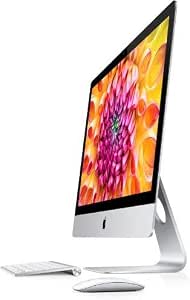 | Best Budget for Large Screen Needs | Processor: 3.4 GHz Intel Core i7 | Memory: 16 GB DDR3 SDRAM | Storage: 1TB HDD | VIEW ON AMAZON | See Our Full Breakdown |
| Apple 2024 iMac All-in-One Desktop Computer with M4 Chip, 24-inch Retina Display | 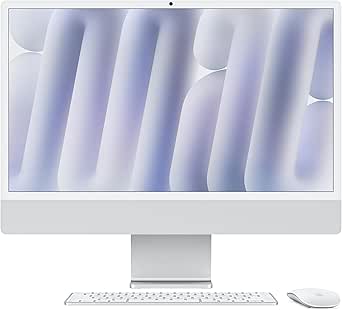 | Best Overall for Modern Workflows | Processor: M4 chip with 8-core CPU and 8-core GPU | Display: 24-inch Retina, 4.5K resolution, 500 nits brightness | Memory: 16GB Unified Memory | VIEW ON AMAZON | See Our Full Breakdown |
| Apple 27-inch 2019 iMac with Retina 5K Display, 3.0GHz Intel Core i5 (Renewed) |  | Best for Large Screen Color Accuracy | Display Size: 27 inches | Display Resolution: 5120 x 2880 | Processor: 3.0GHz 6-core Intel Core i5 | VIEW ON AMAZON | See Our Full Breakdown |
| 2024 Apple iMac with M4 Chip, 24-inch Retina Display, 16GB RAM, 256GB SSD (Renewed) |  | Best Value Modern Performance | Processor: Apple M4, 10-core | Display: 24-inch 4.5K Retina, 4480×2520 resolution | RAM: 16 GB SDRAM | VIEW ON AMAZON | See Our Full Breakdown |
| Apple 2024 iMac Air with M4 Chip, 24-Inch Retina Display, 16GB RAM, 256GB SSD (Renewed) |  | Best Compact Studio Setup | Processor: Apple M4, 8-core, 3.2 GHz | Display: 24-inch 4.5K Retina, 4480×2520 resolution | RAM: 16 GB SDRAM | VIEW ON AMAZON | See Our Full Breakdown |
| Apple 2021 iMac with M1 Chip, 24-inch, 8GB RAM, 512GB SSD, Silver (Renewed) |  | Best Value for Light Editing | Processor: Apple M1, 8-core CPU | Graphics: Integrated 8-core GPU | Memory: 8 GB Unified Memory | VIEW ON AMAZON | See Our Full Breakdown |
| imac for photographer | Processor | Storage | Graphics | Display |
|---|---|---|---|---|
| Apple iMac 27-Inch Desktop | 3.4 GHz Intel Core i7 | 1TB HDD | NVIDIA GeForce GTX 675MX, 2GB GDDR5 | — |
| Apple 2024 iMac All-in-One Des | M4 chip with 8-core CPU and 8-core GPU | 256GB SSD | — | 24-inch Retina, 4.5K resolution, 500 nits brightness |
| Apple 27-inch 2019 iMac with R | 3.0GHz 6-core Intel Core i5 | 1TB Fusion Drive | Radeon Pro 570x, 575x, or 580x | — |
| 2024 Apple iMac with M4 Chip | Apple M4, 10-core | 256 GB SSD | Apple Integrated Graphics, 16 GB DRAM | 24-inch 4.5K Retina, 4480×2520 resolution |
| Apple 2024 iMac Air with M4 Ch | Apple M4, 8-core, 3.2 GHz | 256 GB SSD | Integrated Apple Graphics, 16 GB RAM | 24-inch 4.5K Retina, 4480×2520 resolution |
| Apple 2021 iMac with M1 Chip | Apple M1, 8-core CPU | 512 GB SSD | Integrated 8-core GPU | 24-inch 4.5K Retina (4480 x 2520) |
More Details on Our Top Picks
Apple iMac 27-Inch Desktop, 3.4 GHz Intel Core i7, 16 GB RAM, 1TB HDD (Renewed)
This renewed 27-inch iMac stands out for photographers who need screen real estate on a tight budget. The 27-inch display offers significantly more workspace than the newer 24-inch M4 models, allowing for larger image previews and tool panels without constant zooming. However, the slower mechanical hard drive is a major bottleneck for raw file processing compared to the SSDs found in modern Macs. While the Intel i7 processor handles basic editing, it lacks the efficiency of Apple Silicon. This option makes the most sense for hobbyists who prioritize screen size over speed and are willing to accept slower load times and potential wear issues inherent in renewed hardware.Pros:- Large 27-inch screen provides ample workspace for photo editing interfaces
- 16GB RAM allows for moderate multitasking without immediate bottlenecks
- Includes wireless keyboard and mouse, reducing initial accessory costs
- Intel architecture offers broader legacy software compatibility if needed
Cons:- Mechanical hard drive significantly slows down file access and application launches
- Renewed status means potential unknown battery health or screen wear
- Older Intel chip generates more heat and consumes more power than Apple Silicon
Best for: Hobbyist photographers who need a large canvas for editing and have a limited budget for entry-level hardware.
Not ideal for: Professional photographers handling large RAW batches or video, as the HDD and older architecture will severely slow down workflows.
- Processor:3.4 GHz Intel Core i7
- Memory:16 GB DDR3 SDRAM
- Storage:1TB HDD
- Graphics:NVIDIA GeForce GTX 675MX, 2GB GDDR5
- Display Size:27 inches
- Operating System:macOS High Sierra
Our verdict“Choose this if you absolutely need a 27-inch display for editing but cannot afford the premium price of newer large-screen Macs.”
Apple 2024 iMac All-in-One Desktop Computer with M4 Chip, 24-inch Retina Display
As the newest addition to the lineup, this M4-powered iMac delivers the best balance of performance and display quality for most photographers. The 4.5K Retina display offers superior color accuracy and brightness compared to the older 5K Intel models, making it ideal for precise color grading. While the 24-inch size is smaller than the legacy 27-inch options, the pixel density ensures sharp details. The M4 chip’s unified memory architecture accelerates AI-driven editing tools significantly faster than the Intel-based renewed models. This pick is the most future-proof option, though the base 256GB storage will likely require an external drive for professional libraries.Pros:- M4 chip provides exceptional speed for AI-enhanced photo editing tools
- 4.5K Retina display offers vibrant colors and high brightness for accurate grading
- Silent operation and low heat generation improve the studio environment
- Thunderbolt 4 ports allow for high-speed external storage and monitor expansion
Cons:- Base 256GB SSD fills up quickly with RAW files and applications
- Higher upfront cost compared to renewed or older generation models
- Non-upgradable RAM and storage mean you must buy the right configuration initially
Best for: Professional photographers who need fast, reliable performance and accurate color reproduction for modern editing software.
Not ideal for: Users who require more than 24 inches of screen space without adding an external monitor.
- Processor:M4 chip with 8-core CPU and 8-core GPU
- Display:24-inch Retina, 4.5K resolution, 500 nits brightness
- Memory:16GB Unified Memory
- Storage:256GB SSD
- Ports:Up to four Thunderbolt 4 ports
- Connectivity:Wi-Fi 6E, Bluetooth 5.3
Our verdict“This is the definitive choice for photographers investing in current technology who value speed and color fidelity over legacy screen size.”
Apple 27-inch 2019 iMac with Retina 5K Display, 3.0GHz Intel Core i5 (Renewed)
This 2019 model offers a compelling middle ground: the 5K Retina resolution provides sharper text and finer image detail than the 24-inch M4 iMacs, which is valuable for detailed retouching. The 27-inch canvas allows for a more comfortable editing interface without external monitors. However, the 8GB of RAM is a significant limitation for photographers working with large layered files or multiple applications, often requiring an upgrade that can be difficult on these sealed units. Compared to the 2024 M4 iMac, this Intel-based system runs hotter and slower, but it remains a viable option for those who refuse to compromise on screen size and resolution.Pros:- 5K Retina display delivers exceptional sharpness and color depth for detailed work
- 27-inch screen size offers a spacious, uncluttered editing workspace
- Fusion Drive provides a hybrid balance of speed and capacity for general use
- Thunderbolt 3 ports support high-speed peripherals and external displays
Cons:- 8GB RAM is insufficient for professional-grade multitasking and large RAW files
- Intel architecture is less efficient and generates more heat than Apple Silicon
- Renewed status introduces uncertainty about component longevity and battery health
Best for: Retouchers and designers who prioritize maximum pixel density and screen real estate over processing speed.
Not ideal for: Users who frequently multitask with heavy applications like Lightroom and Photoshop simultaneously, as 8GB RAM will cause slowdowns.
- Display Size:27 inches
- Display Resolution:5120 x 2880
- Processor:3.0GHz 6-core Intel Core i5
- Graphics:Radeon Pro 570x, 575x, or 580x
- RAM:8 GB DDR4
- Storage:1TB Fusion Drive
Our verdict“Ideal for photographers who need a large, ultra-sharp screen for detailed retouching and can manage with limited RAM.”
2024 Apple iMac with M4 Chip, 24-inch Retina Display, 16GB RAM, 256GB SSD (Renewed)
This renewed 2024 M4 iMac offers nearly identical performance to the new model at a potentially lower entry point. It features the same 10-core M4 chip and 16GB of unified memory, ensuring that modern AI editing features run smoothly. The main trade-off is the renewed warranty and condition, which requires trusting the refurbisher’s quality control. Compared to the 2019 Intel 5K iMac, this model is vastly more efficient and silent, though it sacrifices the larger 27-inch screen. This pick makes the most sense for photographers who want current-generation speed and design but are willing to accept the risks of buying refurbished hardware.Pros:- 10-core M4 chip delivers top-tier performance for photo editing applications
- Compact 24-inch design fits easily into smaller studio setups
- 16GB unified memory handles multitasking and large files efficiently
- Modern connectivity options including Wi-Fi 6E ensure fast data transfer
Cons:- Renewed product may have minor cosmetic imperfections or limited warranty coverage
- 256GB SSD is too small for professional photo libraries without external storage
- Integrated graphics are not suitable for heavy 3D rendering or video editing
Best for: Cost-conscious photographers who want the speed of the M4 chip and modern design without paying full retail price.
Not ideal for: Risk-averse buyers who prefer the security of a full manufacturer warranty and pristine, unused hardware.
- Processor:Apple M4, 10-core
- Display:24-inch 4.5K Retina, 4480×2520 resolution
- RAM:16 GB SDRAM
- Storage:256 GB SSD
- Graphics:Apple Integrated Graphics, 16 GB DRAM
- Operating System:Mac OS
Our verdict“A smart choice for those who prioritize processing power and modern features over the guarantee of a brand-new device.”
Apple 2024 iMac Air with M4 Chip, 24-Inch Retina Display, 16GB RAM, 256GB SSD (Renewed)
This ‘iMac Air’ variant (likely referring to the standard M4 iMac without AppleCare+) emphasizes portability and minimalism. With an 8-core M4 chip, it offers slightly less parallel processing power than the 10-core version, which may impact export times for very large batches. The 24-inch footprint is the smallest here, making it perfect for desks with limited space. Compared to the renewed 27-inch Intel models, this machine is far more energy-efficient and quiet, though it lacks the raw screen area. This option is best suited for photographers who edit primarily on a laptop or need a compact secondary station for final reviews and light edits.Pros:- Ultra-compact design maximizes desk space in small studios
- M4 chip provides responsive performance for everyday editing tasks
- Low power consumption and silent operation enhance the workspace environment
- Vibrant 4.5K Retina display ensures accurate color representation for reviews
Cons:- 8-core processor is slower than the 10-core variants for heavy multitasking
- Renewed status carries risks regarding battery health and component longevity
- Small 24-inch screen requires frequent zooming for detailed retouching
Best for: Photographers with limited desk space who need a powerful, compact machine for light editing and client reviews.
Not ideal for: Users who edit large RAW files daily, as the 8-core chip and small screen may hinder efficient workflow compared to larger models.
- Processor:Apple M4, 8-core, 3.2 GHz
- Display:24-inch 4.5K Retina, 4480×2520 resolution
- RAM:16 GB SDRAM
- Storage:256 GB SSD
- Graphics:Integrated Apple Graphics, 16 GB RAM
- Operating System:macOS
Our verdict“Choose this if you need a sleek, space-saving workstation for light editing and client presentations.”
Apple 2021 iMac with M1 Chip, 24-inch, 8GB RAM, 512GB SSD, Silver (Renewed)
This renewed 24-inch iMac stands out as the best entry point into Apple Silicon for photographers who primarily shoot JPEGs or handle modest RAW files. The 4.5K Retina display delivers accurate color reproduction that rivals more expensive models, making it suitable for serious color grading work. Compared to the 2024 iMac with M4, the M1 chip here is less powerful for heavy multitasking, but the 512GB SSD offers significantly more local storage than the base 256GB models, a critical advantage for photographers managing large catalogs. However, the 8GB of unified memory is a hard ceiling; if you frequently run Photoshop alongside Lightroom and browser tabs, you will experience swapping. This machine is ideal for those who prioritize screen quality and storage over raw processing speed, offering a sleek, modern aesthetic without the premium price tag of the latest generation.
Pros:- Vibrant 4.5K Retina display with excellent color accuracy for photo editing
- Generous 512GB SSD storage compared to base models with 256GB
- Efficient M1 chip handles Lightroom and Photoshop smoothly for single tasks
- Compact, all-in-one design saves desk space and reduces cable clutter
Cons:- Only 8GB of unified memory limits multitasking and large file handling
- Renewed status means potential cosmetic wear and a short 90-day warranty
- Lacks Thunderbolt ports found on newer M4 models for high-speed external drives
Best for: Hobbyist photographers and social media creators who edit JPEGs or light RAW files and need reliable local storage for their library.
Not ideal for: Professional retouchers or videographers who require more than 8GB of RAM for complex layer stacks and 4K video timelines.
- Processor:Apple M1, 8-core CPU
- Graphics:Integrated 8-core GPU
- Memory:8 GB Unified Memory
- Storage:512 GB SSD
- Display:24-inch 4.5K Retina (4480 x 2520)
- Connectivity:Wi-Fi 6, Bluetooth 5.0, USB-C, USB-A
- Condition:Renewed
- Warranty:90 days limited
Our verdict“Choose this renewed 24-inch iMac if you want a high-quality display and ample storage for photo editing without paying for the latest processor.”

How We Picked
I evaluated these machines based on their ability to handle the specific demands of photographic workflows, such as batch processing RAW files, running complex layer structures in Photoshop, and maintaining color accuracy. Priority was given to systems with unified memory architectures that allow for efficient data transfer between the CPU and GPU, a key advantage of Apple Silicon over traditional Intel setups. I also considered the practicality of display technology, favoring screens that offer high pixel density and wide color gamut support out of the box.
Ranking was determined by a combination of performance longevity, value proposition, and suitability for professional versus amateur use. Newer M4 models were ranked higher due to their superior thermal management and software support horizon, while renewed Intel models were assessed on their cost-effectiveness for users who cannot afford new hardware but still need a reliable editing station. This hierarchy ensures that recommendations align with both current technological standards and realistic budget constraints.
| imac for photographer | Graphics | Operating System |
|---|---|---|
| Apple iMac 27-Inch Desktop | NVIDIA GeForce GTX 675MX, 2GB GDDR5 | macOS High Sierra |
| Apple 2024 iMac All-in-One Des | — | — |
| Apple 27-inch 2019 iMac with R | Radeon Pro 570x, 575x, or 580x | — |
| 2024 Apple iMac with M4 Chip | Apple Integrated Graphics, 16 GB DRAM | Mac OS |
| Apple 2024 iMac Air with M4 Ch | Integrated Apple Graphics, 16 GB RAM | macOS |
| Apple 2021 iMac with M1 Chip | Integrated 8-core GPU | — |
Factors to Consider When Choosing Imac For Photographers
Selecting an iMac for photography requires looking beyond brand loyalty to understand how specific components impact your daily editing routine. The following factors will help you distinguish between marketing buzzwords and features that actually improve your workflow efficiency.Memory Capacity and Workflow Bottlenecks
Photography software, particularly Adobe Lightroom and Photoshop, is notoriously memory-intensive. While 8GB of RAM might suffice for web browsing, it often leads to swapping data to the disk when you have multiple applications open or are working with large RAW files. I recommend a minimum of 16GB for anyone serious about editing, as this allows the unified memory to handle high-resolution images without stuttering. If you frequently work with 50-megapixel files or complex composite projects, 24GB or 32GB provides the headroom needed to keep your system responsive during heavy loads.
Display Color Accuracy and Calibration
The iMac’s Retina display is one of its strongest selling points for creatives, offering a P3 wide color gamut that covers more colors than the standard sRGB spectrum. This means you see more subtle gradations in skin tones and landscapes, which is vital for accurate color grading. However, factory calibration can drift over time, so budgeting for a hardware color calibrator is a smart move for professionals. Unlike external monitors that require separate calibration devices, the iMac integrates this process, but verifying accuracy every few months ensures your edits remain true to print.
Storage Speed Versus Capacity Tradeoffs
Most base-model iMacs come with 256GB of SSD storage, which fills up rapidly with operating system updates and applications alone. Photographers should prioritize speed over internal capacity, as SSDs provide the fast read/write times needed for non-destructive editing. The best strategy is to keep your active catalog on the internal SSD for speed and store your raw archive on fast external Thunderbolt drives. This approach keeps the computer running smoothly while allowing you to scale your storage indefinitely without upgrading the internal hardware.
Processor Efficiency and Thermal Throttling
Apple Silicon chips like the M4 and M1 operate far more efficiently than older Intel processors, generating less heat and maintaining sustained performance during long export sessions. Intel-based iMacs, particularly the 27-inch models, are prone to thermal throttling under heavy load, which can slow down batch processing as the fans struggle to cool the system. If your workflow involves exporting hundreds of images or rendering 3D elements, the efficiency of the M-series chips provides a more consistent experience. This thermal advantage also translates to a quieter workspace, which is beneficial for photographers who also record video or audio.
Longevity and Software Support Horizon
Buying a renewed Intel iMac is a calculated risk regarding software compatibility. As macOS updates continue to prioritize Apple Silicon, older Intel machines may lose support for newer creative software features or security patches sooner than their M-series counterparts. When evaluating a purchase, consider how many years you plan to keep the machine. If you need a device that will run the latest version of Photoshop and Lightroom for the next five years, investing in an M4 model offers better long-term value despite the higher upfront cost.
Frequently Asked Questions
Can I use an external monitor with an iMac for photography?
Yes, but the capabilities depend on the specific model. M4 iMacs support one external display with up to 6K resolution, which is excellent for extending your workspace or using a high-end reference monitor. Older Intel iMacs with Thunderbolt 3 ports can also support external displays, often with greater flexibility for multiple screens. However, using the iMac as a target display source is no longer supported in newer macOS versions, so you must rely on its GPU to drive the external monitor rather than using the iMac screen itself as a second display for another computer.
Is the 24-inch screen size too small for professional photo editing?
For many photographers, the 24-inch 4.5K Retina display offers ample pixel density to see fine details, and the high resolution allows for a comfortable zoom level without losing clarity. While it lacks the physical real estate of a 27-inch or 32-inch monitor, the compact size reduces eye strain by keeping the entire workspace within a natural field of view. If you find the screen too small, connecting a larger external monitor via Thunderbolt is the standard solution, allowing you to keep the iMac as a powerful, compact editing core while expanding your visual canvas when needed.
Should I buy a renewed iMac or a brand new one for photography?
Buying renewed can save money, but you must verify the battery health and warranty coverage, as these components degrade over time. For photography, the processor generation matters more than whether the item is new or renewed. A renewed M1 iMac is generally a better long-term investment than a new Intel-based machine due to software support and efficiency. However, if you find a renewed M4 model at a good price, it offers the best of both worlds: modern performance and cost savings. Always ensure the seller offers a return period to test the display for dead pixels.
How much RAM do I really need for Lightroom and Photoshop?
While Adobe states minimum requirements, real-world performance suggests 16GB is the comfortable baseline for serious editing. With 8GB, you may experience lag when switching between applications or when Lightroom generates previews for large catalogs. 32GB becomes necessary if you work with very high-resolution files, panoramic stitching, or heavy compositing in Photoshop. Since Apple Silicon uses unified memory, the RAM is shared between the CPU and GPU, so having extra capacity helps maintain smooth performance across all creative applications simultaneously.
Do iMacs have good color accuracy for printing?
The Retina displays on modern iMacs are factory-calibrated to cover the P3 wide color gamut, which is wider than the sRGB standard used by most web browsers. This allows for more accurate previewing of colors that will appear in print, particularly for high-end inkjet printers that support P3. However, no screen is perfect, and lighting conditions in your studio can affect perception. For professional print work, I still recommend using a hardware calibration tool to create a custom ICC profile, ensuring that your monitor matches your printer’s output exactly.
Conclusion
For most photographers in 2027, the Apple 2024 iMac with M4 Chip is the best overall choice, delivering the speed, efficiency, and color accuracy needed for modern editing workflows. If you are just starting out or have a tighter budget, the renewed M1 iMac offers a compelling entry point, provided you are willing to manage its 8GB RAM limitation or upgrade if possible. For those who absolutely require a larger screen and have legacy software needs, the renewed 27-inch Intel iMac remains the only viable option in the iMac family, though it comes with the caveat of shorter software support. Ultimately, prioritize 16GB of RAM and fast external storage to get the most out of whichever model you choose.