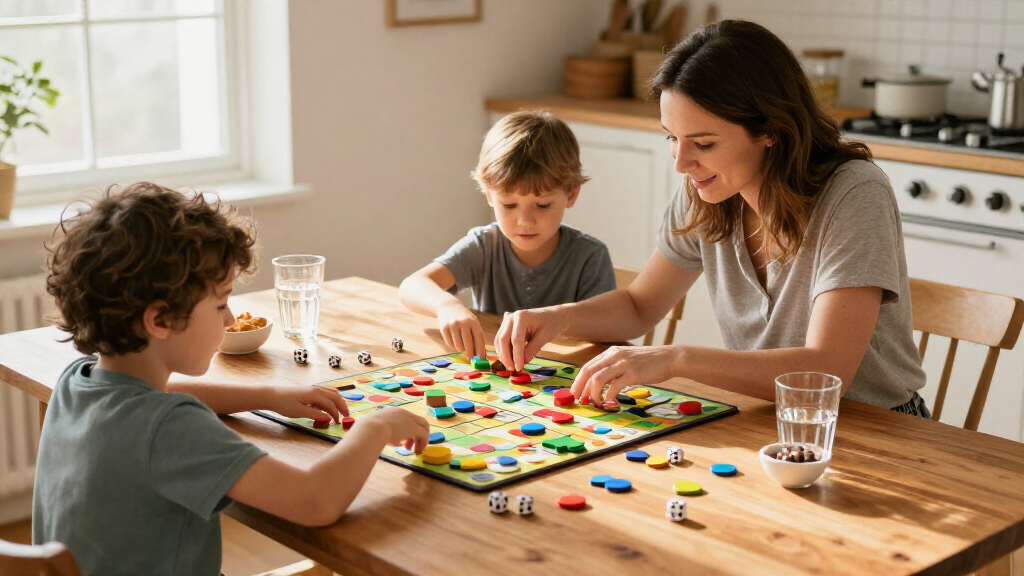
For a flexible family pick, The Uzzle 3.0 stands out for hands-on puzzles and replayable challenges, while Herd Mentality suits larger groups and Candy Land gives preschoolers a simple first game. The right choice depends on your children’s ages, how many people usually play, and whether your family prefers quick turns, silly social play, or a more active challenge. Some games are easy to teach but offer less strategy; others bring more variety at the cost of extra setup or age limits. I compare all 15 options by accessibility, group fit, replay value, and practical tradeoffs. Read on for the full breakdown and a guide to matching a game to your household.

Turn the school run and nap time into listening time
- Thousands of audiobooks, podcasts and originals
- Listen on your phone, tablet or Echo — also offline
- Cancel anytime
Complete the kit


Key Takeaways
- The Uzzle 3.0 is the most adaptable all-around pick: its puzzle format can suit mixed ages better than games built around a narrow age range or a single kind of joke.
- Candy Land and Trouble serve different early-game needs: Candy Land has a gentler, simpler entry point, while Trouble adds a more interactive race for children ready for a little more turn-by-turn tension.
- Group size changes the shortlist: Herd Mentality is designed for 4–20 players, while Connect 4 and Twister work better for smaller groups or pairs.
- Low-cost formats can be easier to bring along: Regal Games’ six classic card games offer variety in a compact format, though they rely on players learning several sets of rules.
- Not every pick is a traditional board game: Nex Playground adds active digital play, while Do You Really Know Your Family? centers conversation, so both suit households seeking something beyond a tabletop contest.
| Hasbro Gaming Trouble Board Game for Ages 5 and Up |  | Best for Simple, Competitive Play | Recommended age: 5 years and up | Players: 2–4 | Edition: Classic Edition | VIEW LATEST PRICE | See Our Full Breakdown |
| Yeti in My Spaghetti Family Board Game |  | Best for Preschool-Age First Games | Recommended age: 4 years and up | Players: 2 or more | Brand: PlayMonster | VIEW LATEST PRICE | See Our Full Breakdown |
| The Uzzle 3.0 Family Board Game |  | Best for Puzzle Variety and Solo Play | Recommended age: 4 years and up | Players: 1–4 | Puzzles: 100 total; 25 per difficulty level | VIEW LATEST PRICE | See Our Full Breakdown |
| Sorry! Classic Family Board Game for Ages 6+ |  | Best for Card-Driven Ups and Downs | Recommended age: 6 years and up | Players: 2–4 | Playing time: 120 minutes | VIEW LATEST PRICE | See Our Full Breakdown |
| Herd Mentality Board Game with 20 Bonus Questions, for 4–20 Players |  | Best for Big Family Gatherings | Recommended age: 10 years and up | Players: 4–20 | Playing time: 20 minutes | VIEW LATEST PRICE | See Our Full Breakdown |
| Regal Games Set of 6 Classic Card Games for Kids |  | Best Variety for Young Card-Game Beginners | Included games: Old Maid, Go Fish, Slap Jack, Crazy 8’s, War, Silly Monster Memory Match | Number of decks: 6 | Players: 2–6 | VIEW LATEST PRICE | See Our Full Breakdown |
| Mouse Trap Board Game for Kids Ages 6 and Up |  | Best for Hands-On Cause-and-Effect Play | Brand: Hasbro Gaming | Age range: 6 years and up | Players: 2–4 | VIEW LATEST PRICE | See Our Full Breakdown |
| Hurry Up Chicken Butt Family Game |  | Best for Active, Silly Group Play | Brand: Exploding Kittens | Players: 2–6 | Age range: 4 years and up | VIEW LATEST PRICE | See Our Full Breakdown |
| Hasbro Connect 4 Game with Storage Case and Score Trackers, 2025 Edition |  | Best Portable Two-Player Strategy Game | Brand: Hasbro Gaming | Edition: 2025 Edition | Players: 2 | VIEW LATEST PRICE | See Our Full Breakdown |
| Hasbro Gaming Candy Land Board Game for Kids, Ages 3+ |  | Best First Board Game for Preschoolers | Brand: Hasbro Gaming | Players: 2–4 | Recommended age: 3 years and up | VIEW LATEST PRICE | See Our Full Breakdown |
| Hasbro Twister Classic Party Game for 2–4 Players, Ages 6+ |  | Best for Active Group Play | Brand: Hasbro Gaming | Players: 2–4 | Recommended age: 6+ years | VIEW LATEST PRICE | See Our Full Breakdown |
| Nex Playground Active Play System for Kids and Families | 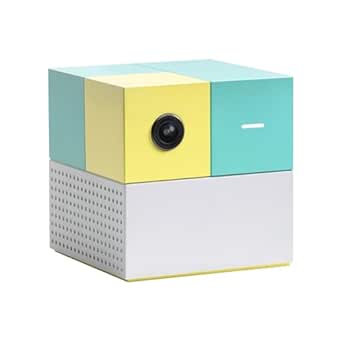 | Best for Screen-Based Active Play | Players: Up to 4 | Recommended age: 5 years and up | Controller: No controller required | VIEW LATEST PRICE | See Our Full Breakdown |
| Do You Really Know Your Family? Family Card Game |  | Best for Family Conversation | Game type: Card game | Recommended age: 8 years and up | Players: Kids, teens, and adults | VIEW LATEST PRICE | See Our Full Breakdown |
| Hasbro Gaming Operation Electronic Board Game for Ages 6+ |  | Best for Fine-Motor Challenge | Brand: Hasbro Gaming | Age range: 6 years and up | Players: 1 or more | VIEW LATEST PRICE | See Our Full Breakdown |
| Spin Master Games Hedbanz Classic Picture Guessing Game |  | Best for Easy-to-Learn Group Guessing | Brand: Spin Master Games | Players: 2–6 | Recommended age: 6 years and up | VIEW LATEST PRICE | See Our Full Breakdown |
| family board games for kid | Players | Recommended age | Included components | Brand |
|---|---|---|---|---|
| Hasbro Gaming Trouble Board Ga | 2–4 | 5 years and up | Gameboard, plastic game unit with Pop-O-Matic die roller, 16 pegs, and instructions | — |
| Yeti in My Spaghetti Family Bo | 2 or more | 4 years and up | Plastic noodles, lightweight bowl, and Yeti game piece | PlayMonster |
| The Uzzle 3.0 Family Board Gam | 1–4 | 4 years and up | 4 sets of 10 blocks | — |
| Sorry! Classic Family Board Ga | 2–4 | 6 years and up | Gameboard, 12 pawns, 45 cards, and instructions | Hasbro Gaming |
| Herd Mentality Board Game with | 4–20 | 10 years and up | — | — |
| Regal Games Set of 6 Classic C | 2–6 | 4–12 years | — | — |
| Mouse Trap Board Game for Kids | 2–4 | — | Game board, 4 plastic mice, 2 metal marbles, 25 trap-building parts and accessories, 52 cheese pieces | Hasbro Gaming |
| Hurry Up Chicken Butt Family G | 2–6 | — | 1 Chicken Shaker, 6 playmats, 45 activity cards | Exploding Kittens |
| Hasbro Connect 4 Game with Sto | 2 | 6 years and up | Grid and tray, 42 discs (21 red and 21 yellow), game rules | Hasbro Gaming |
| Hasbro Gaming Candy Land Board | 2–4 | 3 years and up | Gameboard, 4 gingerbread pawns, card deck, instructions | Hasbro Gaming |
| Hasbro Twister Classic Party G | 2–4 | 6+ years | — | Hasbro Gaming |
| Nex Playground Active Play Sys | Up to 4 | 5 years and up | — | — |
| Do You Really Know Your Family | Kids, teens, and adults | 8 years and up | — | — |
| Hasbro Gaming Operation Electr | 1 or more | — | Gameboard, tweezers, 26 cards, 12 Funatomy parts, play money, rubber band, instructions | Hasbro Gaming |
| Spin Master Games Hedbanz Clas | 2–6 | 6 years and up | 6 headbands, 6 headplates, 16 scoring badges, 1 timer, 69 picture cards, 3 sample question cards, instructions | Spin Master Games |
More Details on Our Top Picks
Hasbro Gaming Trouble Board Game for Ages 5 and Up
Trouble suits families who want a familiar race game that children can pick up quickly. Players press the Pop-O-Matic roller to roll, keeping the die contained and adding a tactile moment to each turn. The classic rules are straightforward, while optional Power Up spaces add a little more decision-making without changing the basic goal. Compared with Sorry! Classic, Trouble asks less of players: there are no cards to interpret, though its movement is still shaped by luck. Its main tradeoff is the knockback rule—another player can send a peg back to the start, which may frustrate children who dislike losing progress. It also needs at least two players, so it is not a solo option.
Pros:- Pop-O-Matic roller keeps the die contained during turns.
- Simple movement rules are accessible to young players.
- Optional Power Up spaces add a more challenging variation.
- Includes 16 pegs for four players.
Cons:- Opponents can send a peg back to the start, which can feel discouraging.
- Requires at least two players.
- Dice-driven movement leaves limited control over each turn.
Best for: Families with children aged five and up who want a quick-to-explain, head-to-head board game for two to four players.
Not ideal for: Children who get upset when opponents undo their progress, or families looking for a game that can be played alone.
- Recommended age:5 years and up
- Players:2–4
- Edition:Classic Edition
- Included components:Gameboard, plastic game unit with Pop-O-Matic die roller, 16 pegs, and instructions
- Game variation:Classic rules and optional Power Up spaces
- Model number:A5064
Our verdict“Choose Trouble for an easy-to-teach race game with lively take-that moments, but skip it if your child dislikes setbacks.”
Yeti in My Spaghetti Family Board Game
Yeti in My Spaghetti is the most accessible pick here for younger children: turns involve removing noodles carefully while trying not to drop the Yeti into the bowl. That physical goal is easier to grasp than the racing rules in Trouble, and the fine-motor challenge gives little hands something concrete to do. Its lightweight bowl and noodles also make it more travel-friendly than a full board-and-peg game. The tradeoff is that play depends on steady handling; children who prefer energetic or unpredictable turns may find the careful removal routine less exciting. Unlike The Uzzle 3.0, it does not offer multiple puzzle levels or solo play according to the supplied details, so its appeal rests on a simple shared activity rather than growing strategic depth.
Pros:- Easy-to-understand turns make it approachable for young children.
- Encourages focus, patience, and fine motor control.
- Lightweight bowl and noodles are convenient to pack.
- Works with two or more players.
Cons:- The Yeti can fall if players handle the noodles carelessly.
- The simple central challenge may offer less variety than The Uzzle 3.0’s 100 puzzles.
- No warranty is included in the supplied product details.
Best for: Families with children aged four and up who want a tactile, low-rules game for two or more players.
Not ideal for: Families seeking solo play, layered challenges, or a game that rewards planning beyond careful noodle removal.
- Recommended age:4 years and up
- Players:2 or more
- Brand:PlayMonster
- Model:6958
- Included components:Plastic noodles, lightweight bowl, and Yeti game piece
- Game objective:Remove noodles while trying to keep the Yeti from falling into the bowl
- Warranty:No warranty
Our verdict“Pick Yeti in My Spaghetti for a portable, hands-on first game, not for families who want evolving puzzles or solo challenges.”
The Uzzle 3.0 Family Board Game
The Uzzle 3.0 stands apart from the lineup by making visual problem-solving the focus rather than racing or knocking opponents back. Players flip, spin, and combine patterned blocks to match cards, and 100 puzzles across four difficulty levels give families room to start simply and work toward tougher challenges. It can also be played solo, a useful contrast with Trouble and Yeti in My Spaghetti, both of which require other players in the supplied descriptions. Larger blocks are designed for easier handling, though the hardest levels may still be a stretch for younger children. Compared with the quick physical tension of Yeti, Uzzle asks for more visual attention; families wanting a purely silly, low-focus party game may find it too puzzle-led.
Pros:- Offers 100 puzzles divided across four difficulty levels.
- Supports solo play as well as games with up to four players.
- Larger blocks are designed for easier handling.
- Pattern matching gives children a different kind of challenge from the race games in this roundup.
Cons:- The hardest puzzles may be too challenging for younger players.
- More than four players requires additional sets.
- Visual matching may not appeal to children seeking a lively, social game.
Best for: Families with children aged four and up who enjoy pattern matching and want a game that supports solo practice as well as play with up to four people.
Not ideal for: Groups larger than four without extra sets, or younger players who may struggle with the most difficult puzzle levels.
- Recommended age:4 years and up
- Players:1–4
- Puzzles:100 total; 25 per difficulty level
- Difficulty levels:4
- Included components:4 sets of 10 blocks
- Block size:2× bigger blocks
- Dimensions:8 × 8 × 4 inches
- Weight:1.7 pounds
- Language:English
Our verdict“Choose The Uzzle 3.0 for adaptable pattern puzzles and solo play, especially if your family wants more variety than a single repeated challenge.”
Sorry! Classic Family Board Game for Ages 6+
Sorry! Classic is a good fit for families who want more varied movement than a simple die roll. Players use cards to move pawns, slide, collide, and send rivals back to start. That card-led format gives each turn a different shape, while still keeping the central race goal easy for children aged six and up to follow. Compared with Trouble, which uses a Pop-O-Matic die, Sorry! has changing moves but also leaves players at the mercy of the cards they draw. The setbacks can make the game lively, yet may frustrate a child who has worked hard to advance. The listed playing time is 120 minutes, which could be a long stretch for a family session; Trouble is the simpler choice when you want fewer moving parts.
Pros:- Cards create changing movement options from turn to turn.
- Slides and collisions add direct interaction between players.
- Supports two to four players.
- The race-to-home objective is easy to follow.
Cons:- Card draws can limit control over a player’s moves.
- The listed estimated playing time of 120 minutes may be too long for some families.
- Sending a pawn back to start can be discouraging for young players.
Best for: Families with children aged six and up who enjoy card-based choices, pawn movement, and playful competition for two to four players.
Not ideal for: Families looking for a short game, or children who find random setbacks upsetting.
- Recommended age:6 years and up
- Players:2–4
- Playing time:120 minutes
- Included components:Gameboard, 12 pawns, 45 cards, and instructions
- Edition:Standard Edition
- Language:English
- Brand:Hasbro Gaming
- Model number:A5065
Our verdict“Choose Sorry! Classic for card-driven races and playful rivalries, but pick Trouble if your family wants a more direct, simpler turn structure.”
Herd Mentality Board Game with 20 Bonus Questions, for 4–20 Players
Herd Mentality Kids Edition is the clear choice for a large family gathering: it accommodates 4–20 players, far more than Trouble, Sorry!, or The Uzzle 3.0. Players answer questions and try to match the majority, so the fun comes from guessing what the group thinks rather than moving pieces around a board. Its 20 bonus questions add prompts to the included set, and the supplied playing time of 20 minutes makes it a shorter group activity than Sorry!, listed at 120 minutes. The tradeoff is that it cannot serve a small household of two or three, and odd-one-out answers earn the pink cow of doom. Children who dislike being singled out may prefer a cooperative or less socially exposing game.
Pros:- Supports groups of four to 20 players.
- Quick-to-learn format centers on matching group opinions.
- Includes 20 bonus questions.
- Compact cardboard set is easy to store or bring to a gathering.
Cons:- Requires at least four players.
- The pink cow of doom singles out players who differ from the majority.
- The social-answer format may be less appealing to children who prefer puzzles or board movement.
Best for: Families with children aged ten and up who regularly gather four or more players and want a quick group game.
Not ideal for: Small households with fewer than four players, or children who may feel uncomfortable when their answer differs from the majority.
- Recommended age:10 years and up
- Players:4–20
- Playing time:20 minutes
- Edition:Kids Edition
- Bonus questions:20
- Game mechanics:Social deduction
- Dimensions:7.4 × 5.8 × 0.04 inches
- Weight:449 g
- Material:Cardboard
Our verdict“Choose Herd Mentality for a short, large-group family session, but skip it if you usually play with fewer than four or want a less socially competitive game.”
Regal Games Set of 6 Classic Card Games for Kids
Six familiar games in one tin make this a flexible pick for families whose kids are ready to learn simple card-game rules. Old Maid, Go Fish, Slap Jack, Crazy 8’s, War, and Silly Monster Memory Match offer different ways to practice matching, counting, and memory, while the oversized cards are easier for younger players to handle. Compared with Candy Land, this set offers more game choices and can suit a wider range of ages, but it asks children to follow different rules rather than simply match colors. It is also less of a shared-board spectacle than Mouse Trap; its appeal is portable, repeatable play. The tradeoff is that the games are familiar, straightforward formats, and the listing notes that games may vary, so buyers should not assume every included title is fixed.
Pros:- Combines six card games, giving families several options in one set.
- Oversized cards are easier for small hands to hold and sort.
- Bright colors and simple symbols support matching and early number practice.
- Offers both familiar card-game play and a memory-match option.
Cons:- The included games may vary, so the exact selection may not be predictable.
- Children need to learn different rules, unlike the simpler color-matching flow of Candy Land.
Best for: Families with children ages 4 and up who want several low-complexity card games for travel, quiet play, or short turns around the table.
Not ideal for: Families looking for one elaborate board game with a shared visual centerpiece, or buyers who need a fixed, precisely specified selection of games.
- Included games:Old Maid, Go Fish, Slap Jack, Crazy 8’s, War, Silly Monster Memory Match
- Number of decks:6
- Players:2–6
- Recommended age:4–12 years
- Material:Plastic
- Container:Tin
- Language:English
- Item weight:8 ounces
Our verdict“Choose this set for affordable variety and child-friendly card handling; choose Candy Land instead if your youngest players need one consistent, board-based game.”
Mouse Trap Board Game for Kids Ages 6 and Up
Building the chain-reaction trap gives Mouse Trap a hands-on hook that sets it apart from turn-based options such as Connect 4. Players move mice, collect cheese, and assemble trap parts, so the activity includes construction and cause-and-effect play alongside counting and decisions. That physical process can make the game especially appealing to children who like seeing a mechanism work, rather than focusing only on a race along a path as in Candy Land. The tradeoff is setup: the many trap parts require assembly, which can slow down a spontaneous game and may call for adult help. It also supports just two to four players and takes about 30 minutes, making it a less compact choice for a quick round than Connect 4. This suits families who enjoy the build-up as much as the outcome.
Pros:- The chain-reaction trap adds a construction activity to the race around the board.
- Components support counting, decision-making, and cause-and-effect play.
- Includes mice, cheese pieces, marbles, and trap-building parts for up to four players.
- Instructions are provided in English and Spanish.
Cons:- Assembling the trap from multiple parts takes more setup than Connect 4.
- The two-to-four-player limit excludes larger family groups.
- Its estimated 30-minute playtime may be a long commitment for younger children.
Best for: Families with children six and older who enjoy building, moving parts, and games that connect simple decisions with visible cause and effect.
Not ideal for: Households seeking a fast, low-setup game or families with more than four players who want everyone involved in one round.
- Brand:Hasbro Gaming
- Age range:6 years and up
- Players:2–4
- Estimated playing time:30 minutes
- Edition:Standard Edition
- Included components:Game board, 4 plastic mice, 2 metal marbles, 25 trap-building parts and accessories, 52 cheese pieces
- Instruction languages:English and Spanish
Our verdict“Pick Mouse Trap when kids want to build and trigger a moving mechanism, but choose Connect 4 for a quicker game with less setup.”
Hurry Up Chicken Butt Family Game
Movement and a surprise timer give this game a different kind of family-night energy from seated choices like Connect 4 or Candy Land. Players shake the Chicken Shaker, follow an activity prompt, and pass it along before the timer goes off, making the turns active and unpredictable. Its simple format is approachable for children as young as four, and the six playmats and activity cards support a group of up to six. Compared with Mouse Trap, the action comes from players performing prompts rather than assembling a mechanism; that means less rules-heavy play, but it also calls for room to move. The battery requirement is a practical extra, and batteries are not included. This is a better fit for lively playdates than for a quiet table or a family seeking a strategy-focused board game.
Pros:- Active prompts get players moving instead of sitting through every turn.
- Simple instructions make it accessible to young children and mixed-age groups.
- Surprise timer keeps the handoff unpredictable.
- Supports two to six players and includes six playmats.
Cons:- Players need enough space to perform the activities comfortably.
- Batteries are required but are not included.
- The physical prompts may not suit families looking for a conventional board-game experience like Connect 4.
Best for: Families with children four and older who want a simple, screen-free activity game for playdates or energetic group game nights.
Not ideal for: Families with limited floor space, players who prefer quiet seated games, or buyers who want a strategy-heavy board game.
- Brand:Exploding Kittens
- Players:2–6
- Age range:4 years and up
- Included components:1 Chicken Shaker, 6 playmats, 45 activity cards
- Material:Cardstock
- Model:HUCB-CORE-4
- Batteries:Required; not included
Our verdict“Choose Hurry Up Chicken Butt for an active, silly group game, and skip it if your family needs quiet, space-saving table play.”
Hasbro Connect 4 Game with Storage Case and Score Trackers, 2025 Edition
Quick tactical choices make Connect 4 a strong fit for siblings or parent-child matchups: players must spot their own winning lines while blocking the other color. Unlike the luck-led path in Candy Land, each move gives children a direct chance to plan ahead, though the simple goal keeps the game approachable from age six. The folding case and built-in disc storage make it easier to carry and put away than Mouse Trap, whose trap pieces take more effort to assemble and manage. Sliding score trackers also help families keep a series of rounds organized. The main limitation is baked into the format: it is only for two players, so other family members need to wait or rotate in. Its discs are small, too, and can go missing if they are not returned to the tray.
Pros:- Folding handled case makes the game easier to carry and store.
- Built-in tray keeps the discs together when packed away.
- The connect-and-block objective gives children accessible strategic choices.
- Sliding score trackers help track multiple rounds.
Cons:- Designed for two players, so larger families must take turns or form a queue.
- Small discs can be misplaced if they are not stored in the tray.
- Offers less group involvement than Mouse Trap, which supports up to four players.
Best for: Families with a child age six or older who want a compact, repeatable strategy game for two players and easy cleanup.
Not ideal for: Families looking for one game that includes three or more players at once, or households where small loose pieces are likely to get lost.
- Brand:Hasbro Gaming
- Edition:2025 Edition
- Players:2
- Recommended age:6 years and up
- Included components:Grid and tray, 42 discs (21 red and 21 yellow), game rules
- Storage:Discs store in the tray; grid and tray fold into a handled carrying case
- Score tracking:Built-in sliding score trackers
- Model number:G1500
Our verdict“Choose this Connect 4 edition for portable head-to-head play and simple strategy, but look elsewhere if the whole family needs to play at once.”
Hasbro Gaming Candy Land Board Game for Kids, Ages 3+
No reading required makes Candy Land an easy entry point for preschoolers learning to take turns and match colors. Players draw cards and move gingerbread pawns along a colorful path, so children can join without needing the counting and planning found in Connect 4. Its short estimated playtime of about 15 minutes also suits younger attention spans better than Mouse Trap, which adds trap assembly and a longer session. That simplicity is the main tradeoff: older children may find the color-matching race less engaging once they are ready for more choices. The game is designed for two to four players and includes instructions in English and Spanish, but the recommended age range is narrow, from three to six. I would choose it as an early family game, not as a long-term challenge for older kids.
Pros:- No reading is needed to follow the card-and-color rules.
- Supports color recognition, matching, and taking turns.
- Estimated 15-minute playtime suits shorter play sessions.
- Includes instructions in English and Spanish.
Cons:- The recommended age range of three to six limits its appeal for older children.
- The simple color-matching format offers less strategy than Connect 4.
- Supports only two to four players.
Best for: Families with preschoolers ages three to six who want a short, reading-free board game for practicing color recognition and taking turns.
Not ideal for: Families with older children seeking meaningful strategy, or groups larger than four who need everyone to play together.
- Brand:Hasbro Gaming
- Players:2–4
- Recommended age:3 years and up
- Estimated playing time:15 minutes
- Included components:Gameboard, 4 gingerbread pawns, card deck, instructions
- Instruction languages:English and Spanish
- Edition:Standard Edition
Our verdict“Choose Candy Land as a first board game for preschoolers, but move to Connect 4 when your child is ready for more strategic choices.”
Hasbro Twister Classic Party Game for 2–4 Players, Ages 6+
Twister turns family game time into movement, making it a lively pick for kids who would rather stretch and laugh than sit around a board. Players follow color-and-body-part prompts on the spinner, so the rules are easy to grasp and color recognition gets folded into the action. Compared with Operation, which focuses on careful hand control, Twister asks for balance and whole-body coordination; it also offers team-play instructions for a different group dynamic. The tradeoff is physical space: the vinyl mat needs a clear area, and a fall or a knee touching the mat can eliminate a player. That elimination rule may frustrate younger or less steady children, so this works best when the group is comfortable with active competition.
Pros:- Gets players moving while practicing balance and coordination
- Color-based spinner prompts are straightforward for young players
- Includes team-play instructions as well as standard play
- Can be played indoors or outdoors
Cons:- Needs enough clear floor space to spread out the vinyl mat
- Players can be eliminated after falling or touching the mat with a knee or elbow
- Physical play may not suit children with limited mobility
Best for: Families with children ages 6 and up who want an energetic indoor or outdoor group game and have a clear floor area.
Not ideal for: Families with limited open space or players who prefer cooperative play and may dislike being eliminated after a stumble.
- Brand:Hasbro Gaming
- Players:2–4
- Recommended age:6+ years
- Included:Vinyl mat, spinner, instructions
- Skills:Balance, coordination, color recognition
- Play settings:Indoor or outdoor
- Warranty:No warranty
Our verdict“Choose Twister for a family with room to move and kids who enjoy active competition more than seated board games.”
Nex Playground Active Play System for Kids and Families
Nex Playground brings motion-controlled games to the TV, giving families a way to get moving without handing each player a controller. Its built-in camera tracks body movements, and up to four people can play at once. That makes it a different kind of active option from Twister: Nex needs a TV or projector and HDMI connection, while Twister needs only its mat and enough floor space. Five games are included, from Fruit Ninja to Party Fowl, but access to additional games requires a separately purchased Play Pass. The compact unit is easy to store, yet this is not a self-contained tabletop game; it depends on household screen setup and corded power. It suits families seeking digital party play, but is a less direct fit for buyers who want a simple game that works anywhere.
Pros:- Body-based controls mean players do not need separate controllers
- Supports up to four players at once
- Compact unit is easy to store or carry
- Includes five games described as ad-free and family-suitable
Cons:- Requires a TV or projector with an HDMI connection
- Additional games require a separately purchased Play Pass
- Needs corded power and indoor screen setup
Best for: Families with children ages 5 and up who already have an HDMI-connected TV or projector and want group movement games without handheld controllers.
Not ideal for: Families seeking a screen-free game, a portable activity that works without setup, or access to a larger game catalog without an added Play Pass.
- Players:Up to 4
- Recommended age:5 years and up
- Controller:No controller required
- Included games:Fruit Ninja, Starri, Whac-a-Mole, Go Keeper, Party Fowl
- Connection:HDMI
- Camera:Built-in wide-angle motion-tracking camera
- Memory storage:64 GB
- Display platform:TV or projector
- Power:Corded electric
Our verdict“Pick Nex Playground if your family wants screen-connected active play and already has the display and setup it requires.”
Do You Really Know Your Family? Family Card Game
This card game makes conversation the main event: questions invite family members to share what they know about one another, while silly challenges give quieter moments a playful prompt. It is aimed at ages 8 and up and can bring kids, teens, and adults into the same round. Compared with Herd Mentality, which centers on matching group answers, this game puts more focus on personal family knowledge and interaction. That can make it a good fit for a relaxed gathering, but the format depends on players being comfortable answering personal questions and taking part in challenges. It also needs multiple people, so it is not a solo activity for an only child looking for something to play independently. Choose it for connection and shared laughs, not elaborate board-game strategy.
Pros:- Questions prompt family conversation and learning about one another
- Silly challenges add physical or playful variety to the questions
- Designed to include kids, teens, and adults
- Card-game format keeps the focus on interaction rather than board setup
Cons:- Needs multiple players to work as a family game
- Personal questions may not suit every family or child
- Enjoyment depends on players being willing to join the challenges
Best for: Families with children ages 8 and up, teens, and adults who enjoy talking, sharing family knowledge, and joining in silly challenges.
Not ideal for: Players who prefer strategy or quiet solo play, or family members who feel uncomfortable with personal questions and performance-style challenges.
- Game type:Card game
- Recommended age:8 years and up
- Players:Kids, teens, and adults
- Core activity:Questions about family members
- Additional activity:Silly challenges
- Play format:Multi-player family play
Our verdict“Choose this game for an older-kid family group that values conversation and shared silliness over a competitive board.”
Hasbro Gaming Operation Electronic Board Game for Ages 6+
Operation rewards a steady hand: players use tweezers to lift 12 ailment pieces without touching the metal edges, with a buzzer and flashing nose signaling a mistake. The electronic feedback gives children an immediate, funny response, while solo play makes it more flexible than group-only choices such as Twister. Compared with the conversation-led Do You Really Know Your Family?, Operation has a clear physical task and a more direct goal. Its challenge can also be its drawback: a buzzer can turn a small slip into frustration for children who find fine-motor tasks difficult. It requires two D batteries, and the included play money and cards add components to manage. This is a good pick for careful, focused play, but not the strongest choice for a large group looking for constant shared interaction.
Pros:- Solo or group play offers flexibility
- Buzzer and flashing nose make mistakes easy to notice and add playful feedback
- Twelve removable ailment pieces give players a range of tasks
- Encourages fine motor coordination and strategy
Cons:- Requires two D batteries
- Touching the metal cavity edges triggers the buzzer, which may frustrate some children
- Included cards, play money, tweezers, and pieces require tracking between sessions
Best for: Families with children ages 6 and up who enjoy careful hand challenges, electronic sound effects, and the option to play solo.
Not ideal for: Children who are easily discouraged by mistakes, or families who want a highly social game for a large group without battery setup.
- Brand:Hasbro Gaming
- Age range:6 years and up
- Players:1 or more
- Ailment pieces:12
- Included components:Gameboard, tweezers, 26 cards, 12 Funatomy parts, play money, rubber band, instructions
- Skills:Fine motor coordination, strategy
- Batteries:2 D batteries required
- Instructions:English and Spanish
Our verdict“Choose Operation for a child who likes focused, precise challenges and will enjoy the buzzer rather than feel discouraged by it.”
Spin Master Games Hedbanz Classic Picture Guessing Game
Hedbanz gives kids a clear question-and-guessing loop: wear a picture card, ask yes-or-no questions, and try to identify it before time runs out. The setup is easy to explain, and six headbands let a group play together, making it a more structured guessing activity than the open-ended conversation in Do You Really Know Your Family? Its 69 picture cards, timer, and scoring badges give each round a defined finish. The tradeoff is that players need to read and ask useful questions; younger children or emerging readers may need help, despite the listed age range starting at 6. The components are made of paper, and no warranty is included. Compared with Operation, Hedbanz is better for a group sharing clues, but less suited to a child who wants a tactile solo challenge.
Pros:- Yes-or-no questions create a simple, repeatable guessing format
- Six headbands support group play for up to six players
- Includes 69 picture cards and a timer to keep rounds moving
- Scoring badges add a visible goal for players
Cons:- Players need to read and ask questions, which may require adult help for younger children
- Paper components may be less suited to rough handling than sturdier game pieces
- No warranty is included
Best for: Families with children ages 6 and up who can ask simple questions and want a lively guessing game for two to six players.
Not ideal for: Families with younger or emerging readers who need a game with little verbal interaction, or children looking for solo play.
- Brand:Spin Master Games
- Players:2–6
- Recommended age:6 years and up
- Included components:6 headbands, 6 headplates, 16 scoring badges, 1 timer, 69 picture cards, 3 sample question cards, instructions
- Material:Paper
- Model:6067050
- Edition:Classic Edition
Our verdict“Pick Hedbanz for a group of school-age kids who enjoy asking clues and guessing together, rather than solo or low-talk play.”
How We Picked
I compared the 15 games around the needs that shape family play: how quickly children can understand the rules, whether adults can join without the game feeling too young, how well each option fits different group sizes, and what kind of replay the format offers. I also considered practical friction, including setup, storage, physical activity, reading or trivia demands, and whether the game depends on a particular mood or type of humor.
The ranking favors games with a clear use case and broad household appeal, not just the most features. Options with a narrow age fit, larger setup demands, or a specialized format sit lower unless they solve a specific need especially well. Since families differ, the order is a starting point: a preschool household may value Candy Land’s simplicity more than a game with wider age appeal, while a party group may get more from Herd Mentality than a two-player strategy game.
| family board games for kid | Brand |
|---|---|
| Hasbro Gaming Trouble Board Ga | — |
| Yeti in My Spaghetti Family Bo | PlayMonster |
| The Uzzle 3.0 Family Board Gam | — |
| Sorry! Classic Family Board Ga | Hasbro Gaming |
| Herd Mentality Board Game with | — |
| Regal Games Set of 6 Classic C | — |
| Mouse Trap Board Game for Kids | Hasbro Gaming |
| Hurry Up Chicken Butt Family G | Exploding Kittens |
| Hasbro Connect 4 Game with Sto | Hasbro Gaming |
| Hasbro Gaming Candy Land Board | Hasbro Gaming |
| Hasbro Twister Classic Party G | Hasbro Gaming |
| Nex Playground Active Play Sys | — |
| Do You Really Know Your Family | — |
| Hasbro Gaming Operation Electr | Hasbro Gaming |
| Spin Master Games Hedbanz Clas | Spin Master Games |
Factors to Consider When Choosing Family Board Games For Kids
Before choosing, match the game to the way your household actually plays. Age labels can help, but attention span, reading comfort, group size, and tolerance for competition often matter just as much.
Match the Rules to Attention Span, Not Just Age
Age guidance is a useful first filter, not a guarantee that a child will enjoy a game. A child who can follow the stated rules may still lose interest if turns are long or the game depends on reading, memory, or waiting quietly. For younger players, look for a simple action they can repeat and a goal they can understand without adult reminders. Older siblings may want choices that give them some agency rather than relying only on luck. A common mistake is buying for the youngest child alone and leaving everyone else bored. When ages vary widely, choose a format where different skill levels can still contribute.
Choose for Your Usual Group Size
Check the player range against the people who will actually sit down together, not the largest gathering you might host once a year. Some games feel lively with a crowd but lose their appeal with only two or three players; others are strongest as a head-to-head contest. If your family size changes from night to night, flexible player counts or short rounds can make a game easier to bring out. Large-group games may also require everyone to hear instructions and participate at once, which can be tricky with very young children. Avoid assuming a game works for a party just because it is family-themed. Match the listed range and play style to your regular group.
Decide How Much Competition Your Kids Enjoy
Competition can make a game exciting for one child and upsetting for another, especially when setbacks send a player far behind. Look at how the game handles luck, elimination, and chances to recover before choosing it for siblings who struggle with losing. Cooperative or conversation-focused play can reduce winner-versus-loser pressure, though it may offer less of a classic contest. A useful compromise is a game with short rounds, so disappointment does not last long and players can try again. Do not assume that a simple game is automatically low-conflict; even a basic race can prompt arguments over turns. Pick the emotional tone as deliberately as the theme.
Account for Setup, Storage, and Cleanup
A game that takes only a few minutes to play can still be a poor fit if setup is fiddly or pieces are easy to lose. Consider where the game will live and whether its components can be put away without sorting many small parts. Mechanical or electronic elements may add excitement, but they can also mean more setup and more reliance on components working properly. Compact card formats are convenient for travel, though a multi-game set asks players to learn and keep track of several rule sets. If you want spontaneous weeknight play, favor something that can go from shelf to first turn quickly. For a planned family activity, a little extra setup may be a reasonable trade.
Pay for Variety Only When Your Family Will Use It
More modes, questions, or components can extend a game’s life, but only if they fit your family’s interests and ages. A set with several games offers variety, yet it may see little use if the rules feel unfamiliar each time. Likewise, an active-play system can serve a different purpose from a tabletop game, but it is not a direct replacement if your family wants screen-free play. Think about whether you need one dependable favorite or several kinds of activity. A premium format makes more sense when it fills a regular gap, such as active indoor play or frequent group gatherings. Skip extra features that add complexity without changing how your household wants to play.
Frequently Asked Questions
Which game is the best starting point for a household with children of different ages?
Start by identifying the youngest child who will play regularly, then check whether older children can stay engaged without added house rules. The Uzzle 3.0 is a strong all-around option for families seeking a hands-on challenge, while Candy Land is better when a very young child needs the simplest possible structure. If reading or strategy levels vary, choose a game where players can participate through observation, matching, or quick decisions rather than relying on one shared skill. Short sessions also help mixed-age groups try a game without committing the whole evening. A single game may not satisfy every age equally, so prioritize a format that keeps everyone involved.
What should I choose for a family gathering with more than six players?
Look for a game whose player range explicitly accommodates the group and whose turns do not leave most people waiting for long stretches. Herd Mentality is the clearest fit in this lineup for a large gathering, with a stated range of 4–20 players. Card games can also be convenient for gatherings, but check the rules and player limits for the specific game in the set rather than assuming every included option scales the same way. A large group may include guests who have never played before, so easy-to-explain rules matter. If younger children are joining, favor activities where they can answer or participate without needing advanced reading.
Are electronic or active-play options a good replacement for tabletop games?
They can fill a different role, but they do not replace the social rhythm of a tabletop game for every family. Nex Playground is the option here for households seeking movement and digital interaction, while Twister adds physical play without making a screen the centerpiece. Electronic features can bring novelty, but they may involve setup and depend on the family having the right space and willingness to use that format. If your goal is quiet, portable, or screen-free play, a traditional board or card game is a closer match. Choose active play as an addition when movement is the point, not as a substitute for a game-night style you want to preserve.
How can I avoid buying a game that is too hard or too easy for my child?
Read the age guidance alongside the game’s actual demands: reading, memory, dexterity, waiting, and comfort with losing. A child can be above the listed minimum age and still dislike a game that asks for skills they find frustrating. On the other hand, a game designed for young children may not hold an older sibling’s attention unless it offers meaningful choices or social interaction. If possible, explain the basic goal before buying and ask whether that kind of play sounds appealing. Favor a clear first round and brief play time when you are uncertain. These clues often predict fit better than an age label alone.
Should I choose a classic game or a newer, more specialized format?
Choose based on the kind of play your household repeats, rather than novelty by itself. Classics such as Trouble, Sorry!, and Connect 4 are recognizable formats that can be easy to teach, but they offer different levels of interaction and strategy. Specialized options such as Do You Really Know Your Family? or Hedbanz shift the focus toward conversation or guessing, which can feel fresher for a group that already owns several race games. A newer format may suit a particular gathering but see less use on ordinary evenings. If you are buying one shared game, broad appeal matters; if you are adding to a collection, a distinct play style may be more valuable.
Conclusion
For the best overall fit, I would start with The Uzzle 3.0 for families wanting a hands-on challenge with room for repeat play. The best value-style choice is Regal Games’ set of six classic card games if your household will use the different formats and wants something compact. For beginners and preschoolers, choose Candy Land for its straightforward play; for a premium active-play option, consider Nex Playground only if movement and digital play suit your home. Large groups should look at Herd Mentality, while families wanting conversation rather than a conventional contest may prefer Do You Really Know Your Family?. Match the pick to your players and the kind of evening you want, and the game is more likely to come off the shelf again.
Black Friday Picks

Sony WH-1000XM6 Wireless Noise-Canceling Headphones, Black
As an affiliate, we earn on qualifying purchases.