
TL;DR

Get baby and family essentials delivered free — and shop member deals
- Fast, free delivery on millions of items
- Access to Prime Big Deal Days deals on October 6–7
- Prime Video, Amazon Music and more included
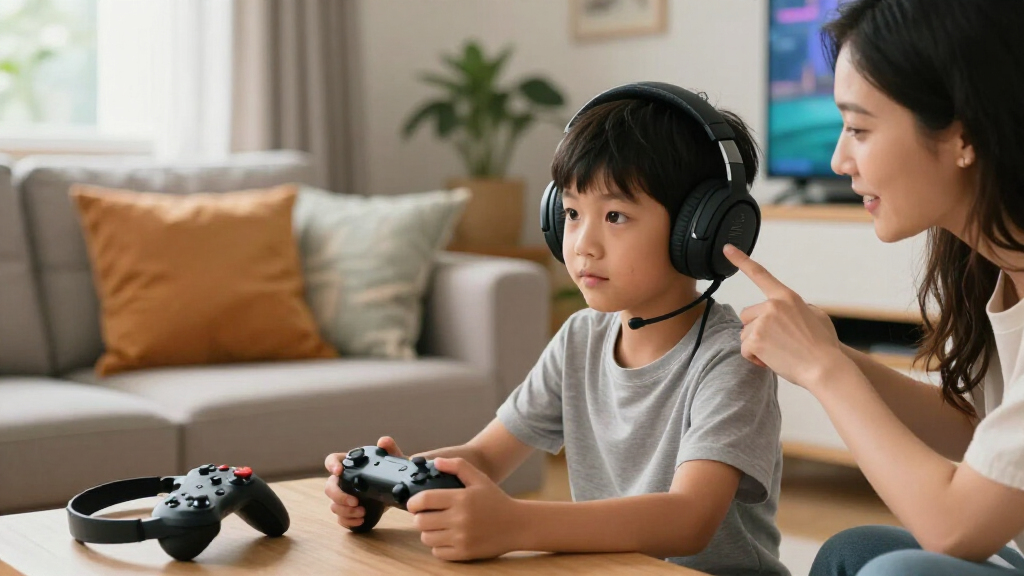
Audiologist Dr Jenn Schumacher says prolonged listening to gaming headsets at high volumes may increase children’s risk of tinnitus and other hearing strain. Signs can include ringing after headphone use, sleep or concentration problems, and asking others to repeat themselves; the source does not report new research or establish how often gaming causes lasting harm.
Audiologist Dr Jenn Schumacher has warned that children who use gaming headsets at high volume for long periods may face a greater risk of tinnitus, a perceived ringing, buzzing or humming in the ears. A MadeForMums report lists behavioral signs parents can watch for and recommends paying attention to listening volume and duration; it does not report a new study measuring the risk among young gamers.
Schumacher, an audiologist at ReSound, told MadeForMums that some popular headsets can reach 88.5 to 119 decibels. She compared those levels with normal conversation, at about 60 dB, and said prolonged exposure can begin to damage hearing at around 85 dB. These figures describe possible headset output and general exposure levels, not the volume every child experiences in ordinary play.
Schumacher said listening time can shrink as volume rises: she gave about eight hours at 85 dB and about 15 minutes at 100 dB as examples of safe exposure durations. The source does not explain the assumptions behind those estimates or provide an individual assessment for children. Long gaming sessions, background noise and turning up audio to hear game effects or teammates may make exposure harder for parents to judge.
Possible signs she identified include a child reporting ringing, buzzing or humming after gaming, struggling to sleep in a quiet room, seeking background noise, or having trouble concentrating. Parents might also notice more requests for repetition, a louder television setting, ear discomfort after long sessions, or avoidance of quiet places. These behaviors can have other explanations and do not by themselves confirm tinnitus or hearing damage.
How Headphone Habits Affect Exposure
The warning matters because headset use can extend beyond gaming. Schumacher said children may use the same headphones for music, videos and calls, adding listening exposure across the day. Parents may not be able to hear what their child hears through a headset, while game effects and voice chat can prompt a player to raise the volume.
Hearing symptoms can also be difficult to spot. Schumacher said children may not recognize that ringing is unusual, may assume it is normal, or may feel embarrassed to mention it. For parents, noticing a pattern—such as complaints after headset use or a new need for sound at bedtime—can prompt a conversation and, if concerns persist, a discussion with a qualified health professional. The report does not establish that gaming alone causes tinnitus in a particular child.
The practical focus is on volume, listening time and breaks, not automatically ending gaming. Schumacher recommends considering headsets with volume limits and using the 60/60 guideline: keep volume at no more than 60% of a device’s maximum and take a break after 60 minutes. This is guidance from the audiologist quoted in the report, not a guarantee against hearing injury.
children's gaming headphones with volume limiter
As an affiliate, we earn on qualifying purchases.
As an affiliate, we earn on qualifying purchases.
Gaming Versus Listening Exposure
The report distinguishes the activity from the sound exposure: Schumacher said gaming itself is not the problem she is warning about; the concern is listening loudly and for long periods. Competitive play may encourage children to amplify quieter sounds, such as footsteps or teammates, especially when other noise makes them harder to hear.
Headset design may also affect how sound feels. Schumacher said some models seal tightly around the ears or emphasize bass and effects, which can make audio seem more intense. The report does not compare specific products or identify a headset type as safe or unsafe. It presents a general case for checking available volume-limiting features and talking with children about their listening habits.
“Gaming itself isn’t the problem.”
— Dr Jenn Schumacher, audiologist at ReSound, quoted by MadeForMums
kids noise-canceling headphones for gaming
As an affiliate, we earn on qualifying purchases.
As an affiliate, we earn on qualifying purchases.
What the Report Does Not Establish
The supplied report is expert guidance, not a newly published study. It gives no estimate of how many children develop tinnitus from gaming, no comparison between gamers and non-gamers, and no evidence that a particular headset caused hearing loss in a child. It also does not specify how the quoted exposure-time examples account for individual differences or the full mix of sounds children encounter.
The behaviors listed are possible warning signs, not a diagnosis. The report does not say how long symptoms must last before they warrant evaluation or offer a method for measuring a child’s actual listening level. If a child reports persistent ringing, discomfort or difficulty hearing, parents can seek advice from an appropriate health professional; the source does not provide individual medical guidance.
child hearing protection earphones
As an affiliate, we earn on qualifying purchases.
As an affiliate, we earn on qualifying purchases.
Practical Steps for Families
The report recommends that parents talk with children about keeping headset volume moderate, taking regular breaks and using any available volume-limiting settings. The 60/60 rule is one guideline Schumacher offers, alongside checking how a headset fits and how its sound profile affects perceived loudness. These steps are intended to support safer habits, not to certify a particular device or guarantee protection.
Parents can also ask whether a child notices ringing or buzzing after gaming and watch for changes in sleep, concentration or requests for repetition. If symptoms continue or a child appears to have trouble hearing, the next step is to seek individualized advice from a qualified health professional. The report identifies no scheduled follow-up study, regulatory action or formal guidance update.
As an affiliate, we earn on qualifying purchases.
Key Questions
Does gaming itself cause tinnitus in children?
The report does not establish that gaming itself causes tinnitus. Dr Jenn Schumacher says the concern is listening at high volumes for long periods, including when headphones are used for other activities.
What signs of tinnitus should parents watch for?
Possible signs include a child describing ringing, buzzing or humming, especially after headphone use, or changes such as trouble sleeping in quiet, seeking background noise, concentration difficulties, or asking others to repeat themselves. These signs do not confirm a diagnosis.
What is the 60/60 listening guideline?
Schumacher recommends keeping volume at 60% of the device’s maximum and limiting listening to 60 minutes at a time before taking a break. The report presents this as a guideline, not a guarantee of safety.
Should children stop using gaming headsets?
The report does not recommend stopping gaming altogether. It advises families to focus on moderate volume, breaks and volume-limiting features, while paying attention to symptoms or changes in hearing-related behavior.
Source: rss
Fall Picks
fall essentials
As an affiliate, we earn on qualifying purchases.