
Your baby’s first genuine smile usually occurs between 6 to 8 weeks of age, an exciting milestone for both of you. This smile signals emotional and social development and isn’t just a reflex seen during sleep. Individual factors like temperament, health, and family interactions can influence when your little one starts smiling. Engaging with your baby can encourage those precious smiles. Stick around to discover more ways to foster your baby’s joyful expressions and development.
Key Takeaways
- Most babies typically produce their first genuine smile between 6 to 8 weeks of age.
- Reflexive smiles seen during sleep are not considered social smiles.
- Individual factors like temperament and health can influence the timing of a baby’s smile.
- Engaging in playful interactions, such as peek-a-boo, can encourage smiles.
- If no smile is observed by 3 months, consult a pediatrician for guidance.
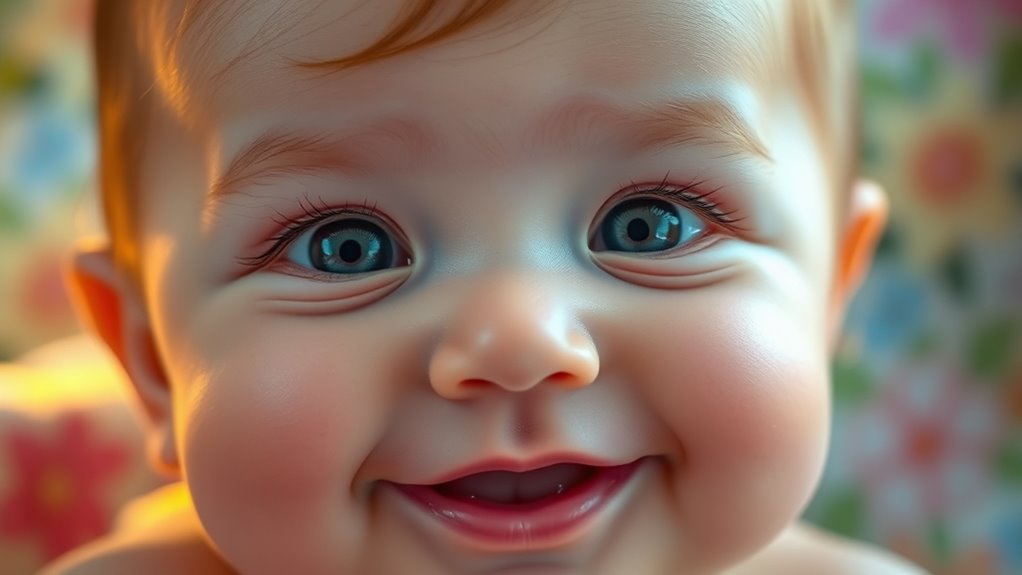
Have you ever wondered when your baby will flash that first genuine smile? It’s a moment that many parents eagerly anticipate. While babies are born with reflexive smiles, often seen during sleep, those aren’t social responses. Typically, you can expect your little one to share a true social smile between 6 to 8 weeks of age. However, if your baby was born prematurely, it’s important to remember that their milestone timing might be adjusted.
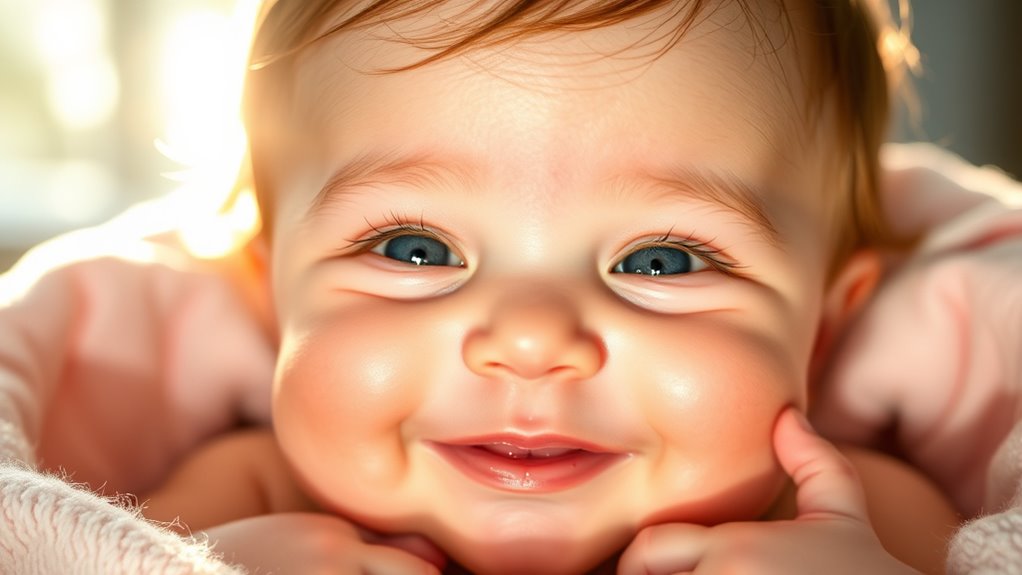
Many parents eagerly await their baby’s first genuine smile, typically seen between 6 to 8 weeks of age.
As your baby develops, you’ll notice that a social smile involves the whole face, not just the mouth. This smile signifies a significant step in their emotional and social development. Their ability to smile is influenced by various factors, including individual temperament and overall health. Some babies naturally smile sooner than others, while health conditions may play a role in the timing of that first smile. Cultural norms and family interactions can also shape how and when your baby expresses joy.
To encourage those precious smiles, make it a habit to smile regularly at your baby. They often respond to your expressions, so if you beam at them, they’re likely to beam back! Engaging in playful activities like peek-a-boo can elicit those delightful smiles, as can maintaining eye contact during your interactions. When you talk and sing to your little one, you stimulate their emotional responses and strengthen your bond. Creating a positive environment supports their social development and encourages expressive behaviors.
Smiling serves as an essential form of nonverbal communication for infants. It indicates happiness and contentment, helping to build trust and emotional connections with you. As they grow, their smiles will become more context-specific, showing their awareness of the world around them. Be attentive to the subtle differences in their smiles, as these can enhance your interactions and deepen your relationship.
Most babies start smiling regularly between 6 to 12 weeks, and laughter typically emerges around 3 to 4 months. By 3 months, many engage in “conversations” through coos and smiles. While some babies may smile later, if your little one hasn’t smiled by 3 months, it might be worth discussing with your pediatrician.

mommore Universal Stroller Organizer with Insulated Cup Holders
- Large Capacity Storage: Multiple compartments for essentials
- Insulated Cup Holders: Two spacious, versatile holders
- Additional Pockets: Mesh zip and quick-access wipe pocket
As an affiliate, we earn on qualifying purchases.
Frequently Asked Questions
What Should I Do to Encourage My Baby to Smile?
To encourage your baby to smile, engage in face-to-face interactions.
Make eye contact and use expressive facial gestures. Speak in a soothing, playful voice, and try activities like peek-a-boo or tickling for giggles.
Use mirrors to show your baby their own face, fostering connection.
Don’t forget physical touch—cuddling and gentle massages create a sense of security.
Responding to their smiles will boost their confidence and emotional development, so stay engaged!
Can My Baby Smile While Sleeping?
Yes, your baby can smile while sleeping!
It’s actually quite common and usually occurs during active or REM sleep. These smiles are often reflexive, helping to develop their facial muscles.
You might notice your little one smiling spontaneously, even before they start smiling while awake. This behavior is normal and not a cause for concern.
However, if you have any worries about your baby’s development, it’s always a good idea to talk to your pediatrician.
Is It Normal for My Baby to Smile Late?
It’s perfectly normal for your baby to smile late—think of it as a flower blooming at its own pace.
Each baby develops uniquely, and factors like health, temperament, and even their environment can influence when those first smiles appear.
While most babies start smiling between 6 and 12 weeks, some take a bit longer.
Just keep engaging with your little one; those smiles will come when they’re ready!
Patience is key.
How Can I Tell if My Baby Is Smiling Intentionally?
To tell if your baby’s smiling intentionally, look for a few key signs. Their smile should involve the whole face, especially the eyes, and last longer than a reflex smile.
Pay attention to when they smile; if it’s in response to your voice or familiar faces, that’s a positive indicator. Engaging in playful interactions, like peek-a-boo, can also encourage these intentional smiles.
Regularly smiling back at them reinforces this behavior, too.
Do All Babies Smile at the Same Age?
Imagine a garden where each flower blooms at its own pace, vibrant and unique.
No, not all babies smile at the same age. Some may blossom into smiles around 6 weeks, while others take longer, influenced by factors like temperament and health.
You’ll find that nurturing interactions, like singing and eye contact, can help your little one flourish.
Celebrate their journey, as each smile is a beautiful milestone in your shared adventure.

Stroller Organizer with Cup Holder, Non-Slip Stroller Caddy Baby Essentials
- Large Capacity Storage: Holds bottles, diapers, toys, snacks
- Ideal Gift for New Moms: Perfect for baby showers and gender reveals
- Universal Compatibility: Fits most stroller brands and models
As an affiliate, we earn on qualifying purchases.
Conclusion
As you witness your baby’s first smile, it’s a heartwarming moment you’ll cherish forever. This tiny gesture not only brightens your day but also strengthens the bond between you and your little one. Can you imagine the joy that spreads across your face as you realize your baby recognizes you? Embrace these early milestones, as each smile marks a new chapter in their growth, reminding you just how precious these fleeting moments truly are.
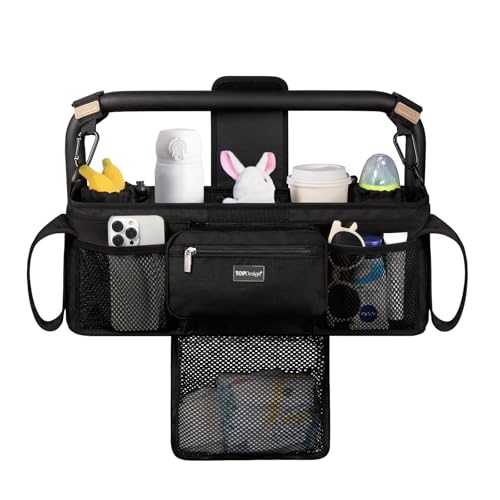
TOPDesign Universal Baby Stroller Organizer, Double Stroller Caddy with Detachable Mesh Bag & Heightened Insulated Cup Holders & Non-Slip Secure Hooks Accessories, Fits Most Strollers (Black)
- Detachable Mesh Laundry Bag: Extra storage for clothes and diapers
- Multi-Functional Organizer: Keeps essentials organized and accessible
- Insulated Cup Holders: Holds bottles, water, or coffee cups
As an affiliate, we earn on qualifying purchases.

Infantino Water Teethers, Cooling & Massaging Relief, Lime/Blue, 3-Pack
- Cooling Relief: Filled with purified water for cooling
- Easy-to-Hold Design: Circular shape for small hands
- Textured Surfaces: Bumps and ridges for gum massage
As an affiliate, we earn on qualifying purchases.