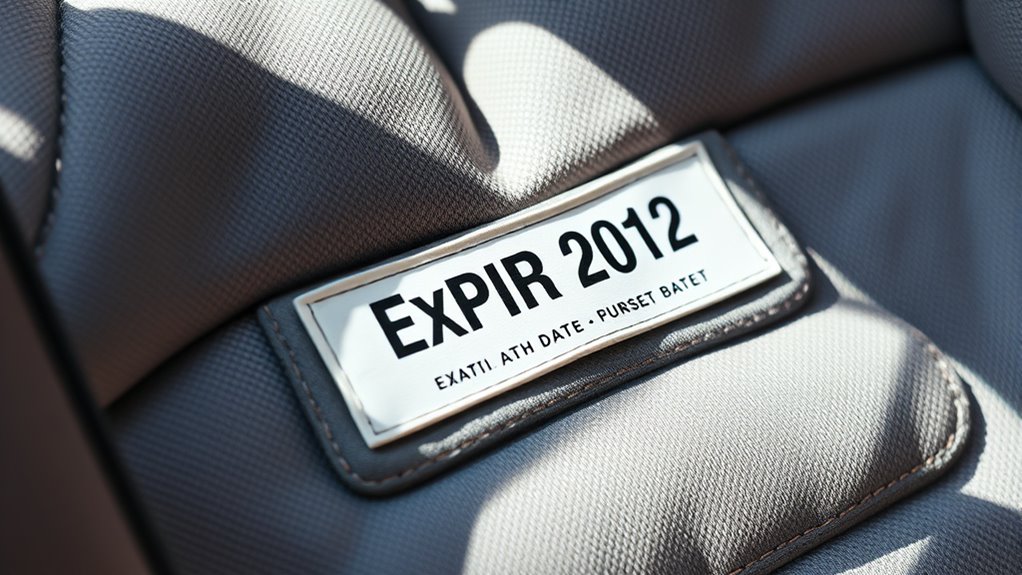

Car seats have expiration dates because materials like plastic and foam break down over time, making them less safe in a crash. Sunlight, temperature changes, and regular use accelerate this deterioration, which can weaken the seat’s structure and harnesses. Using an expired seat may not provide the safety you expect. Staying aware of expiration dates helps protect your child. Continue to explore how to identify and maintain your child’s car seat for ideal safety.

Turn the school run and nap time into listening time
- Thousands of audiobooks, podcasts and originals
- Listen on your phone, tablet or Echo — also offline
- Cancel anytime
Key Takeaways
- Car seats contain materials that degrade over time, reducing safety effectiveness.
- Expiration dates ensure seats meet current safety standards and haven’t deteriorated.
- Using an expired seat may compromise crash protection for your child.
- Proper installation and regular inspections maintain safety and identify potential issues.
- Staying aware of recalls and replacing expired seats is essential for child safety.

Have you ever wondered whether your child’s car seat has an expiration date? It’s a common question and a fundamental one to consider. Car seats don’t last forever, and understanding why they have expiration dates can help you keep your little one safe. Over time, materials like plastic and foam degrade, exposure to sunlight can weaken components, and safety standards evolve. Manufacturers set expiration dates to guarantee that the seat performs as intended during a crash, so using an outdated seat could compromise your child’s safety. Proper maintenance and regular inspection are also vital for ensuring continued safety and longevity of the seat. One of the key reasons for these expiration dates is that safety regulations are constantly updated based on new research and accident data. What was considered safe ten or fifteen years ago might not meet current standards. As a result, car seat manufacturers include expiration dates to encourage parents and caregivers to replace them with newer models that adhere to the latest safety regulations. Additionally, the materials used in seats—such as the plastic shell or harness components—can deteriorate over time, even if the seat hasn’t been involved in a crash. Sunlight, temperature fluctuations, and general wear and tear can weaken the seat’s structure, making it less effective in a crash. When it comes to installation tips, it’s essential to follow the manufacturer’s guidelines precisely. Proper installation guarantees the seat functions as intended, and every seat should come with clear instructions on how to secure it correctly in your vehicle. If you’re unsure about installing your car seat, many local safety programs or hospitals offer free assistance. Remember, a seat that isn’t installed correctly can be just as dangerous as using an expired one. Check the expiration date before installing or reusing a seat, and always inspect it for any signs of damage or wear. Keeping up with safety regulations also means staying informed about recalls or safety notices related to your specific model. Sometimes, manufacturers issue recalls that require replacing certain parts or even the entire seat. Staying proactive helps you guarantee your child’s safety is never compromised. Ultimately, paying attention to your car seat’s expiration date, following proper installation tips, and adhering to current safety regulations are essential steps in protecting your child on every trip. It’s a simple yet powerful way to prioritize their safety and peace of mind, knowing you’re doing everything possible to keep them secure.
Frequently Asked Questions
Can I Still Use a Expired Car Seat in an Emergency?
You shouldn’t use an expired car seat in an emergency because it compromises car seat safety. Expired seats may have weakened materials or missing safety features, putting your child at risk. In an emergency, your priority is protection, so always check the expiration date before use. If you’re in a pinch, seek a nearby safe alternative, but remember, proper car seat safety is vital for your child’s well-being during any situation.
Do Expiration Dates Vary Between Different Car Seat Brands?
Yes, expiration dates vary between different car seat brands because of manufacturer standards. Each brand may set its own expiration based on materials, design, and safety testing, so you should always verify the label on your specific seat. Don’t assume all seats expire at the same time—manufacturer differences mean some might last longer or shorter. Always follow the manufacturer’s guidelines to ensure your child’s safety.
How Can I Tell if a Car Seat Has Expired Without a Date?
You can’t always tell if a car seat has expired without a date, but age-related wear is a clue. Over time, plastic and fabric degrade, reducing safety. Check the manufacturer guidelines, which often include signs like cracks, fading, or loosened harnesses. If you notice any of these, it’s best to replace the seat. Remember, even without a visible date, safety depends on observing these indicators carefully.
Are There Any Signs a Car Seat Is No Longer Safe?
You can tell if a car seat is no longer safe through a visual inspection for cracks, broken parts, or mold. Check for any signs of manufacturing defects, such as missing or damaged straps and buckles. If anything looks compromised or if the seat has been in a crash, it’s best to replace it. Trust your eyes—if something seems off, don’t risk your child’s safety.
What Should I Do With an Expired Car Seat?
When your car seat expires, you should replace it immediately, following the replacement guidelines to make certain your child’s safety. Don’t toss it in the trash—instead, consider car seat recycling programs or donation options if it’s still in good condition. Properly disposing of or recycling your expired seat helps protect the environment and keeps your child secure in a new, up-to-date model. Always prioritize safety and responsible disposal.
Conclusion
Just like a fresh apple eventually spoils, your car seat also has a shelf life. Checking expiration dates guarantees your child’s safety isn’t compromised by wear and tear, or outdated safety standards. Don’t wait until it’s too late—think of it as giving your little one a fresh, secure hug every time they sit down. Regularly replacing your car seat is a simple step that keeps your child safe and sound, just like a sturdy shield protecting them on every ride.
Fall Picks
fall essentials
As an affiliate, we earn on qualifying purchases.