
Microwave sterilizers generally kill more germs faster than boiling water because they produce high-temperature steam quickly and evenly, ensuring thorough sterilization. Boiling water can be effective if items are fully submerged and boiled for the right amount of time, but it’s more dependent on proper procedures. If you want a quick, reliable way to eliminate germs, microwave sterilizers are often the better choice. Keep going to learn more about their differences and best uses.
Key Takeaways
- Microwave sterilizers produce rapid, high-temperature steam that generally kills germs more consistently than boiling water.
- Proper boiling can effectively eliminate germs if items are fully submerged and boiled for the correct duration.
- Microwave sterilization offers more uniform sterilization with less risk of uneven germ removal compared to boiling.
- Both methods are effective when used correctly, but microwave sterilizers often provide higher temperature and faster results.
- Material compatibility may limit boiling for some plastics, making microwave sterilizers a more effective option for diverse items.
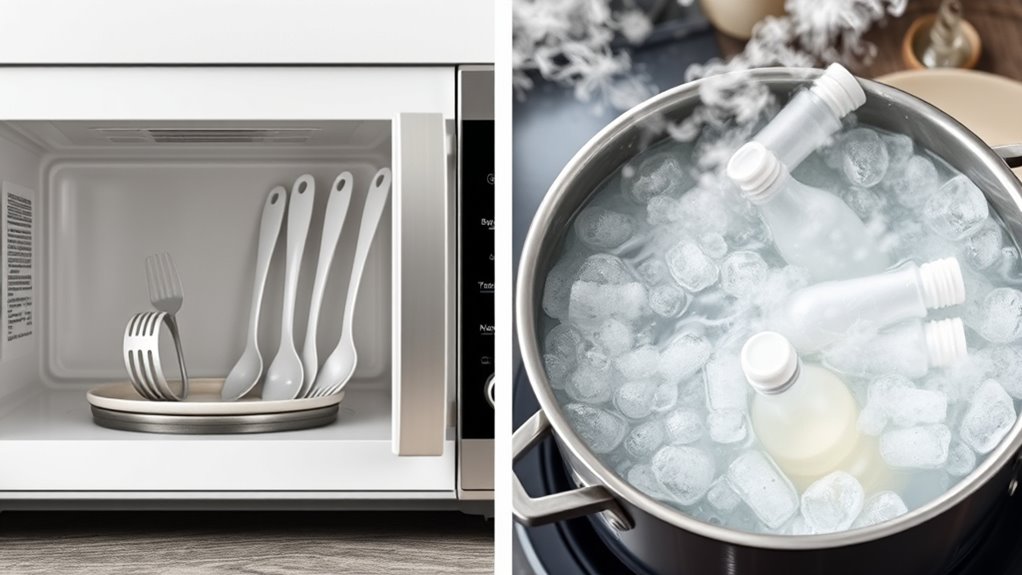
When it comes to sterilizing baby bottles, pacifiers, or kitchen utensils, you have several options, but two of the most common are microwave sterilizers and boiling water. Both methods aim to eliminate germs and ensure food safety, but they differ in effectiveness, convenience, and the sterilization methods used. Understanding which kills more germs can help you make better choices for your family’s health.
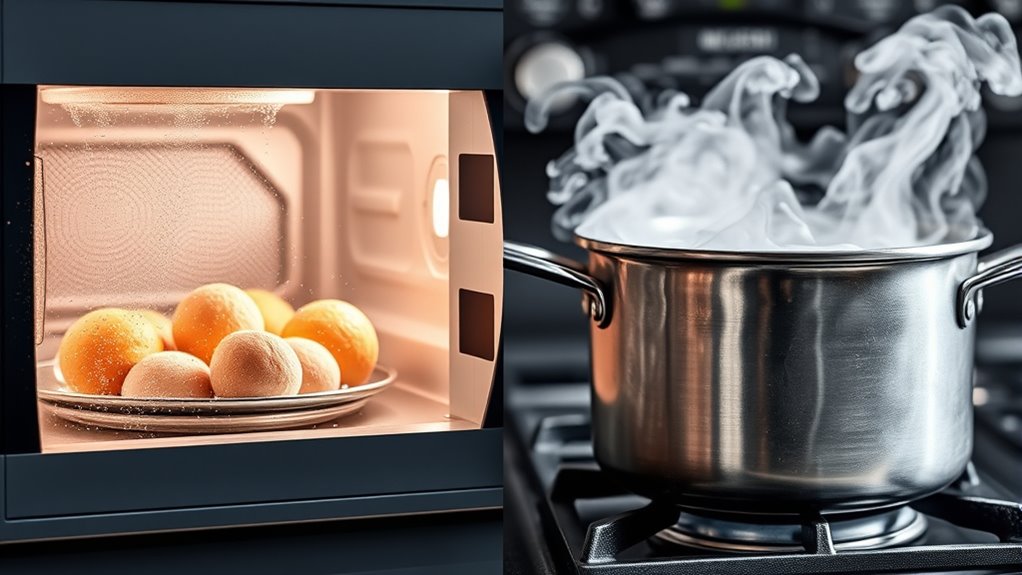
Microwave sterilizers use steam to kill bacteria, viruses, and other pathogens. They are quick, easy to use, and often come with designated containers that fit right into your microwave. When you operate a microwave sterilizer, the device heats water to produce steam, which envelops the items inside and destroys germs efficiently. Because of the high temperature and rapid steam production, microwave sterilizers are generally very effective at sterilization. They also tend to be more consistent, reducing the risk of uneven sterilization that might occur with other methods. Additionally, they are convenient for busy parents because they can sterilize multiple items in just a few minutes without the need for boiling water on the stove. High-temperature steam is a key factor that enhances their sterilization effectiveness. Moreover, the controlled environment inside microwave sterilizers minimizes the chance of contamination during the process. The convenience of using microwave sterilizers makes them a popular choice for quick daily sterilization routines. Proper storage of sterilized items can help maintain their germ-free status until use.
Microwave sterilizers quickly and effectively kill germs using steam, offering a convenient solution for busy parents.
Boiling water is a traditional sterilization method that involves submerging items in a pot of boiling water for a specified period, usually around five minutes. This process relies on high heat and direct contact with boiling water to kill germs. While boiling water is a reliable method, its effectiveness can be influenced by factors such as water temperature consistency, duration, and whether the items are fully submerged. It’s a simple, inexpensive way to sterilize, especially when you don’t have specialized equipment, but it can be less convenient if you need to sterilize multiple items regularly or if you’re short on stove space. Also, some materials, like certain plastics or silicone, might not withstand boiling temperatures, which could limit your sterilization options.
Using proper sterilization techniques is essential to ensure germs are effectively eliminated, regardless of the method chosen. In terms of food safety, both methods are effective if done properly. Microwave sterilizers often provide a more consistent sterilization process because they generate steam rapidly and evenly, reducing the chance of germs surviving. Boiling water can be just as effective if you follow the correct procedure, but it requires careful attention to ensure items are fully submerged and boiled for the appropriate time. Proper temperature control during boiling is important to maximize sterilization. To further improve sterilization, using a timer and thermometer can help ensure optimal conditions are met. Ultimately, if you want a quick, reliable, and easy-to-use method, microwave sterilizers often have the edge. However, boiling water remains a dependable, economical option, especially when you’re prepared to monitor and control the process carefully. Both methods are valid sterilization methods, but knowing their strengths helps you choose the best one for your needs, ensuring your baby’s items are safe and germ-free.

mommore Universal Stroller Organizer with Insulated Cup Holders
- Large Capacity Storage: Multiple compartments for essentials
- Insulated Cup Holders: Two spacious, versatile holders
- Additional Pockets: Mesh zip and quick-access wipe pocket
As an affiliate, we earn on qualifying purchases.
Frequently Asked Questions
Are Microwave Sterilizers Safe for All Types of Plastics?
When considering if microwave sterilizers are safe for all plastics, you should check plastic safety and material compatibility. Not all plastics withstand microwave heat, which can cause melting or releasing harmful chemicals. Always look for microwave-safe labels on plastics, and avoid using those that aren’t designed for high temperatures. By understanding plastic safety and material compatibility, you guarantee safe sterilization without damaging your containers or risking health hazards.
How Long Does Each Method Take to Sterilize Effectively?
You might think sterilization duration varies widely, but both methods are quick. Microwave sterilizers typically take 2 to 4 minutes for effective sterilization, depending on the model and load. Boiling water usually needs about 10 minutes of boiling to guarantee germs are killed. The timing comparison shows microwaves are faster, but both methods are reliable when used properly. Your choice depends on convenience and equipment available.
Can Microwave Sterilizers Be Used for Items Other Than Baby Bottles?
You can use microwave sterilizers for more than just baby bottles. They’re versatile household sterilization options that work well for small items like pacifiers, toys, and kitchen utensils. Just guarantee items are microwave-safe and follow the manufacturer’s instructions. Alternative sterilization methods include boiling water, chemical sterilizers, or UV sterilizers, but microwave sterilizers offer a quick, convenient way to keep various household items germ-free without extra equipment.
Does Boiling Water Remove Chemical Residues From Items?
Think of boiling water as a fierce knight battling water contaminants. It can remove some chemical residues, but it’s not a magic wand. Boiling may reduce certain chemical residues, but it doesn’t guarantee all harmful substances are gone. Some chemical residues cling stubbornly, like shadows that won’t fade. To truly remove chemical residues, you might need specialized cleaning methods, as boiling alone isn’t always enough to clear all water contaminants.
Which Method Is More Energy-Efficient for Sterilization?
When choosing a sterilization method, you’ll want to contemplate energy consumption and environmental impact. Boiling water uses less energy overall and has a lower environmental footprint, making it more sustainable. Microwave sterilizers, while faster, consume more power and may generate more waste or emissions. So, if you’re aiming for energy efficiency and reducing environmental impact, boiling water is the better choice for sterilization.
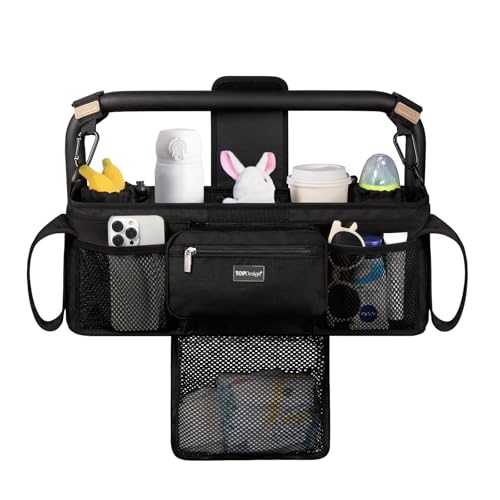
TOPDesign Universal Baby Stroller Organizer, Double Stroller Caddy with Detachable Mesh Bag & Heightened Insulated Cup Holders & Non-Slip Secure Hooks Accessories, Fits Most Strollers (Black)
- Detachable Mesh Laundry Bag: Extra storage for clothes and diapers
- Multi-Functional Organizer: Keeps essentials organized and accessible
- Insulated Cup Holders: Holds bottles, water, or coffee cups
As an affiliate, we earn on qualifying purchases.
Conclusion
So, after all this, it’s funny how you might trust your microwave’s sterilizer more than boiling water—thinking it’s the ultimate germ killer. But don’t forget, sometimes old-school boiling still reigns supreme, proving that just because something’s high-tech doesn’t mean it’s always better. So next time you’re disinfecting, ask yourself: are you really safer with that microwave, or are you just microwave-ing your doubts away? Either way, germs better watch out!

Stroller Organizer with Cup Holder, Non-Slip Stroller Caddy Baby Essentials
- Large Capacity Storage: Holds bottles, diapers, toys, snacks
- Ideal Gift for New Moms: Perfect for baby showers and gender reveals
- Universal Compatibility: Fits most stroller brands and models
As an affiliate, we earn on qualifying purchases.

Itzy Ritzy Water-Filled Teethers for Teething Relief, Set of 3 Green Cactus
- Stylish Water-Filled Teethers: Set of 3 trendy, functional teethers
- Dual-Sided Textured Surfaces: Provides complete gum soothing and massage
- Refrigerate for Extra Relief: Chill for a calming, cooling effect
As an affiliate, we earn on qualifying purchases.