The most common mistake parents make is assuming that buckling the child into the car seat is enough for safety. In reality, many overlook the importance of proper installation, like securing the seat tightly and ensuring the right angle. A loosely fitted seat can reduce crash protection substantially. To keep your child safe, you need to pay close attention to installation details. Keep going to discover simple tips that can make a big difference.

Get baby and family essentials delivered free — and shop member deals
- Fast, free delivery on millions of items
- Access to Prime Big Deal Days deals on October 6–7
- Prime Video, Amazon Music and more included
Key Takeaways
- Many parents assume strapping the seat is enough, neglecting proper installation and secure anchoring.
- Failing to follow safety regulations regarding weight, height, and recline angle compromises seat effectiveness.
- Not double-checking the seat’s fit after installation can lead to looseness and reduced crash protection.
- Improper harness adjustment, like slack or incorrect chest clip placement, weakens child safety during impact.
- Overlooking detailed installation steps or components increases the risk of improper setup and safety failures.
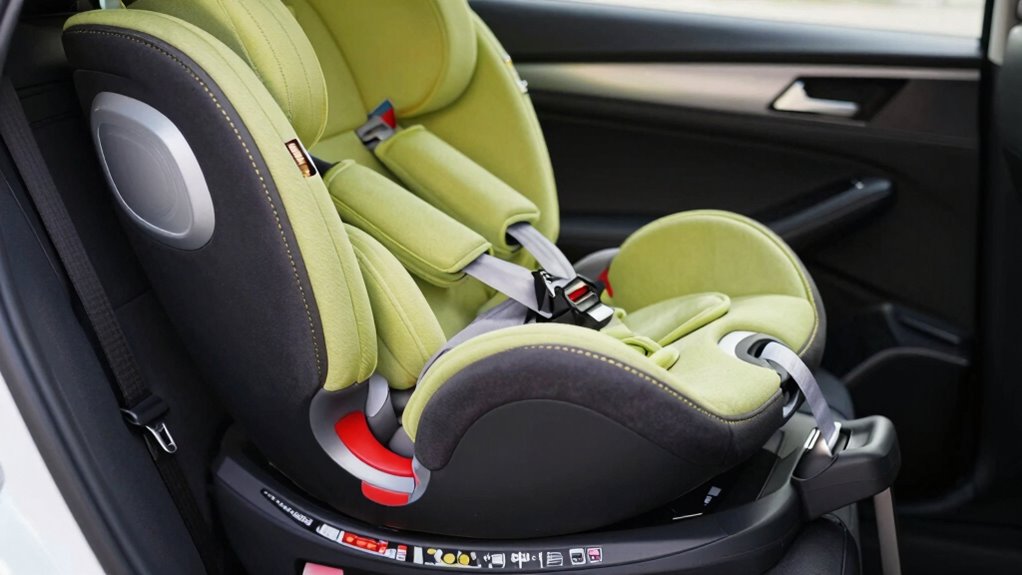
Installing a car seat correctly is essential for your child’s safety, but many parents make common mistakes that compromise its effectiveness. One of the most frequent errors is improper installation, often caused by overlooking fundamental installation tips or misinterpreting safety regulations. When you’re setting up your car seat, it’s easy to assume that just strapping it in is enough. However, a loosely fitted seat or incorrect angle can considerably reduce its protective capabilities during a crash. That’s why paying close attention to installation tips is crucial. For example, always ensure the seat is securely anchored with minimal movement—ideally less than an inch side-to-side or front-to-back. Using the LATCH system or seat belt correctly is also essential; follow the manufacturer’s instructions precisely to avoid slack or improper routing. Additionally, understanding proper installation techniques can make a significant difference in ensuring safety and stability. Many parents overlook the importance of reading the safety regulations that come with your car seat. These regulations are designed to maximize safety and should be your guiding principles during installation. For instance, some seats are only suitable for specific weight or height ranges, and installing a seat outside those parameters can compromise safety. Additionally, safety regulations often specify the correct recline angle for infants and toddlers, which helps keep their airways open and prevents slumping. Ignoring these guidelines can result in a seat that’s either too upright or too reclined, reducing its effectiveness in protecting your child during sudden stops or collisions. Another common mistake is not double-checking the seat’s fit after installation. Once you think you’ve secured everything correctly, give the seat a firm shake at the base to ensure it’s tightly installed. Many parents also forget to verify the harness system once the seat is in place. The harness straps must be snug against your child’s body, with no slack, and the chest clip should be positioned at armpit level. Proper harness fit is just as important as the seat installation itself because it keeps your child securely in place during a crash. Following detailed installation tips and adhering to safety regulations will help you avoid these pitfalls.
car seat installation check tool
As an affiliate, we earn on qualifying purchases.
As an affiliate, we earn on qualifying purchases.
Frequently Asked Questions
How Can I Tell if My Car Seat Is Installed Correctly?
To guarantee your child seat safety, check if your car seat is installed correctly by testing for tightness—try to move it side to side or front to back; there should be minimal movement. Follow the installation guidelines carefully, ensuring the harness is snug and the seat is at the proper angle. Many car seats have indicator levels or guides—use them to confirm correct installation, giving you peace of mind.
What Are Common Signs of a Faulty Car Seat Installation?
Imagine the seat belt tension feeling loose or the harness snugness slipping when you tug gently—these are signs of a faulty installation. If your car seat shifts side to side or front to back more than an inch, or if the harness isn’t tight enough to prevent movement, it’s time to double-check. Proper installation guarantees safety, so regularly test the fit to keep your child secure on every ride.
Does the Type of Vehicle Affect Installation Procedures?
Yes, the type of vehicle affects installation procedures. You should check vehicle compatibility to verify the car seat fits correctly and consult your vehicle’s manual for specific instructions. Different cars require different seat adjustment techniques, such as using the seat belt or LATCH system, to secure the seat properly. Always test the installation by giving the seat a firm shake to confirm it’s securely in place and safe for your child.
Are There Specific Tools Needed for Proper Installation?
Think of installation tools as your car seat’s trusted toolkit—they’re essential for meeting safety standards. You’ll need a level, a harness tightener, and sometimes a screwdriver or wrench, depending on your vehicle. These tools guarantee your child’s seat is as secure as a fortress, meeting all safety standards. Without them, your installation could be shaky, risking your child’s safety. Always check your car seat’s manual for specific tool requirements.
How Often Should I Check the Car Seat’s Installation Stability?
You should check your car seat’s installation stability every month to make sure it’s secure. Regularly inspect for signs of looseness or movement, especially after trips or adjusting the seat. Stay informed about car seat recalls by checking manufacturer updates, and review installation tutorials to confirm you’re following the correct steps. Doing this helps keep your child safe and prevents common mistakes that can compromise protection.
As an affiliate, we earn on qualifying purchases.
Conclusion
To avoid making the most common car seat mistake, always double-check that your seat is tightly secured and correctly positioned. For example, imagine a parent who thought their seat was secure until they noticed it shifted during a quick stop. Proper installation can prevent injuries and give you peace of mind. Take the time to follow the instructions carefully, ensuring your child’s safety every time you hit the road. Your diligence could make all the difference.
As an affiliate, we earn on qualifying purchases.
As an affiliate, we earn on qualifying purchases.
Halloween Picks
halloween
As an affiliate, we earn on qualifying purchases.