
Extending rear-facing car seats offers the best protection for your child’s head, neck, and spine during a crash. It distributes crash forces across their back, reducing injury risks and keeping their body properly supported. Many parents switch too early, but keeping your child rear-facing until they reach the manufacturer’s height or weight limits is safest. Following these guidelines and ensuring proper seat installation can make a big difference—if you want to learn how to do it right, keep exploring these essential safety tips.
Listen free for 30 days with Audible
Thousands of audiobooks and originals — cancel anytime.
As an affiliate, we earn on qualifying purchases.
Key Takeaways
- Rear-facing seats protect the head, neck, and spine by distributing crash forces across the child’s back.
- Experts recommend keeping children rear-facing until they reach the seat’s maximum weight or height limit.
- Proper installation and regular seat adjustments ensure maximum safety and compliance with manufacturer guidelines.
- Transition to forward-facing too early increases injury risk; patience and adherence to guidelines are vital.
- Staying informed and following safety tips helps parents make confident, safe decisions about extended rear-facing.
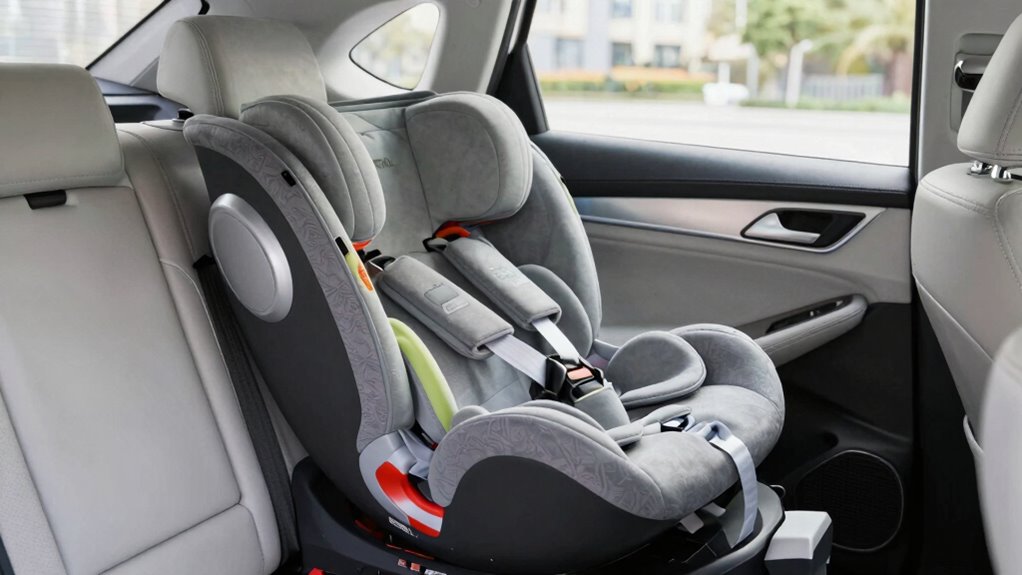
Have you ever wondered why keeping your child rear-facing longer is recommended? It’s a common question among parents trying to navigate the confusing world of car seat guidelines. The truth is, rear-facing seats provide the best protection for your child’s head, neck, and spine in case of a crash. When your child faces backward, the force of an impact is distributed across the car seat’s back, reducing stress on their delicate body parts. Experts agree that this positioning is safer because it minimizes injury risks during sudden stops or accidents.
Keeping your child rear-facing longer offers the best protection for their head, neck, and spine during a crash.
Many parents don’t realize that the shift to forward-facing seats is often prematurely made, sometimes before children have grown enough to meet the recommended age or weight limits. That’s where understanding car seat guidelines becomes essential. These guidelines, established by safety organizations and manufacturers, are designed to maximize your child’s safety. They recommend keeping your child rear-facing until they reach the maximum weight or height allowed by the car seat’s manufacturer, which is often well beyond the age of two. By following these guidelines, you assure your child remains in the safest position for as long as possible.
Child safety tips emphasize patience and attentiveness. It might seem tempting to switch your child to a forward-facing seat once they’re “big enough,” but it’s imperative to adhere to the manufacturer’s instructions. Remember, a rear-facing seat is not just a legal requirement—it’s a safety feature designed to protect your child’s developing body during a crash. Additionally, make sure the seat is installed correctly, sitting at the right angle, snugly secured, and appropriate for your child’s weight and height. Proper installation is key to guaranteeing the safety benefits of the seat are fully realized.
Keeping your child rear-facing longer also means regularly checking the car seat’s weight and height limits. As your child grows, you’ll need to update the seat or adjust the harness accordingly. This proactive approach aligns with child safety tips that stress the importance of ongoing vigilance and proper seat use. Remember, every time you choose to rear-face your child longer, you’re taking a significant step toward reducing injury risk and giving your little one the best protection possible. It may require some patience and adjustments, but it’s a small effort for a much safer journey. Staying informed about car seat guidelines and following child safety tips guarantees you’re making the best decisions for your child’s safety every time you get behind the wheel.
As an affiliate, we earn on qualifying purchases.
Frequently Asked Questions
When Should I Start Extending Rear-Facing Beyond the Minimum Age?
You should start extending rear-facing beyond the minimum age once your child reaches the car seat’s height and weight limits, following safety guidelines. Upgrading your car seat as your child grows guarantees maximum safety. Keep them rear-facing until at least age 2 or longer if the seat permits, since extended rear-facing offers better protection. Prioritize safety over convenience by choosing the right car seat and adhering to expert recommendations.
Are There Specific Car Models That Better Support Extended Rear-Facing?
Choosing a car that supports extended rear-facing is like finding a puzzle piece that fits perfectly. Some models, like Subaru Outback or Honda Odyssey, tend to have better car seat compatibility and ample space for rear-facing seats. Look for vehicles with adjustable seats, easy LATCH systems, and strong safety features. These factors make it easier to keep your child rear-facing longer, ensuring safer travel and peace of mind.
How Do I Know if My Child’s Car Seat Is Compatible With Extended Rear-Facing?
To know if your child’s car seat is compatible with extended rear-facing, check the seat’s label for weight and height limits that support extended rear-facing. You should also review the seat’s manual for vehicle fit and compatibility. Test the seat in your vehicle, ensuring it fits securely without excessive movement. If unsure, consult the car seat manufacturer or your vehicle’s owner’s manual for guidance on seat compatibility and vehicle fit.
What Are the Common Misconceptions About Extended Rear-Facing Safety?
Many misconceptions about extended rear-facing safety persist, but myth debunking shows it’s safer for your child. Some believe it limits their view or is unnecessary, but safety statistics prove extended rear-facing reduces injury risk profoundly. You might think it’s uncomfortable, yet studies confirm kids remain comfortable and secure. Trust the data, prioritize your child’s safety, and understand that extended rear-facing is a proven, beneficial choice for your child’s protection.
How Often Should I Check My Child’s Seat Installation for Proper Fit?
Checking your child’s seat installation is like tuning a musical instrument—you want everything to be just right. You should do this at least once a month and before long trips. Make sure the seat belt and vehicle anchors are tight and secure, with no more than an inch of movement. Regular checks guarantee your child’s safety, giving you peace of mind that the seat stays properly fitted as they grow.
As an affiliate, we earn on qualifying purchases.
Conclusion
By choosing extended rear-facing, you’re giving your child the best possible protection—like a sturdy shield guarding them from harm. It might feel like a big step, but it’s worth it for their safety and peace of mind. Remember, this isn’t just a trend; it’s a proven way to keep your little one safer for longer. So, trust the experts and keep them rear-facing as long as possible—because their safety is worth it.
child safety seat installation kit
As an affiliate, we earn on qualifying purchases.
As an affiliate, we earn on qualifying purchases.
convertible car seat for toddlers
As an affiliate, we earn on qualifying purchases.
As an affiliate, we earn on qualifying purchases.
Fall Picks
fall essentials
As an affiliate, we earn on qualifying purchases.