Staying up-to-date on vaccinations during pregnancy is essential for protecting both your health and your baby’s. Make sure you’re current on recommended vaccines like the flu shot and Tdap, especially during key times in pregnancy. Talk openly with your healthcare provider about any concerns and follow their guidance on timing and safety. Keeping track of your immunizations helps prevent preventable diseases and supports a healthier pregnancy—so keep an eye out for more details ahead.

Turn the school run and nap time into listening time
- Thousands of audiobooks, podcasts and originals
- Listen on your phone, tablet or Echo — also offline
- Cancel anytime
Key Takeaways
- Follow your healthcare provider’s recommended vaccination schedule during pregnancy, especially for flu and Tdap vaccines.
- Schedule vaccinations during appropriate pregnancy stages to ensure maximum protection for mother and baby.
- Communicate openly with your healthcare provider about any concerns or side effects.
- Stay informed about new or updated vaccine guidelines from trusted health authorities.
- Keep a record of all received vaccines and share it with your prenatal care team.
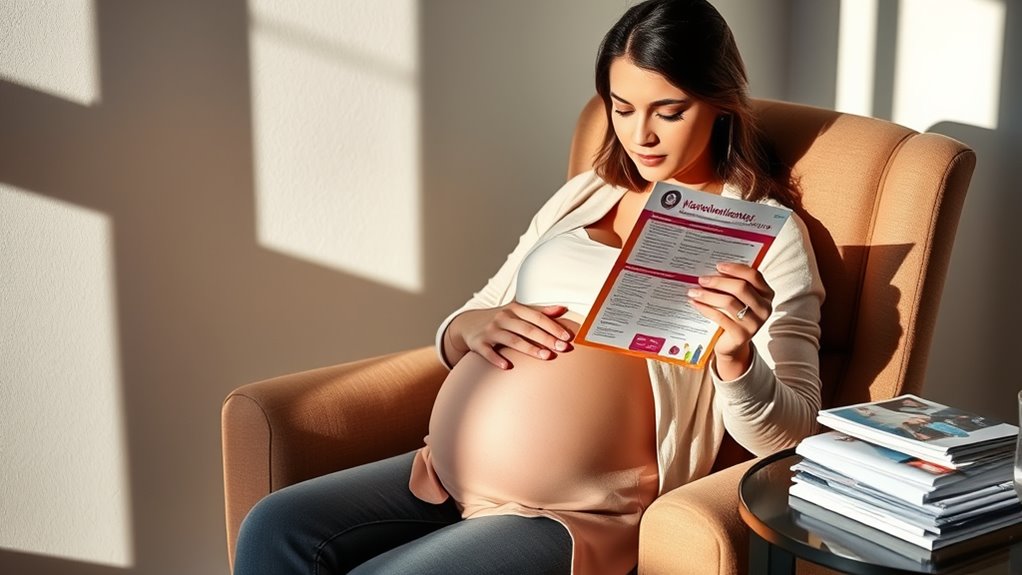
Getting vaccinated during pregnancy is an important step to protect both you and your baby from preventable diseases. When it comes to prenatal immunization, understanding vaccine safety is essential. Many expectant mothers worry about the safety of vaccines during pregnancy, but research shows that most vaccines are safe and effective when administered appropriately. Healthcare providers carefully evaluate the benefits and potential risks, ensuring that the vaccines recommended during pregnancy are safe for both mother and child. Vaccines like the flu shot and Tdap are specifically recommended because they help prevent serious illnesses that could harm you or your baby. These vaccines have been thoroughly tested and monitored, providing reassurance that they are safe to receive during pregnancy.
Staying up-to-date on vaccinations means more than just getting the recommended shots; it involves understanding when and which vaccines are appropriate. Prenatal immunization schedules are designed to protect you during critical periods of pregnancy, reducing your risk of complications caused by preventable diseases. For example, receiving the Tdap vaccine during the third trimester significantly lowers your baby’s risk of pertussis (whooping cough), which can be life-threatening to newborns. The flu vaccine is also recommended because pregnancy naturally suppresses your immune system, making you more vulnerable to severe flu complications. By keeping your vaccinations current, you help safeguard your health and give your baby a healthier start in life.
You might wonder about the safety of vaccines in pregnancy and whether they could affect your developing baby. Rest assured, most vaccines are made from inactivated viruses or components that can’t cause illness. Live vaccines, such as MMR or varicella, are generally avoided during pregnancy unless specifically advised by your healthcare provider. The key is open communication—discuss any concerns with your doctor, who can provide evidence-based guidance tailored to your health history. They’ll review your vaccination record, recommend necessary immunizations, and address any questions about vaccine safety or potential side effects.
In addition to protecting yourself, staying current with prenatal immunization helps prevent the spread of contagious diseases within your community. It’s a proactive step that benefits your entire family and those around you. Remember, healthcare providers are your best resource for personalized advice about vaccination timing and safety. By prioritizing your vaccinations during pregnancy, you’re actively contributing to a healthier pregnancy and a stronger, more resilient beginning for your baby. Trust the science, follow your healthcare provider’s recommendations, and stay informed so you can confidently navigate your prenatal care.
prenatal vaccination record organizer
As an affiliate, we earn on qualifying purchases.
As an affiliate, we earn on qualifying purchases.
Frequently Asked Questions
Are There Any Vaccines Safe During Breastfeeding?
Yes, many vaccines are safe during breastfeeding. You might hear vaccine myths or immunization myths suggesting otherwise, but current evidence shows that vaccines like the flu shot and Tdap are safe for both you and your baby. These vaccines help protect your infant from illness without passing harmful substances through breast milk. Always talk to your healthcare provider to get personalized advice and dispel any vaccine myths you’ve heard.
How Can I Track Upcoming Vaccination Schedules?
You can easily track your upcoming vaccination schedules by keeping a detailed vaccination record, which helps you stay organized. Use appointment reminders on your phone or calendar apps to alert you ahead of time. Regularly check with your healthcare provider or trusted health websites for updates on recommended vaccines. This proactive approach guarantees you don’t miss essential shots, keeping both you and your baby protected during pregnancy and beyond.
Are There Cultural or Religious Considerations for Vaccinations?
Cultural beliefs and religious practices can influence your decision to get vaccinated during pregnancy. Some traditions may have specific views on medical interventions, while others encourage vaccination to protect both mother and baby. It’s important to respect these beliefs and discuss them with your healthcare provider. They can help find culturally sensitive options or address concerns, ensuring you stay protected while honoring your beliefs.
What to Do if a Vaccination Is Missed During Pregnancy?
Did you know that about 10% of pregnant women miss recommended vaccines? If you miss a dose, don’t worry—consult your healthcare provider promptly. They can advise you on the best course of action based on your vaccine timing and which doses were missed. Usually, catching up is safe and straightforward, but it’s important to act quickly to protect both you and your baby from preventable diseases.
Can Vaccinations Affect My Fertility After Pregnancy?
Vaccinations generally don’t affect your fertility after pregnancy, so you shouldn’t worry about fertility concerns related to postpartum vaccination. Most vaccines are safe and don’t interfere with your reproductive health. If you have specific worries, talk to your healthcare provider to get personalized advice. Rest assured, staying current on recommended postpartum vaccinations can protect both your health and future fertility without any negative impact.
As an affiliate, we earn on qualifying purchases.
Conclusion
Keeping up with vaccinations during pregnancy is like tending a delicate garden—you nurture it carefully for the best bloom. By staying informed and working with your healthcare provider, you help guarantee both your well-being and your baby’s bright future. Remember, a little proactive care now can pave the way for smooth sailing ahead. Embrace these gentle steps, and you’ll be giving your little one a healthy start, wrapped in the warmth of your mindful choices.
As an affiliate, we earn on qualifying purchases.
vaccination tracking app for pregnancy
As an affiliate, we earn on qualifying purchases.
As an affiliate, we earn on qualifying purchases.
Halloween Picks
halloween
As an affiliate, we earn on qualifying purchases.